Imagine you’re coming up to retirement and dreaming about your well-earned leisure time and freedom ahead. Your plans are in place. All that’s left for you to do is log into a state-run smartphone app that tells you when the Government thinks you’re going to die – a kind of bureaucratic Grim Reaper.
Depending on how long it reckons you have left, it will decide how much state pension you will receive, and then you can consider if it’s enough to live on or if you’d better keep working.
This may sound like a dystopian hallucination, but it is the latest suggestion on how to overhaul the state pension system, as put forward on Friday by the Tony Blair Institute (TBI).
At the moment, the size of your state pension is determined by how many years of National Insurance contributions you’ve made and when you were born.
Under the think-tank’s model, the size of your state pension would be determined by your life expectancy at retirement.
The Government would riffle through your NHS records, use population data and send you off for a health check to forecast your bespoke end date.
Using all that information, it would decide how much state pension you get, with the general premise that everyone should have 20 years’ worth. If you decide to retire while you’re forecast to have more than 20 years ahead of you, you’ll get a lower monthly income. Or retire with less time ahead and you’ll get more.
In other words, the healthier you are, the less you would receive.
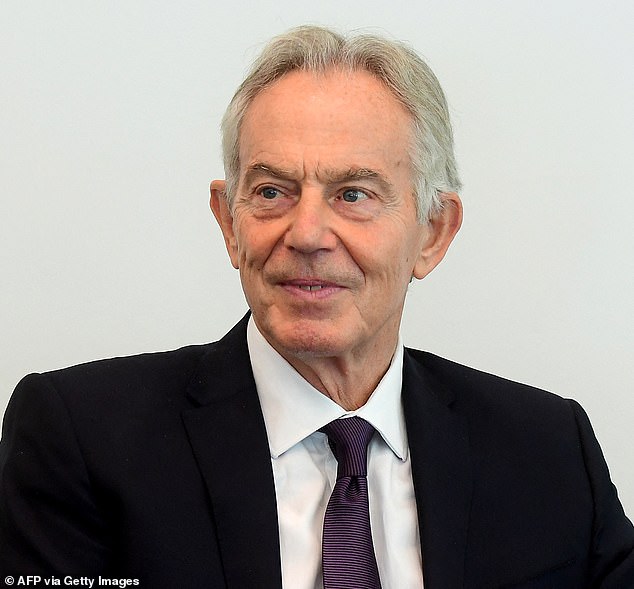
The Tony Blair Institute (TBI) has suggested that the size of your state pension could be determined by your life expectancy at retirement
The TBI report says retirees wouldn’t be rewarded with a bigger retirement income for excessive drinking and smoking and other unhealthy behaviours that curb life expectancy. But the mind boggles how that would be policed.
And that’s not even the most out-there bit of the TBI proposals.
The state pension would be replaced altogether with a so-called Lifespan Fund, some of which you could access during your working life, for example if you lose your job, start a business, retrain or look after loved ones.
The argument here is that the state pension was designed around an old life model of education-work-retirement, which no longer exists.
We need an updated system to accommodate the new complexities of modern life. The days of a job for life are long over and times of unemployment and retraining are inevitable, especially as AI disrupts work as we know it.
The state should step in here to give people a helping hand, not just at retirement, the TBI argues.
For some, accessing a portion of their entitlement early could be invaluable – maybe even the making of them. But there’d likely be just as many workers who, for example, use theirs to set up a business that does not take off and end up with a lower state income in retirement as a result.
The TBI proposal may be fairer than the current system, where those with a higher life expectancy get far more from the state pension pot than those with a lower one. But it is a cautionary tale in what can happen when you attempt to fix it.
Attempts at fairness requires nuance, nuance creates endless complexity (and complexity can usually be gamed). Before you know it, the current crude, blunt – but reasonably simple – system doesn’t look so bad after all.
Although the TBI proposals may not be the answer, neither is doing nothing.
The state pension bill is rising unsustainably – Britain has 12.6 million pensioners today, but this will rise to 19 million by 2070.
If unchanged, the state pension will cost an extra £85 billion a year in today’s terms. That’s a lot to put on the shoulders of future generations of workers who will be paying for it – who will be burdened enough with student loans, taxes, and probably a changing and precarious world of work. The cost is likely to need curbing – the question is who will take the hit.
It’s almost inevitable that the triple lock will be weakened first. This currently ensures that the state pension rises every year by the highest of inflation, average wage growth or 2.5 per cent.
The TBI proposes that the largest political parties work together to ditch the commitment at the next election, and link state pension rises to earnings instead.
But even that may not be enough to make the state pension affordable. One option often put forward is to raise the state pension age again. But that would disproportionately hurt those in poor health or in strenuous jobs who cannot work for longer and face a shorter retirement as it is.
A second option is to means-test it so those with savings and other assets would get less.
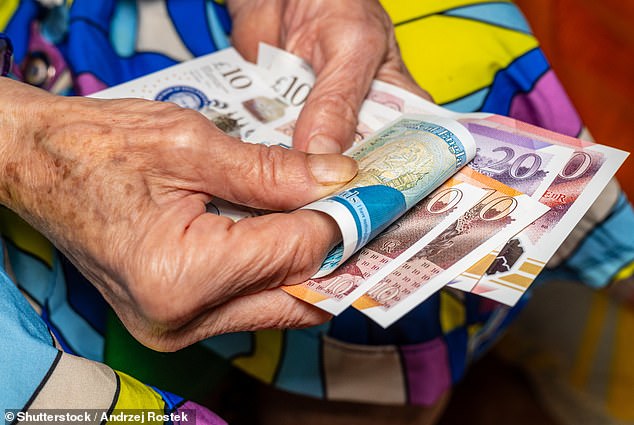
‘It will be those who have worked to put aside some savings for retirement, or who are in good health, who are most likely to see their entitlement watered down,’ writes Rachel Rickard Straus
And the third is the Tony Blair option – those who are healthiest get a lower monthly amount because they’re likely to live and claim their state pension for the longest and so currently get more in the long run.
Whichever option future Governments go for, one inevitable truth emerges.
It won’t be the richest who suffer the most, as for them the state pension is nice to have but not what stands between them and old-age poverty.
It won’t be the poorest, because the state pension is designed to be a safety net to protect those who need it most.
No, it will be those who have worked to put aside some savings for retirement, or who are in good health, who are most likely to see their entitlement watered down.
If that might be you, it’s worth thinking about that now. If the state pension as it currently stands no longer exists when you reach retirement, and you didn’t receive as much as current retirees do, how would you manage?
Better to prepare a little now, if you can.
Big honour for Mail writer Jeff
Jeff Prestridge was last week recognised for his outstanding work in the Daily Mail and Mail on Sunday. He was named Financial Journalist of the Year at The City of London Wealth Management Awards, held at the Guildhall in London. Judges praised his ‘clear, authoritative, consumer-focused financial journalism that makes complex issues accessible while holding institutions to account for millions of readers’.