This article is taken from the March 2026 issue of The Critic. To get the full magazine why not subscribe? Get five issues for just £25.
The Binge is a hilarious name for a true crime podcast network. It is like calling a restaurant “The Gorge” — or, indeed, a brand of vodka “The Binge”.
In The Crimes of Margo Freshwater, a new series from The Binge, we are introduced to what seems like a fascinating story. Margo Freshwater, a young Ohioan woman, was convicted for her part in a 1966 murder spree. Then, in 1970, she escaped from prison and disappeared. Interesting!
Alas, instead of teasing out what is interesting in strange stories, a lot of podcasts lean on their sheer strangeness. If you are indeed binging on alcohol, the quality of the drinks is almost irrelevant. All you really care about is the alcohol. Similarly, if you’re binging on true crime podcasts, I suppose all you really care about are the crimes.
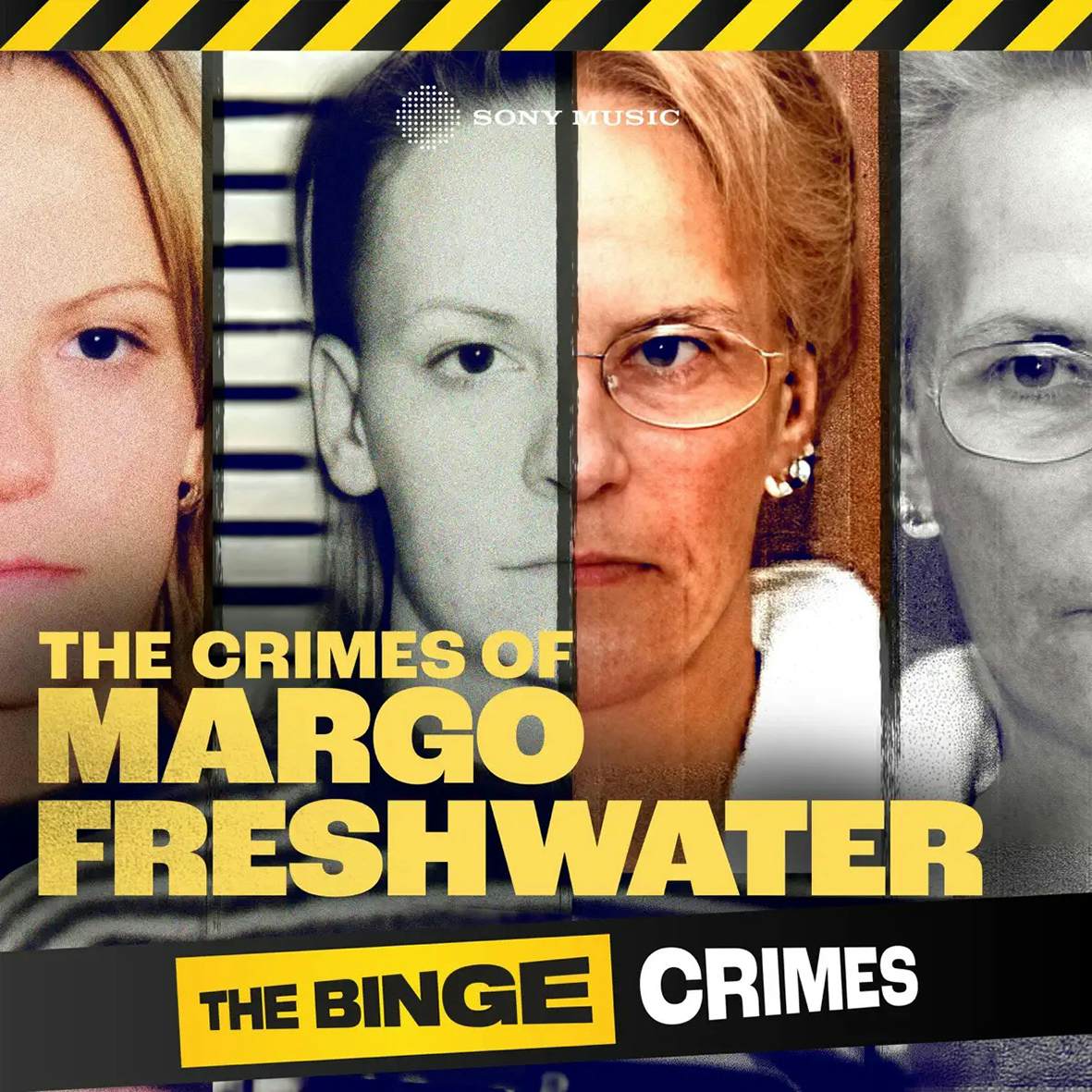
The Crimes of Margo Freshwater has great source material, but it could have done with a bit of a rewrite. For example, a podcast has to be evocative for listeners to “see” what is happening. The Crimes of Margo Freshwater tries to enlist our help, but in a rather clumsy way.
“Everyone’s met a guy like this,” says the narrator: “Short, intense, brown hair, blue eyes … ” Wait, have I actually met a guy like this? “An unremarkable bodega … You can kind of picture this place in your head.” Can I?
The narrator is also overkeen on presenting herself as quirky. “Even though I’m a heavily tattooed millennial,” she says, explaining how she met Margo Freshwater, “she trusted me.” A heavily tattooed millennial? Goodness me! Now I’ve heard everything.
But she’s trying her best. She is nothing if not enthusiastic, and you’ll never catch this critic saying that there is an excess of enthusiasm in the world. The problem is that the podcast has been made to be binged. It’s for people who are just a bit too keen on crime. “He told me he would get me a train ticket to Ohio,” says Freshwater, recalling one grim episode from her escape, “but I had to let him have his way with me … ”
An enthusiastic male voice butts in. “Can’t get enough of ‘The Crimes of Margo Freshwater’?” Yes, apparently the best time to advertise a newsletter to us is just as we have learned about an instance of semi-coerced sex.
As you might have guessed, Freshwater was re-captured, after years of living under a false identity. She speaks for the podcast, which becomes far more compelling when she appears — and she sounds like a serious and sober woman. When she chokes up remembering the death of her husband — who she married on the run and who apparently knew nothing about her double life — it is genuinely sad.
Freshwater, who has been released from prison, argues that she was being controlled by her unhinged partner during her crimes. This sounds very possible. He was much older — and he was very clearly a psycho. But I still wonder how tough the questioning of the creators was. They reference her consistent narrative, for example, but she had a pretty consistent narrative about not being Freshwater, too.
Don’t get me wrong: I’m not saying that she was guilty. But if the series were a touch more open to ambiguity, and a little less attached to the narrative clarity that makes for easy binging, I would have been more and not less convinced. Still, that she has built such a good family life for herself makes it difficult to regret her flight from what may or may not have been justice. I just worry that the desire to “binge” podcasts means that the subtle flavours of crime are being neglected.
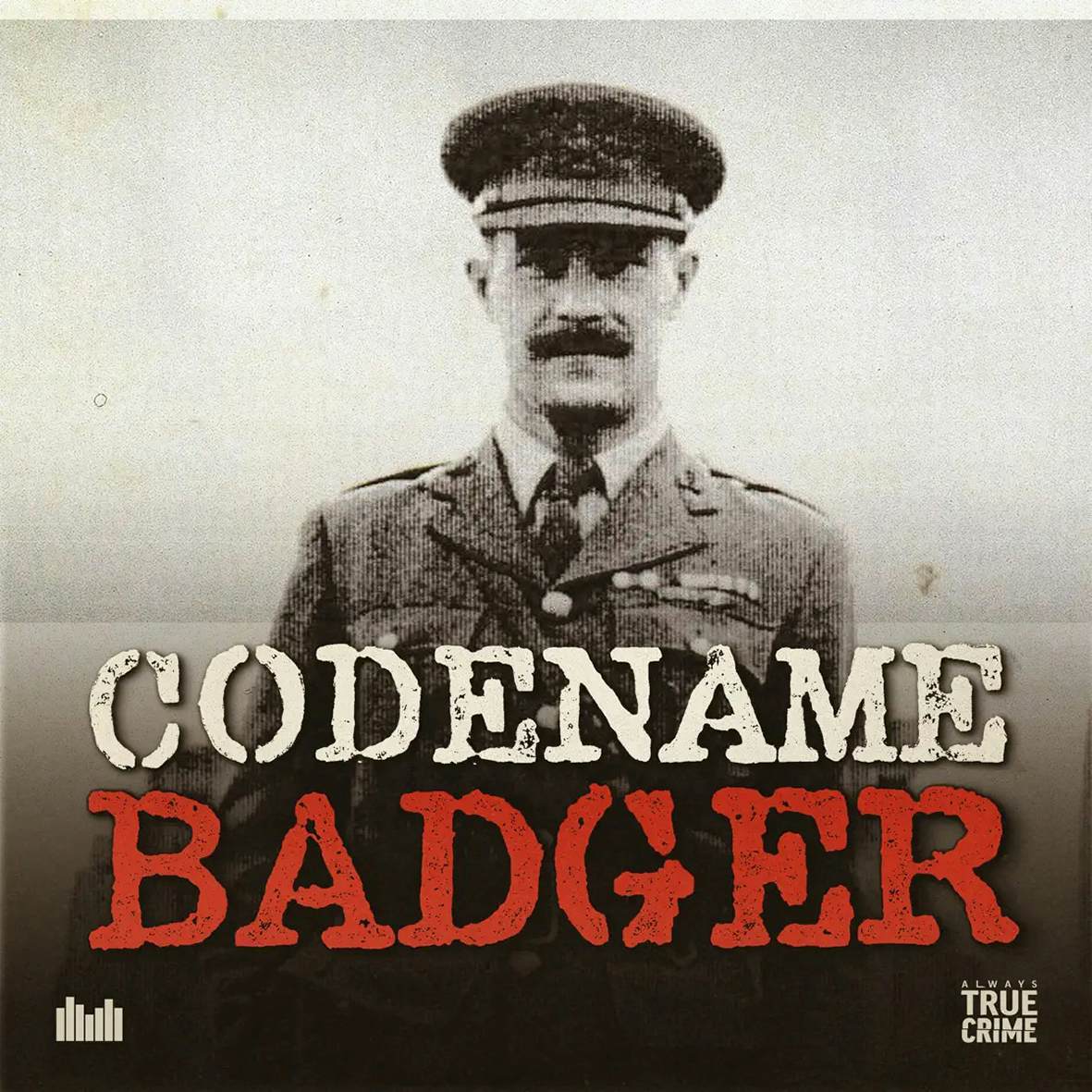
Codename Badger, from the journalists Eugene Henderson and Andy Clark, is about a sinister fraudster who claimed to have been a successful soldier and spy.
Claiming to have been a spy is a clever wheeze for a conman. After all, in a sense you are working undercover — just in a more pathetic and sordid sense than you are claiming. Besides, you have a good excuse for much of your life being shrouded in mystery.
Still, John Cottell was a truly shameless figure. He looked like Captain Mainwaring but made Captain Mainwaring seem as heroic as Field Marshal Montgomery. Cottell claimed to have seen human experimentation in Buchenwald. He claimed to have eluded capture dressed as a nun. He claimed to have inspired John Le Carré’s George Smiley. I’m surprised that he didn’t take credit for inspiring James Bond.
Worst of all, he ingratiated himself with a grieving widow by claiming to have been her dead husband’s friend — talking her into paying him for secret missions. Codename Badger lets us hear John in his own words — droning on about his non-existent heroics. He sounds preposterous, but we know he is a liar. What would we swallow if it came to us in the right packaging?
Codename Badger is rightly sober as well as morbidly fascinating. We hear from the children of the widow that he had swindled — all of whom are still justifiably bitter about the old crook. It is good to be reminded of the consequences of lies. Plus, the creepiness of hearing Cottell ramble on means that there is no temptation to binge.