DOCTORS were left baffled by the “biologically implausible” case of a woman who started sneezing 1-inch “worms” out of her nose.
The 58-year-old lived on a Greek Island and worked outdoors, next to a field of grazing sheep.
“It was September, during hot and dry weather, and she noticed numerous flies swarming around her face,” researchers from the Agricultural University of Athens wrote in a case report.
A week later, she developed a pain in the centre of her face that got worse and worse.
Two weeks later, she also developed a severe cough.
But she didn’t seek medical help until she sneezed on October 15 – and worms came spilling out of her nose.


The woman had a total of 10 insects – in various stages of development – and one egg surgically removed from her sinuses.
She also had a “severely deviated nasal septum” as a result of being “inoculated with a large larval burden” – meaning a number of worms were in the process of hatching in her nose.
The woman – whose case was detailed in a report published in Emerging Infectious Diseases – was treated with nasal decongestants and thankfully made “a complete recovery”.
But doctors were left baffled as to how the worms ended up in her nose in the first place – and why they were in there for so long.
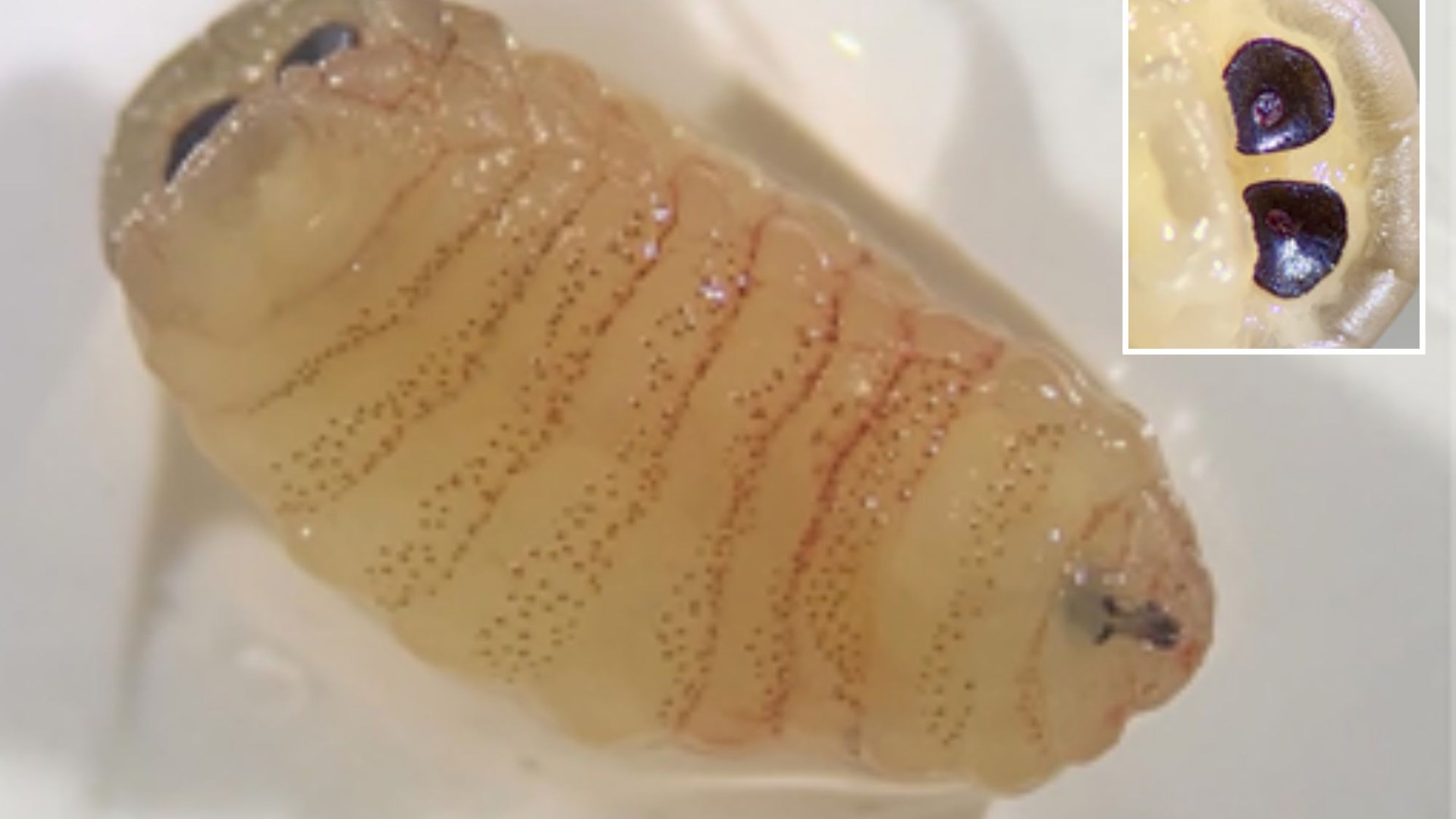
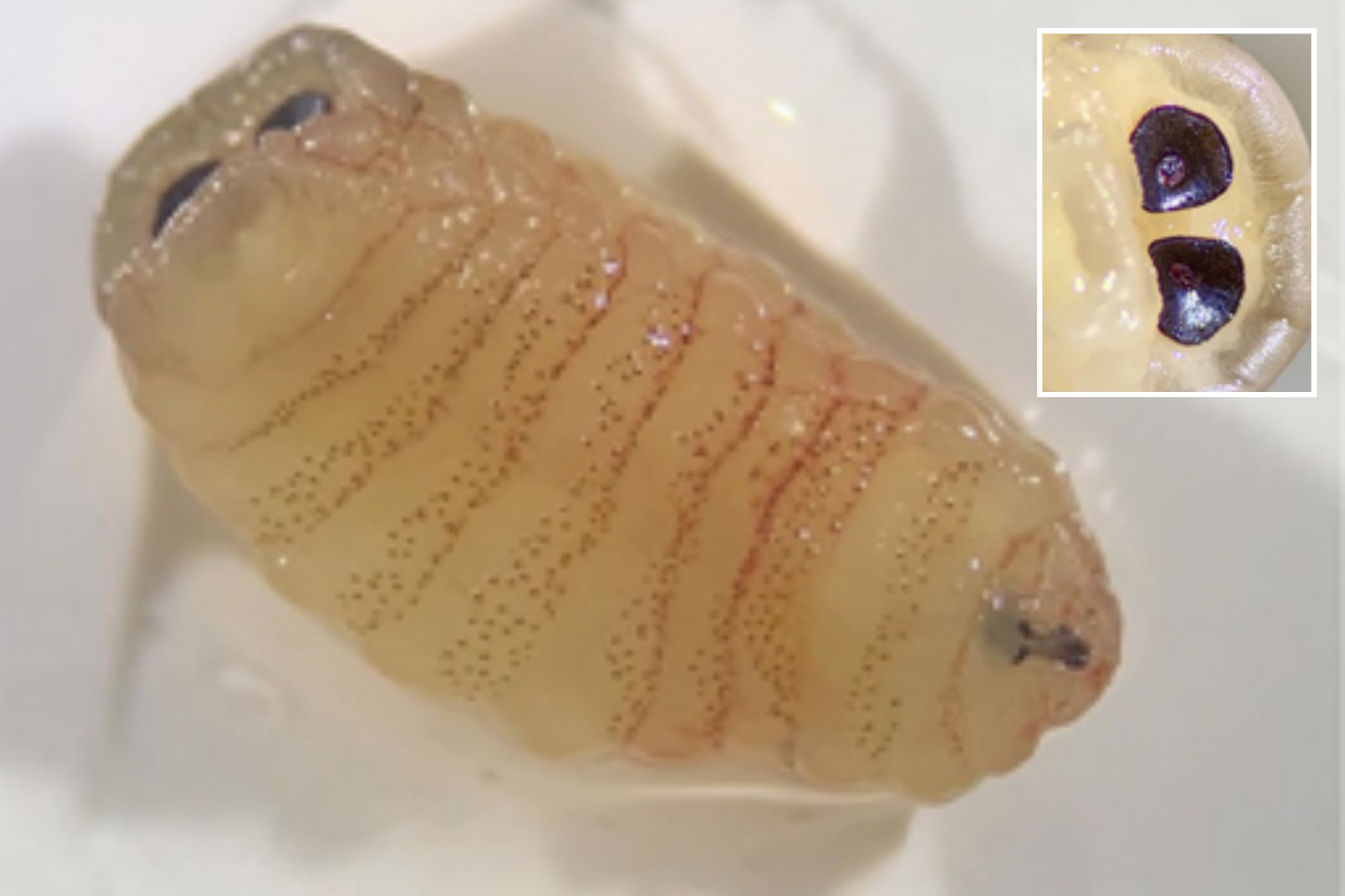
After removing the insects from her sinuses, they were able to closely examine two of them, as well as the pupa, or egg.
One larva was pale yellow and about 0.6 inches long, while the other was light brown and 0.8 inches long.
Meanwhile, the still developing worm was black and wrinkled.
The wormlike creatures were identified as larvae of the sheep bot fly, also known as Oestrus ovis.
This is a parasite “widespread in hot and dry regions, including countries bordering the Mediterranean Sea”, according to the report authors.
It’s typically found in the nasal passages and sinuses of sheep and goats.
The woman did work near a field of grazing sheep – but the report noted that none of the woman’s co-workers reported similar symptoms.
It’s rare for sheep bot flies to infect humans, and even rarer for them to burrow into someone’s nose.
When infection does occur, it’s usually in the eyes, presenting as “acute catarrhal conjunctivitis”.
Patients tend to feel like they’ve got a “foreign body” in their eye.
“The patient we report had a severely deviated nasal septum and appears to have been inoculated with a large larval burden,” researchers wrote.
It used to be assumed that O. ovis couldn’t develop for very long in humans, making it to only the first larval stage, known as L1.
But in recent cases, older larvae, including L2 and L3, have been identified, the report authors wrote.
Pupation, the point at which larvae mature into “teenagers,” comes after the L3 stage.
They reckoned that the flies had got trapped in the woman’s nasal passages, due to their shape and the large number of larvae in there.
This allowed them to develop to pupation.
When infecting sheep and goats, adult female O. ovis deposit larvae in and around the host animals’ nostrils.
The larvae then travel into the nasal passages and sinuses, where they may mature for months before coming out of the nostrils.
In some cases, L3 larvae can get stuck in the nasal passages of their host animals, but they don’t typically pupate at that point.
Instead, they usually dry up, liquefy or calcify, and their remains can sometimes trigger secondary bacterial infections.
The maggots die because the sinuses don’t provide a favourable environment for them to enter the pupal stage.
As such, “pupation of O. ovis larvae within any mammalian host is considered biologically implausible,” the authors noted.
But this is indeed what happened to the 58-year-old patient.
The authors suggest that some “unidentified anatomic or physiologic factors” must have allowed the flies to develop to the stage they did.
Alternatively, the critters may have adapted to be able to complete their life cycle in humans.
“In either scenario, additional cases and data are needed to understand this phenomenon, but clinicians should be aware of the potential for human bot fly infections in endemic areas,” they concluded.