Scroll through TikTok and you’ll quickly realise there’s one hair colour that’s got celebs and influencers in a chokehold: ash brown.
It’s that smoky brunette shade popularised by Dua Lipa and Hailey Bieber, with cool, greyish undertones and a matte finish giving a very 2026 vibe.
And it’s not just A-listers that are falling head (well, hair) over feet for the trend.
According to Annabelle Taurua, beauty expert at Fresha, it’s the single most-requested hair colour in salons right now.
It’s easy to see why: on Instagram, the shade’s lack of brassiness and striking, matte finish make it look uber expensive. However, according to Taurua, the real-life results are very different.
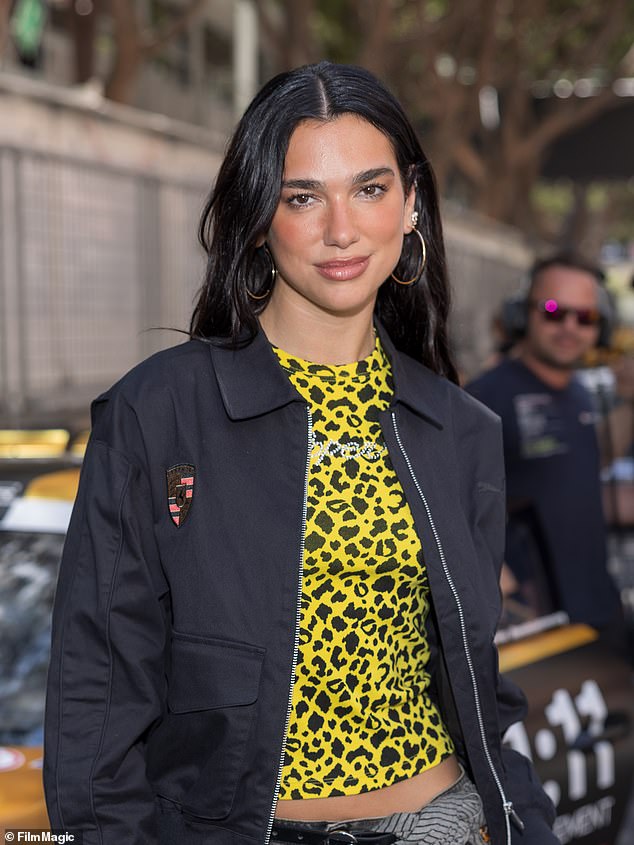
The issue comes down to how the colour interacts with light. ‘Ash tones absorb light rather than reflect it, so the upshot is a colour that reads as flat, sometimes outright dull, in real life. Not quite what the transformation video you used as inspiration promised,’ she says.
Unlike warmer shades – golds, coppers and caramels – which bounce light and create natural shine, ash tones do the opposite. So while warm hair reads as glossy and full of movement even under the harsh fluorescents of your office, cool-toned hair often looks flatter and dull.
That doesn’t mean the shade won’t suit anyone – but it does mean it’s far less universal than TikTok suggests.
‘It is not a hard and fast rule,’ Taurua says, ‘but in general those who are mostly cool-toned in their complexion will find ash shades more forgiving than those with warmer skin.
‘For anyone with golden or olive undertones, a straight ash brown applied root to the tip can leave you looking washed out,’ Taurua explains. In other words, if your skin leans warm, copying that viral colour is a quickfire way to look like you’re recovering from a sickness bug.
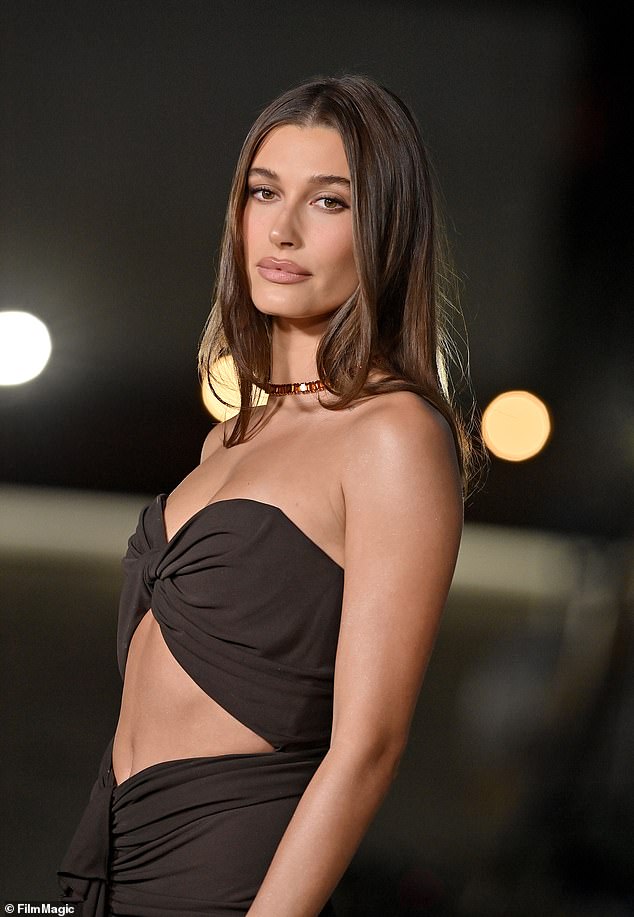
The biggest mistake people make, however, isn’t necessarily choosing ash brown, but how they ask for it. ‘What people think is one shade over a full-head is usually three or four working together,’ Taurua explains. ‘That combination is what creates movement. If you want ash brown, the worst thing you can do is apply one shade all over. You need variation,’ she says. That flat, one-tone finish is what often leads to that dull, lifeless look once you’re out of the salon and into normal lighting.
So what should you ask for instead? According to Taurua, rather than opting for a block colour, adding highlights, lowlights or softer face-framing pieces can break up the tone and bring back the movement that filters create artificially. It’s also how celebrities actually wear the look: what appears to be one shade on stars like Dua Lipa and Lily-Rose Depp is usually a blend of tones designed to stop the colour from washing them out.
Ultimately, the key (as with pretty much everything) is not taking TikTok’s word as final. ‘Use a good colourist,’ Taurua advises, ‘who will look at your skin tone, your natural base colour and the light you actually live in before deciding how to formulate that ash brown. You should make the right choice based on your complexion, not on whatever is trending on your feed.’