Shadow Chancellor Mel Stride has doubled down on his claim that stamp duty should be abolished in order to unlock a ‘bunged up’ property market.
Home buyers must pay stamp duty when they purchase a property and the tax can add thousands – or tens of thousands – to moving costs.
On a £500,000 home, the stamp duty bill is £15,000. On an £800,000 purchase, it is £30,000.
In an upcoming episode of The Property Exchange podcast with estate agency Winkworth, Stride said taxes which do the most economic damage were ‘transactional taxes’.
‘Stamp duty slows down transactions and is bunging up the housing market’, Stride said.
He adds stamp duty costs mean many young people cannot get on the housing ladder as easily as they should do, in part as they have to get a sizeable lump sum together to cover stamp duty.
First-time buyers have a reduced bill on a purchase up to £500,000 and are totally exempt under £300,000.
‘Economically, it means people are less likely to be able to move from where they are to where work is, so there is an impact on the labour market’, Stride added.
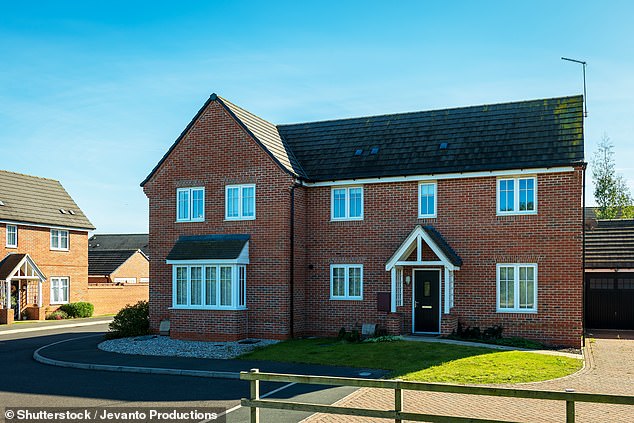
Costly: Home buyers must pay stamp duty when they purchase a property and the tax can add thousands to their moving bills
Stride said the burden of stamp duty also meant households were less likely to downsize and free up supply in the market.
He said: ‘If you add all those things up, you end up with a tax that is really doing some economic damage.’
The Institute for Fiscal Studies has previously described stamp duty as ‘one of the most economically damaging taxes’.
In 2024, the think-tank said stamp duty ‘gums up the housing market, keeps people who don’t need them in houses that are too big for them, thus reducing the supply available to growing families; and it serves to reduce labour mobility.’
The Conservatives have vowed to abolish stamp duty for all primary residences.
‘If you want to get taxes down, stamp duty is one of the taxes you have to start with’, Stride said in the podcast.
Home buyers and first-time buyers were hit by a stamp duty rise from 1 April 2025, as Labour opted not to extend a tax break in place since 2022.
The amount of stamp duty handed over by first-time buyers has more than quadrupled since a holiday from the tax ended, research published last month revealed.
Those buying a starter home paid some £408million in stamp duty land tax since April 2025, up from just £101million in the previous year.
The Treasury has raked in more than half of the stamp duty paid by first-time buyers from just one region, according to property portal Rightmove.
It analysed the number of zero to two bedroom properties sold in England to calculate the amount of stamp duty on starter homes raked in by the Exchequer.
Stamp duty is payable by those who purchase a property over a certain threshold.
The thresholds at which stamp duty start to be payable have not risen permanently since they were first introduced in 2017.
But, buyers had enjoyed lower tax bills since autumn 2022, when the threshold at which stamp duty is payable was lifted.
During the lower-rate period, stamp duty wasn’t payable on the first £250,000 of a property for most homeowners in England, but this has now been returned to £125,000. There are varying rates for each chunk of your property’s value.
But first-time buyers have a different rate. For them, the threshold was lowered from £425,000 to £300,000 in April 2025. Anything over this is taxed at 5 per cent.