How much bad news can Britain take? Every day brings another tranche of bleak headlines about sky-high taxes, spiralling energy costs, a flatlining economy and now rising inflation. This week, it jumped to 3.3 per cent in the year to March.
And things are only going to get worse. The Chancellor, Rachel Reeves, brazenly blames it all on Donald Trump’s war with Iran, but the reality is that Downing Street, not the White House, is responsible for almost all the shocking problems now overwhelming this country.
Throughout a career spanning more than 60 years, I’ve always been proud that the UK is so admired around the world, and nowhere more so than in Italy, the country of my father’s birth.
But that admiration has gradually dissipated. Now we are regarded more with pity than respect. The UK is no longer seen as the best place in the world to do business, let alone to make a home. Far from it: the prevalent view is now a negative one.
With the abolition of tax advantages for non-domiciled residents, the attraction of Britain as a place to live is evaporating. Many wealthy people have left, and most of those who remain are doing so only because their children are at school here. As soon as they can, they’ll be off, and they won’t be replaced.
Just as Labour’s punitive tax regime in the 1960s and 1970s caused a ‘brain drain’, with the brightest and best heading abroad, young people with good qualifications are now going overseas.
They simply don’t see an encouraging future for themselves here. And that’s disastrous for all of us.
The causes of Britain’s decline are many and varied but it is rooted in Labour’s catastrophic tax policy, which has pushed the burden of taxation to a peacetime high – heading towards 42.1 per cent of our GDP by 2030, by far the worst situation since the end of the Second World War.
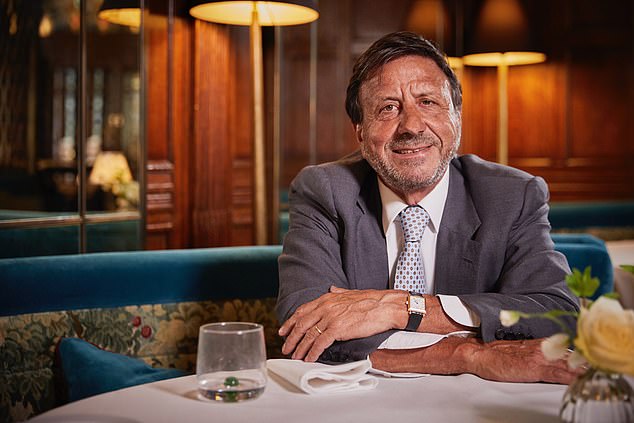
Sir Rocco Forte, a leading hotelier, thinks the UK is no longer the best place for doing business
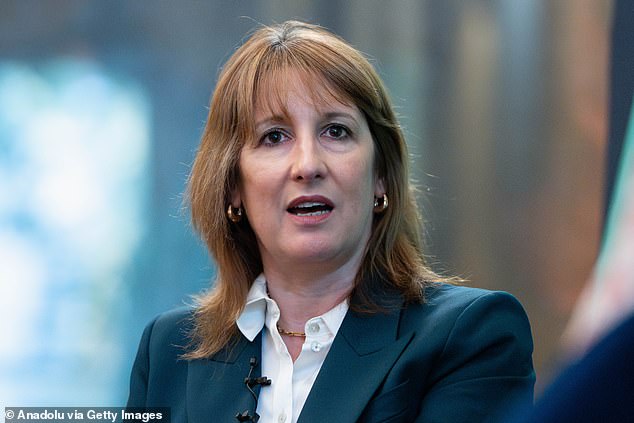
Rachel Reeves has imposed an extra £130billion in taxes since becoming Chancellor in 2024
The brunt of this is borne by small businesses and families. By the start of the next decade, according to IMF projections, Labour will have imposed an extra £130billion in taxes since taking power in 2024. That equates to £4,500 more per household. I defy anyone to say they’re getting value for money.
Taxes are rising three times faster than in France, almost four times faster than in Germany and five times faster than in the US.
Despite this, our national debt is still rising. According to the Office for Budget Responsibility (OBR), between 10p and 11p in every tax pound goes on servicing the debt – that is, paying the interest. The annual bill is up to £125billion and has risen more than 10 per cent in the past year thanks to inflation and increased interest levels.
That’s more than we spend on education, and more than half our health budget. Most shocking of all, it is more than double the £60billion defence budget.
A country that spends twice as much on interest payments as on the safety of its own existence is self-evidently in deep trouble.
Ms Reeves seems to think she can keep squeezing firms and individuals for more tax. She cannot. It isn’t just a case of how voters will react: the economy is close to buckling.
Her taxes are discouraging people from working. By keeping thresholds at the same levels, she ensures more taxpayers are sucked into the upper brackets each year, a process known as fiscal drag.
Anyone can see this is a disincentive to enterprise and hard work. The OBR phrases it in the language of the Civil Service: ‘The higher level of the tax take increases the risk that incentives within the tax system distort or constrain economic activity by more than expected.’ In other words, who wants to work long hours just so they can give more to the taxman?
This iniquitous system of ‘stealth tax’ doesn’t affect only higher earners. If thresholds had not been frozen, by 2030 low-paid workers would have been taking home £17,440 before they started to pay income tax at 20 per cent.
But thanks to Ms Reeves, that basic level has remained far lower, at £12,570 – meaning people earning well below the national average will pay £974 extra in tax annually. How Labour can claim they are not imposing additional taxes on working people, I cannot understand.
Workers in the hotel industry, as in many others, have also been hit by the rise in the minimum wage and increases in National Insurance. The National Institute of Economic and Social Research says the cost of hiring young and part-time staff has risen by more than 60 per cent since Labour took power.
That is not sustainable. Firms can’t afford to employ young people at the same rate they pay to those with more experience. But without youth coming through we will very quickly have a shortage of workers who really do have experience.
My hotels can weather the crisis better than most because we are at the upper end of the market and pay higher wages. But my industry is under exceptional pressure. Business rates, which have already rocketed, are due to increase by an average of 115 per cent for hotels over the next three years. Some are facing a 300 per cent rise.
We need real reform to level the playing field between online companies – which pay little or nothing in business rates – and bricks and mortar ones, which bear the brunt.
Regional mayors have also been given powers to impose overnight visitor levies on hotels and other accommodation such as B&Bs. This surcharge, set at 3 to 5 per cent, is an additional burden, making Britain a less competitive holiday destination.
VAT refunds for foreigners have also been scrapped – the so-called ‘tourist tax’. As other European countries allow non-EU visitors to reclaim VAT, this leaves us at a further disadvantage.
As if all this wasn’t bad enough, energy costs, already among the highest in the world, are soaring as the Iran war inflates oil and gas prices.
Little wonder that, according to an industry report last November, half of our estimated 10,000 hotels are at serious risk of insolvency or a major financial restructuring within the next three years.
More than a fifth are so-called ‘zombie companies’ – that is, they have a negative balance sheet. Their combined deficits are put at £2.6billion.
One of the factors driving hotel closures, and the demise of many other small businesses, is Labour’s decision to impose inheritance tax on family businesses.
Far from taxing family firms into oblivion, we should be thankful for every business that passes down the generations. It’s one of the best ways of ensuring expertise isn’t lost for ever when company owners retire or die.
But under legislation from the 2024 Autumn Budget, the Government takes 20 per cent of assets above a cap of £2.5million. This means many simply go under or get broken up to pay the tax bill.
Can it get worse? Oh yes, if Labour continues its self-destructive policy of rapprochement with Europe. That means more restrictive trading rules, even for firms not exporting to the Continent.
This is a Government known for U-turns. But we haven’t seen nearly enough of them. Britain’s best hope is if Labour reverses every one of its anti-business policies and rescinds all the taxes that target strivers.
The country cannot take this kind of punishment for much longer. We’re being crushed out of existence.
Sir Rocco Forte is a leading hotelier and chairman of Rocco Forte Hotels