For Earth Day in 2026, the celebratory events held April 22 numbered well over 10,000 worldwide. From cleanups to teach-ins to tree planting, such activities help boost enthusiasm for caring about the environment. Ultimately, however, it is during the other days of the year that follow-through can bring those good intentions to fruition.
Over decades of Earth Day celebrations, many individuals have found that a focus on environmental care in local communities can reap tangible civic and social benefits. A case in point is Philadelphia, where a long-standing project in urban greening has been linked to drops in crime. That success has led the neighboring city of Chester to trod the same path.
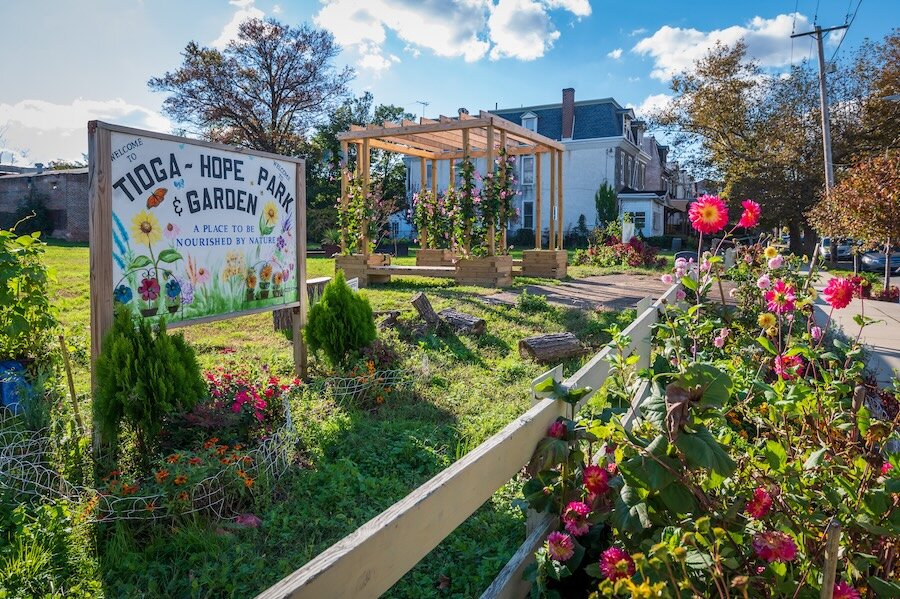
Philadelphia’s story began with green-thumbed activists from the Pennsylvania Horticultural Society seeking to recover good neighborliness, square foot by square foot. Working with local contractors and volunteers, the Society’s LandCare initiative cleaned up and greened nearly 12,000 derelict plots (or one-third of the city’s vacant land) since 2003. (Nationwide, nearly 7.4 million acres – or 15% – of land in American cities is considered vacant or abandoned.)
“It makes the blocks cleaner and nicer. People … start to put a little more effort into their own public spaces/curbs,” one resident told LandCare during a 2025 survey, which found that 47% of residents felt more connected to their neighbors and 59% felt safer.
Not only do these city dwellers feel safer, they are safer. A 2018 controlled study directly linked greened areas in Philadelphia to a 29.1% drop in gun violence and 21.9% drop in burglaries over time; another study found a reduction in residents’ self-reported depression or poor mental health.
This tracks with broader findings: In Flint, Michigan, cleaner, greener areas saw 40% fewer assaults and violent crimes over a five-year period. A comparative review of 301 of the largest cities in the United States found that greater green space was associated with lower violent crime in all but three cities, and lower property crime in all of them.
A 2025 study by the University of Illinois Urbana-Champaign across 3,100 counties found lower levels of fatal police shootings. “I was gobsmacked. … [The results] were very clear: the greener the county, the fewer the fatal shootings,” co-author William Sullivan told the news site Reasons to be Cheerful in early April.
This finding, he added, confirmed his earlier research: As cleaner, greener spaces encourage neighbors to venture outdoors more, connection and civic engagement increase – as does informal surveillance of neighborhood goings-on.
That spirit of neighborliness in the City of Brotherly Love was captured by one Philadelphian who told LandCare researchers, “Now, I get to hear the sounds from my childhood that were absent before: children giggling and playing outside.”