A new report has warned that liver disease is becoming a ‘silent epidemic’ across Europe, killing nearly 300,000 people a year – despite most cases being preventable.
The study, from the EASL–Lancet commission on liver health in Europe, says alcohol consumption, unhealthy diets, obesity and viral hepatitis remain the leading drivers of rising liver-related deaths across the region.
The commission claims that lifestyle changes could almost halve the burden of liver disease across 27 EU countries, plus the UK, Norway, Iceland and Switzerland, alongside policies such as alcohol taxes, improved screening and earlier diagnosis.
The commission estimates that liver disease is costing Europe – including the UK – around €55 billion a year in lost productivity and wider economic harm.
It comes amidst warnings from British health experts that liver disease is a growing public health concern.
According to the British Liver Trust, more than 11,000 people die from liver disease every year, equating to more than 31 deaths a day.
Death rates have increased fourfold over the past 50 years, the charity says – driven largely by rising alcohol misuse and increasing levels of obesity.
Once thought to be largely caused by heavy alcohol consumption, liver disease is now increasingly also linked to modern lifestyle factors such as poor diet, inactivity and metabolic illness, however.
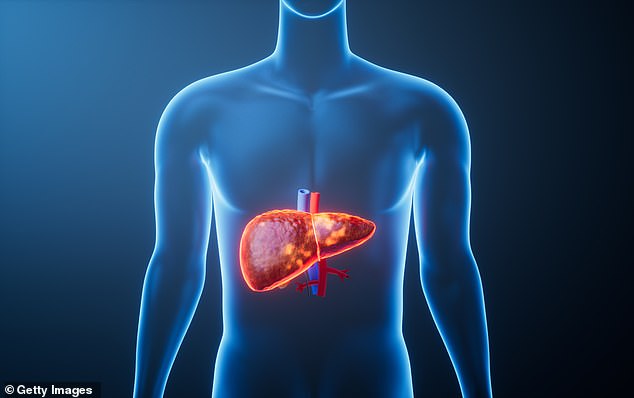
Once thought to be largely caused by heavy alcohol consumption, experts say liver disease is now increasingly linked to modern lifestyle factors such as poor diet
A growing number of cases are being seen in people who drink little or no alcohol.
This condition – known as metabolic dysfunction-associated steatotic liver disease (MASLD), formerly non-alcoholic fatty liver disease – is driven by obesity, type 2 diabetes and high blood pressure.
It often develops silently over many years with no obvious symptoms, meaning many people are unaware they have the condition until significant liver damage has already occurred.
If left untreated, fat builds up in the liver, leading to inflammation and scarring over time. In some cases, this progresses to cirrhosis – where healthy liver tissue is replaced by permanent scar tissue – as well as liver failure and liver cancer.
Experts also warn that MASLD is closely linked to metabolic syndrome, a cluster of conditions including excess body fat, high blood pressure and poor blood sugar control, which significantly increases the risk of heart attacks and strokes.
The commission warns that digital advertising and social media algorithms are increasingly exposing children and young people to alcohol and unhealthy food marketing, reinforcing behaviours linked to liver disease.
The authors of the commission say the findings highlight a preventable public health crisis that is continuing to grow across Europe.
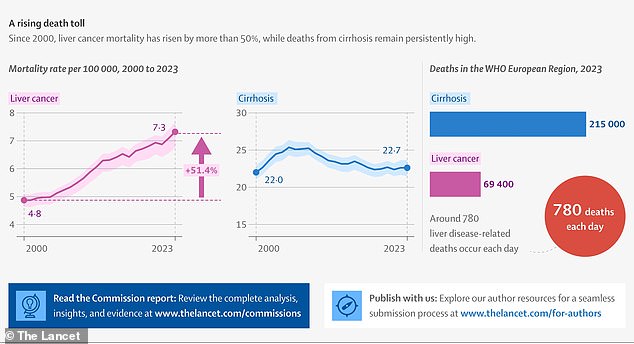
Liver cancer deaths have increased in the WHO European Region by more than 50 per cent since 2000, reaching 69,400 deaths in 2023
They argue that alcohol pricing policies, earlier diagnosis, expanded screening programmes and improved access to treatment could significantly reduce both illness and deaths.
Without urgent intervention, they warn, liver disease will continue to place growing pressure on health systems across Europe and beyond.
The British Liver Trust has strongly backed the commission’s call for tougher government action.
Vanessa Hebditch, director of policy at the British Liver Trust, said: ‘Without action, more lives will be lost to preventable liver disease. We cannot keep treating the consequences while ignoring the causes.’
She added: ‘This isn’t about a nanny state – it’s about fairness. Harmful products are cheap, heavily promoted and driving a growing liver disease crisis.’