Parliament has rejected assisted suicide—but the fight to revive it has already begun.
At long last the assisted suicide Bill lies dead, having run out of time in the House of Lords as this session of Parliament draws to a close. For some time it has been the inevitable end for this contentious piece of legislation: its proponents had publicly conceded as early as the beginning of February that it was doomed to fail. As with Scotland’s recent rejection of its own assisted suicide legislation the response from opponents has been one of relief, more than jubilation. Society’s most vulnerable people have been protected from abuse, thanks to the diligent and conscientious work of well over 100 members of the House of Lords, who stood steadfast against the vicious, well-funded attacks from assisted suicide fanatics. Medical professionals will not be compelled to do harm.
“Deeth shal be deed”, as Chaucer wrote, and one hopes that the death delivered to the assisted suicide Bill remains permanent. Unlike the Son of God, we have no wish for this legislation to be reborn post hoc, brought back to the House of Commons for another attempt at legalisation.
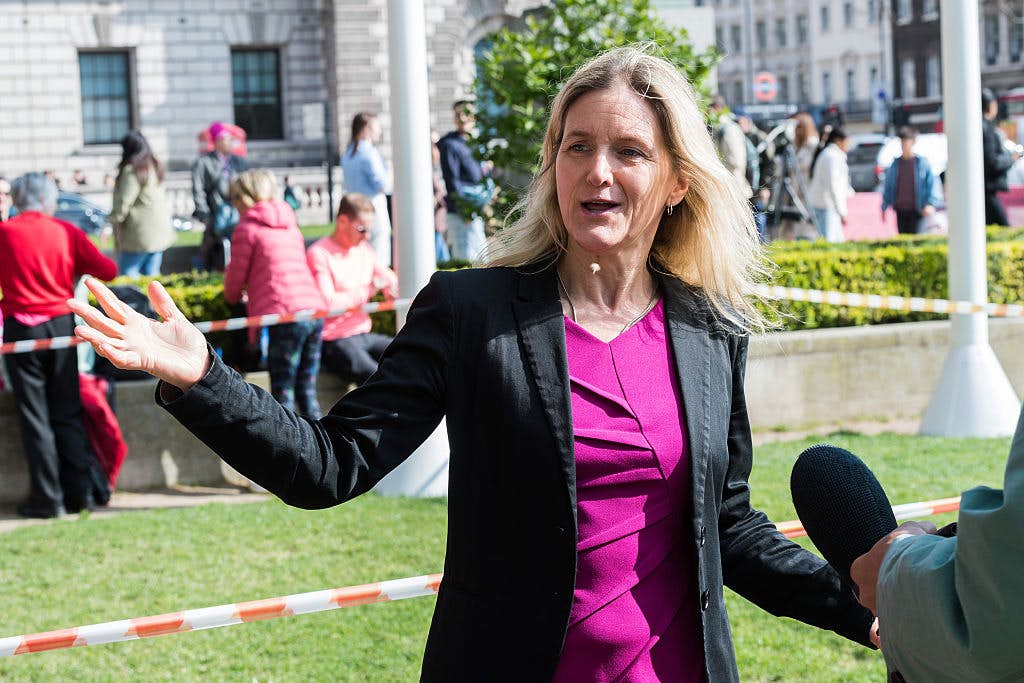
This is, however, precisely what the Bill’s supporters are aiming for. Immediately following the conclusion of the Committee Stage debate, shortly after 3PM on Friday, assisted suicide campaigners and parliamentarians held a press conference outlining what their next steps would be. Asked whether they would be bringing the Bill forward once more its sponsor, Kim Leadbeater, said, “There is appetite to do so.”
“This isn’t what democracy looks like,” she told the press. Au contraire. To people like Kim Leadbeater, democracy means getting precisely what they want, when they want it.
To people like Kim Leadbeater, democracy means getting precisely what they want, when they want it
The Bill fell, as many bills do, because the current session of Parliament is coming to an end. There is nothing strange or unusual about that; it happens to many bills each year, and has long been a cornerstone of how legislating in Parliament works. This could have been avoided had the assisted suicide Bill been a Government Bill. While it is generally accepted that all public bills — including Government bills — fall at the end of a session, it has become routine practice for the Government to table carry-over motions for its bills, allowing them to continue debating them in the next session.
But no. A Private Members’ Bill was the chosen vehicle for this legislation, so that it would not be beholden to the same level of scrutiny that Government bills are. There was no public consultation, no pre-legislative scrutiny, no Green Paper or White Paper. This attempt to avoid scrutiny of the legislation continued in the House of Commons, where many MPs voted the Bill through with the expectation that serious scrutiny would be given to it in the House of Lords. Even the assisted suicide campaign group Dignity in Dying lauded the “specialist expertise” of members of the House of Lords, who would deliver “high-quality scrutiny” to the Bill. And deliver they did.
Whether this is truly the end of this assisted suicide Bill has yet to be seen, however. The King will open the next session of Parliament on Wednesday, 13 May. The following week, on Thursday, 21 May, the next Private Members’ Bill ballot will be drawn. Twenty Members of Parliament will be given the choice to bring forward a bill of their choice; usually only the top seven of these will actually have the time in Parliament for their bills.
Staunch supporters of assisted suicide will be hoping to be drawn in the top seven at the ballot, and if they are, they may decide to bring forward the assisted suicide Bill again. Its supporters have argued that they will attempt to use the Parliament Acts to force the Bill through.
For this to happen, it would mean bringing an identical version of the assisted suicide Bill forward in the upcoming session of Parliament, which would have to be passed by the House of Commons and be subsequently rejected or timed out by the House of Lords, or that the Lords would insist on amendments which the Commons would not accept. The Speaker of the House of Commons must decide whether the specific conditions have been met, and, if so, the House must decide whether the Parliament Acts are to be used. Only then may they be invoked, sending the Bill for Royal Assent without the consent of the House of Lords.
The whole thing is incredibly unlikely, for many reasons. It is unlikely that someone who comes in the top seven in the Private Members’ Bill ballot would decide to bring forward an identical version of the assisted suicide Bill as their choice of legislation, given how toxic it has proven to be. Even if this did happen, it is unlikely that MPs would vote the Bill through; polling this week revealed that more MPs would not support the legislation if it returned to the Commons than would support it. The whole thing would be a colossal waste of Parliament’s time, as it already has been, costing the taxpayer yet more millions with nothing to show for it.
While the assisted suicide Bill is not yet dead, it is currently bleeding out in the gutter. For the sake of us all, we must hope that no one dares pick it up.