By the time you read this, Wendy Duffy will probably be dead, or in the final hours of her life at least. Although perfectly healthy and medically declared to be of sound mind, she made a decision to go to a Swiss euthanasia clinic and end her life.
Earlier this week the 56-year-old former care worker from the West Midlands finished putting her affairs in order, boarded a plane to Basel and flew off to her certain death, scheduled for today.
‘I can’t wait,’ she told the Daily Mail’s Jenny Johnston in a moving interview published yesterday.
Wendy didn’t want to live following the death of her only child four years ago; her son Marcus was just 23. Hungover after a night out, he had fallen asleep while eating a cheese and tomato sandwich she had prepared for him. In a heartbreaking freak accident, a halved cherry tomato got lodged in his windpipe and snuffed out his life.
Finding him with a ‘purple’ face, his mother, who had first aid training, gave him CPR but ultimately couldn’t save his life. In the terrible days that followed, she would sit by his side for hours in the funeral home.
‘I broke when I saw him in there. My boy, on a metal table. You can’t come back from that,’ she said.
The traumatic circumstances of the death itself, then the shattering bereavement followed by a sense of loss that won’t go away – one can only sympathise with the deep sorrow of her situation. Yet death walks among us all. Many parents have endured the agony of burying their own children but have somehow found the courage to go on, for the only way to cope with the unbearable is to bear it.
Couldn’t Wendy have hung on, waited for the day when a glimmer of sunshine crept into the grieving shadows of her soul once more, heralding the start of her own peace process? And that day would have come.
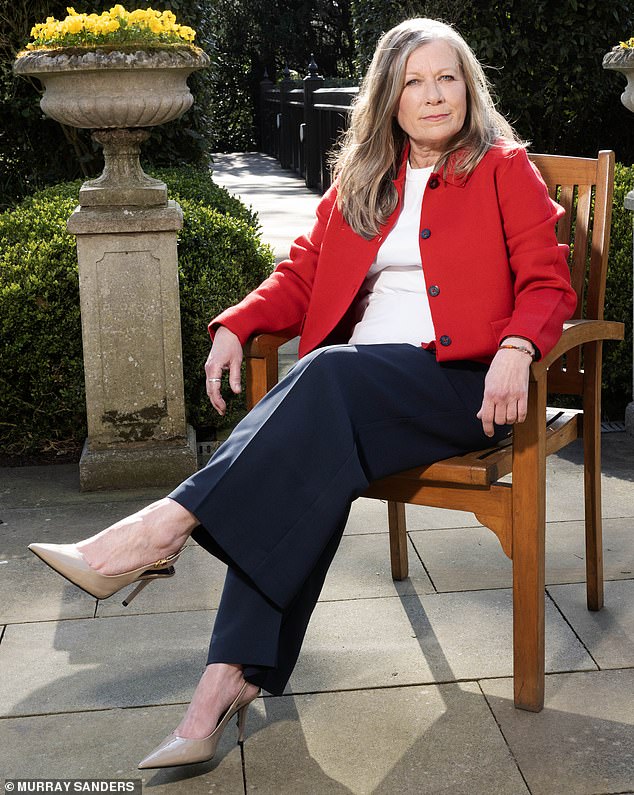
Wendy Duffy said she wishes assisted dying ‘was available in the UK’ as then she ‘wouldn’t have to go to Switzerland at all’
Yet even as I type these words I think, who is anyone to decide how much suffering and anguish another human being should endure? Where is the measuring stick with which to judge the correct emotional distance between the tolerable and the unendurable? It doesn’t exist – and nor should it.
Meanwhile, many of those who cannot walk or fully function through disablement, injury or chronic illness must look at Wendy Duffy in despair – and perhaps even with envy. She has suffered, yes, but she is in good health and has everything to live for, they may well cry.
She’s not facing a painful death from cancer or motor neurone disease, nor is stuck in a wheelchair or a bed. Can mental torture be just as excruciating as physical pain or incapacity? Miss Duffy certainly thought so. ‘My life, my choice,’ she told the Daily Mail. ‘I wish this was available in the UK, then I wouldn’t have to go to Switzerland at all.’
But it’s just not that simple, even in Switzerland. The famous Dignitas clinic refuses psychiatric-only cases with no physical illness, such as hers. She elected to end her life at Pegasos, a controversial suicide clinic which agreed to help her – for a £10,000 fee – and which has less stringent acceptance conditions than Dignitas.
While Wendy’s agony may be over, her elective death comes at a sensitive moment for those who back the assisted dying cause in the UK. The Terminally Ill Adults (End of Life) Bill is expected to fail in the House of Lords today, after running out of time following extensive amendments – there were 1,000 proposed changes, and much opposition.
The bill faced intense scrutiny and would have legalised assisted dying for terminally ill, mentally competent adults in England and Wales. Yet supporters do not see Wendy Duffy as a poster girl for their cause because she vividly represents the deepest fears of those who are against it.
Critics argue that if state-sanctioned suicide was allowed to go ahead, how soon would it be before the scope for applicants was widened? Some see her case as disturbing and unhelpful for those who suffer deeply, for her good health degrades their cause while corroding the debate. And should clinics really be offering this solution to those who only grieve, like Wendy Duffy?
In England there have been four major attempts to change the law to make assisted dying legal and none of them have succeeded. In Scotland last month the Assisted Dying for Terminally Ill Adults Bill also failed. Initially supported by most parties and 80 per cent of the Scottish public, it fell apart under scrutiny and one can see why.
The powerful but simplistic argument for individual choice hits the buffers when it meets the human impossibility of guaranteeing that no one at the end of their life will feel a degree of pressure to go before their time. In addition, there is the risk of coercion from family members and interested parties, not to mention the concerns of disabled rights groups, psychiatric professionals and many individual clinicians.
Assisted dying is fine in theory but in practice it is a complex nightmare – and how could any piece of legislation over such a divisive issue withstand the inevitable legal challenges that would come its way?
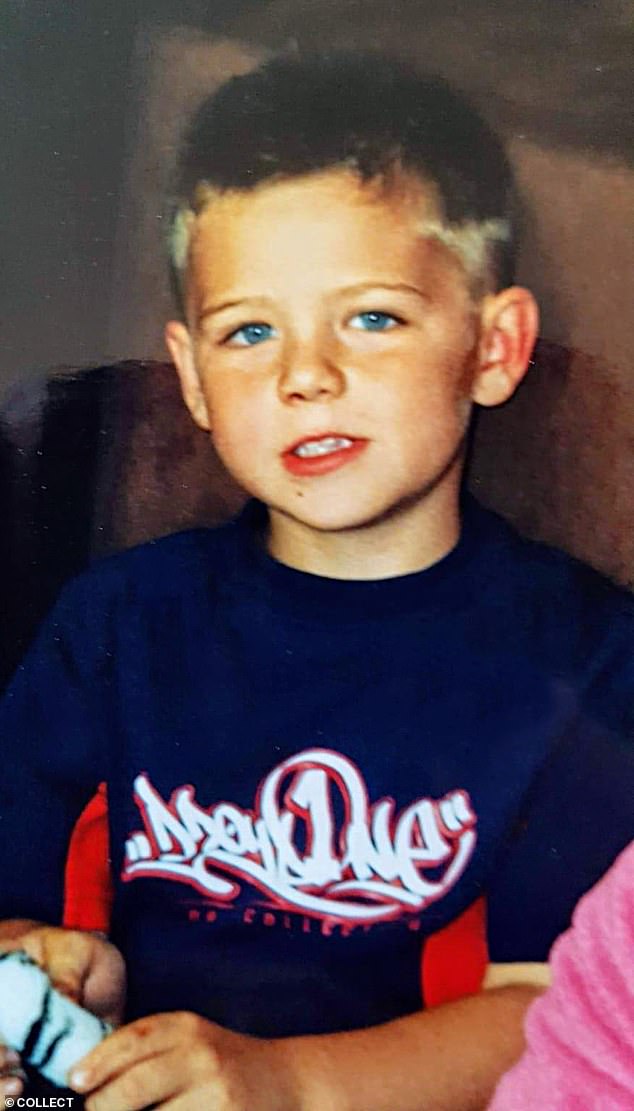
Wendy’s son Marcus was just 23 when he died in a heartbreaking freak accident after falling asleep following a night out
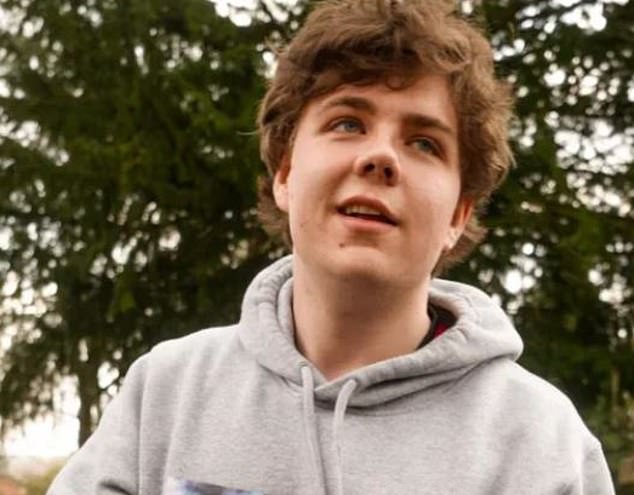
Wendy had struggled with infertility for years so when Marcus finally came along, he was a much-loved miracle baby
On both sides of the border, careful box-ticking safeguards were built into the respective bills. For example, the patient must be of sound mind, two physicians must agree that their condition is terminal, tick, tick, tick, boom. Yet those who worry about the slippery slope that introducing this bill into law would entail only have to look at other countries to see what the future holds.
The Netherlands was the first country to introduce euthanasia two decades ago and in the beginning the conditions were just as stringent. Yet today, Dutch nationals with mental health problems can request and are sometimes granted permission to be euthanised. Minors aged 16 or 17 can request euthanasia without parental consent, though parents must be consulted. And since 2023, the Netherlands government also permits the termination of terminally ill children between one and 12 years old if they have constant suffering and no hope of improvement – if parental consent is obtained.
Some Christian groups see this as the state-sponsored killing of minors, others as an act of deepest humanity.
Medical Assistance in Dying was legalised in Canada in 2016 but the original criteria has widened there, too. It now includes disabled people – some of whom have also claimed economic hardship as supporting factors in their choice of elective death.
In Spain last month, 25-year-old Noelia Castillo died by legally approved euthanasia. She was paralysed after a suicide attempt in 2022, finding herself unable to cope with life following a gang rape. Were the Spanish authorities wrong to grant her this act of mercy in a life broken by tragedy?
I think not, but once suicide starts to be blessed by the state, where does it stop? Particularly here in the UK, where human rights culture is deeply entrenched in all sections of society and celebration of the victim is dominant.
Even if the current Bill had been passed, Wendy Duffy would still not have been eligible – but what if she consulted human rights lawyers and went on to win her case? Closely followed by her brothers and sisters and friends perhaps suing the state for her unlawful death. One can see how it might all spool out into chaos, a death spiral in more ways than one.
However, none of this detracts from the bone-deep sadness of Miss Duffy’s own case, and her carefully considered decision to die because she cannot bear life without her son.
Consider that she had struggled with infertility for years and when Marcus finally came along, he was a much-loved miracle baby. Miss Duffy never married her son’s father; they were together for 13 years and split up when Marcus was four years old. Mother and son had a particularly strong bond; it was just the two of them against the world.
Making the agony even more piercing, she has perhaps tormented herself with the fact that it was she who made the sandwich that killed him; the domestic randomness of it all is utterly heartbreaking. What if she had quartered the tomatoes instead of halving them? What if she had come into the room five minutes earlier? What if, what if, what if, what if? It must have been like a drumbeat in her head, a torture she could not escape.
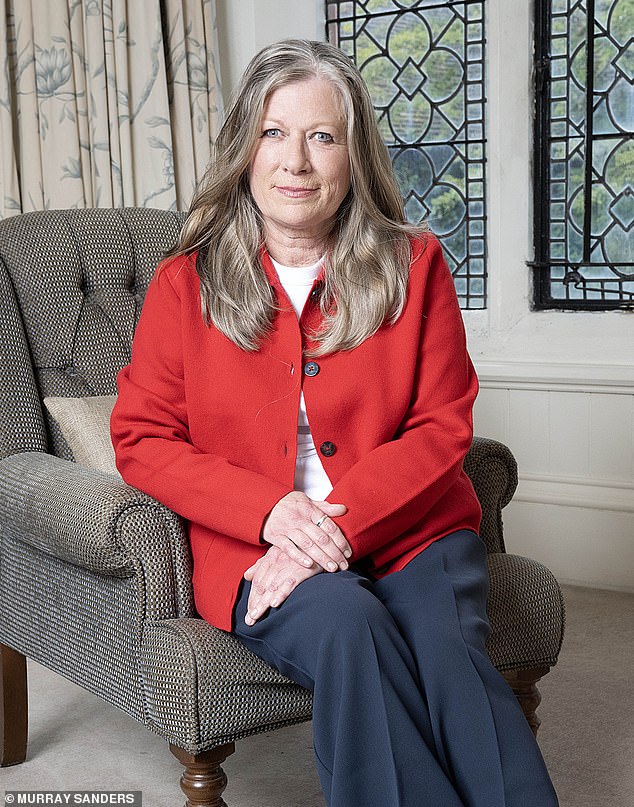
Until the end, Wendy has been sincere and calm in her belief that she wanted to die and she has made peace with herself
She had already tried to commit suicide with sleeping pills but ended up having her stomach pumped in hospital. Until the end, she has been sincere and calm in her belief that she wanted to die and, in this decision at least, she has made peace with herself.
Her brothers and sisters have come to reluctantly accept her decision: it was her belief that Marcus would understand, too.
At some point today, in a clinic in Switzerland, she will ask for the windows to be flung open to let her spirit fly free, for Lady Gaga to be playing as she pushes the pump to administer a lethal dose into her body. ‘I will die with a smile on my face,’ she said.
At least she has had the comfort of knowing that her pain would soon be over in a death foreseen. Most terminally ill adults in the UK continue to have no say over what will happen to them, denied the consolation of being in charge at the end – a tiny ship of solace in an ocean of pain and indignity.
And may I just say that the discrepancy between the value of life at the beginning and the end of the journey has always seemed curious and inequitable. Assisted dying is denied to the sick and the elderly while the government pushes through legislation to allow abortion up to birth and to decriminalise home abortions – but perhaps that is an argument for another day.
In the meantime, poor Wendy Duffy’s death raises more questions than it answers, but she has got what she wanted in the end. May she rest in peace.
Readers’ Comments
Probably the hardest, saddest read ever in this paper. Got choked up so many times. God bless you, I hope you find the peace you crave and I hope you meet back up with your boy.
Taric10
As a mother who buried her daughter, I completely understand why she is doing this. It never ever gets easier. The pain never goes. It gets exhausting to live with. I hope she gets to see her baby boy again.
emmiebelle, Australia
That is the saddest story. It’s that old saying that you have to walk a mile in someone else’s shoes. Being dead isn’t the answer though. There is joy and hope if you have the will to find it.
BumperOfficeAlley, UK
Please don’t do this. As a mum who also lost a child … it does get better. I’ve found love and two adorable stepsons who mean the world to me. Be here to keep the memory of your son and his legacy alive. I lost a dear friend through suicide and the impact on his family and friends is awful. Please don’t do it.
mum in the country, UK
My heart knows her pain because my oldest son died. Every day is a fresh hell with unimaginable, indescribable longing. It will be the same for the rest of my life … I’m here only by the grace of God and antidepressants. I wish her family the best.
SkyPye, US
In TEARS reading this but fully support her decision. Who are we to judge? She is in permanent pain since the loss of her beloved son. We just cannot physically see it. Her life and her choice.
Jackie Collie, UK
A truly heartbreaking interview. Huge respect to the author, such a brilliantly written article. Deserves to be nominated for an award. My prayers for the lady concerned, she has thought everything through and made her choice.
lynne5, UK
I lost a son at birth, it’s taken me most of my adult life to come to terms with. Had I lost a child I’d raised and loved? I don’t think I could bear it either. I wish this lady a peaceful journey.
MrsElizabethDarcy, UK
He was the great love of her life. She lost everything when she lost him. No one understands the bond between parent and only child. She is lost without him. Let her choose to be with him again. Safe flight sweet lady. He will be waiting for his mama, without a doubt. All the love to you and your cherished boy.
KrillCodViper
I lost my son to an RTA, I live because he cannot. The hurt never leaves.
mfb, UK
With Marcus’s tragic death a huge hole has been torn in her heart, that is so big it blots out everything else. You never stop loving a person you have lost. Or missing them. But life eventually begins to come into focus. Wendy clearly has a capacity to love others deeply … she is too precious to let go of.
SalmonAuthorDawn, UK
As a single mother to an adult child I totally get this. My child has been the beacon in my life since, as a teenager in the 1970s, I fought to get away from the church-run unmarried mothers’ home who were determined to take him away for adoption. My world doesn’t exist without him in it. It seems sad, but sometimes it’s not the letting go that hurts, it’s the holding on.
Jackie21, UK
This courageous and realistic, long-suffering lady has my total support. The only ‘sad’ thing about this is she is unable to die at a place of her choice, IN HER OWN COUNTRY, but in another, more compassionate than ours.
F1_God_Fan, UK
Four years is nothing following such unspeakable trauma. It’s impossible in the current agony to picture how different life could be in the future … a new unimaginably different life could occur.
Moondance21, UK
My aunt and uncle lost their only son, aged 13, in a horrific traffic accident many years ago … they gave their lives for the next 40-plus years to me, my sister and their other nieces and nephews. I hope we gave them a life worth living for.
HammerDB, UK
Better this way than having some poor motorist, train driver or any of the emergency workers be forced to deal with the alternative.
Always_question, UK
I also lost a son under tragic circumstances but I made a promise to myself that for the sake of the rest of my family and friends, I would never let grief define who I was. I put my memories of him in a ‘box’ in my brain and let them come out at night when I am on my own. During the day I live a normal healthy, active life … it can be done.
HoodieFactAbacus, UK