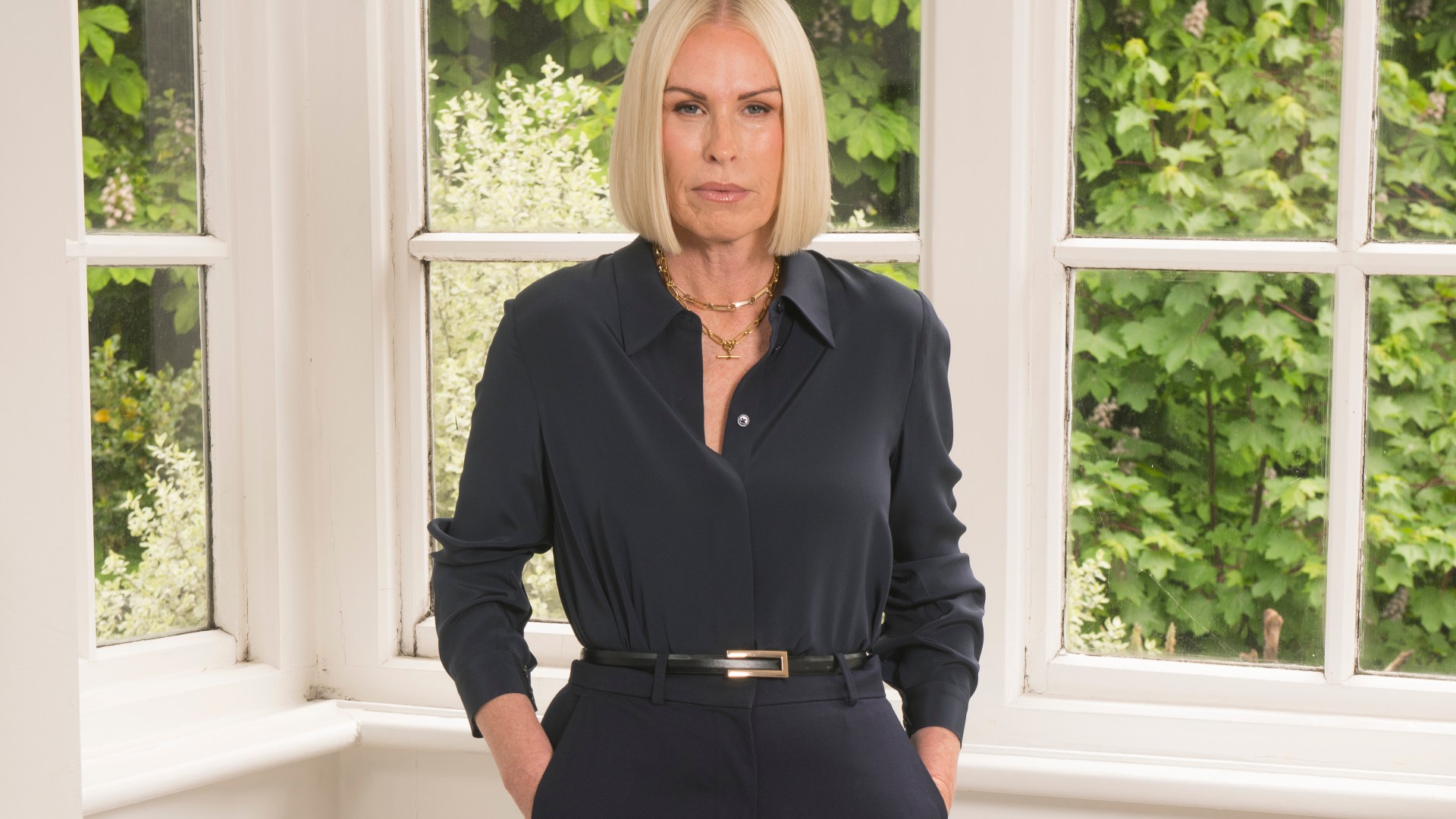
FOR more than 20 years Becki Houlston has been haunted by the night black cab rapist John Worboys drugged her with laced champagne as he drove her home.
“I don’t know if I’m a victim of sexual assault or even rape,” she says.
“I am still disturbed by the uncertainty of not knowing what happened to me.”
She is one of more than 100 women who are believed to have been targeted by Worboys.
The sex beast told his passengers he’d had a lottery or casino win and plied them with spiked booze before sexually assaulting or raping them.
Tonight an ITV drama, Believe Me, will tell the harrowing story.
READ MORE ON JOHN WORBOYS
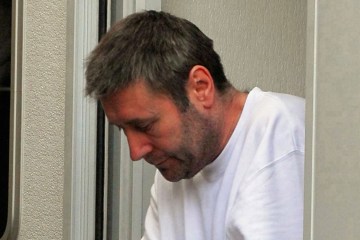
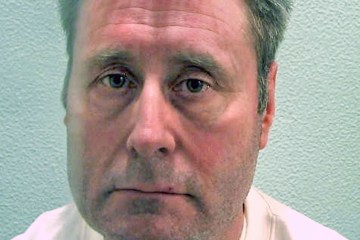
Becki bravely helped producers to ensure the four-parter is as factual as possible, to try to keep the monster behind bars, and to highlight that he operated outside of London in her home town of Bournemouth too.
In an exclusive interview Becki, 53, told The Sun on Sunday: “I know I was drugged but that’s all I know for certain.
“He didn’t rape everyone, he sexually assaulted some, and some victims, like me, don’t even know what he did.
“I think that’s the difficulty with any drugging offences. I can’t find safety in certainty.
“While that uncertainty is tough, so too is knowing it was premeditated. Somebody has hunted you down with the sole intention of seriously harming you.”
In 2009 Worboys was convicted of attacking 12 women and given an indefinite sentence.
A decision to grant parole in late 2017 was overturned in 2018 after a public outcry, which saw Boris Johnson’s wife, Carrie, reveal she had been a victim.
In 2019 Worboys — who is now known as John Radford — was sentenced to life with a minimum term of six years for four further offences.
A fresh parole hearing scheduled for June, is expected shortly.
Becki says: “It’s tough knowing Worboys could be out any minute. I’m determined to stop that.”
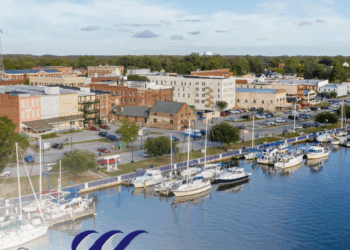
Becki, who now works as a trauma therapist in Bournemouth, was 29 when she went to a local club with pals in 2002 and had two drinks.
It was long before taxi apps and she felt “lucky” when, by chance, a black cab drove towards her.
When she commented it was unusual in the coastal town, Worboys told her he owned a flat nearby.
Becki said: “He started chatting to me, being a cheeky, chappy London cabbie. He said he’d been to the casino earlier that night and won a load of money.
“He had champagne and pressured me, ‘Come on, celebrate for me, I’ve got to drive the taxi’. It became easier to agree.
“He was staring at me in the mirror, 100 per cent focused. I sipped it — it was warm and bitter.
“We got to my driveway but every time I tried to pay him, he kept me in conversation. He topped my drink up. I kept sipping.
“By now he’d kind of groomed me into this big conversation.
“My last recollection, which I only remembered when I did my police witness statement, was that he’d somehow moved from the driver’s to the passenger seat.”
Two per cent of adults reported having had their drink spiked in the previous 12 months, according to a poll last summer by Anglia Ruskin University. That equates to nearly one million people in the UK.
But in 2002 spiking was relatively rare. Becki recalls waking up with no recollection of going to bed.
It wasn’t until she saw a picture of Worboys following his 2008 arrest that she pieced together some of what had happened to her.
She said: “I thought, ‘That’s him’. I read an article in the paper and it was like I was reading my own story. It was like a fever dream.
“I’ve spent years since trying to work out what happened. How could he have carried me down my drive? How could he have recognised my front door?
“You’re trying to find security from logic. Wondering how he could have got into my flat? How did he know which key it was?
“One documentary about him showed how he dragged a girl down a driveway. I wondered if that could have happened to me.”
Becki tries to “hang on to” certain things to relieve her fears.
First, she didn’t feel ill the next day and she recalls the plastic cup he gave her being on the kitchen unit, half full, the next morning which, she hopes, suggests she wasn’t physically attacked.
She didn’t go to the police at that point because she feared they would not believe her.
But in 2018, when there were fears Worboys could be released, she contacted lawyer Harriet Wistrich, from legal charity The Centre For Women’s Justice.
After being interviewed by Met police Becki began to suffer intrusive flashbacks. Following therapy and working on herself, she is now free of them.
She recalls: “I did an ID parade and many interviews. That was hard. But the worst moment was when I was asked to provide a photo of how I looked back then which, I was told, was put in front of Worboys in Wakefield Prison.
“It made me feel utterly vulnerable. My body started shaking and went freezing cold. I realised he would know what I looked like and have a good idea of where I lived.”
With a new bid for freedom imminent, she warned: “Worboys could be coming to a town near you if he gets parole. That’s why I’m still trying to show he was a mobile rapist.
“Legal papers show there was at least one other victim who came forward from Bournemouth.
“I fear other victims fell through the cracks. I want to call the police to account for their lack of public acknowledgment of this.”
Between 2000 and 2008, scores of women made allegations of rape or sexual assault while in Worboys’ taxi but police failed to link the cases, instead often questioning the women’s characters and implying they were lying.
A Met Police spokesperson said: “We have previously apologised for the serious failing in the investigation and the distress caused to all those affected.
“This case led to significant improvements in the way rape and sexual offences are investigated, with a greater focus on suspects and their offending.”
A Dorset Police spokesperson added: “We undertook initial enquiries on behalf of the Met to assist their investigation into the offending of John Worboys.
“Any subsequent enquiries or contact with victims would have been undertaken by them.”
Becki added: “When I watch the drama I know I will feel anger and sadness plus gratitude and respect for the brave women who feature in it.
“They helped bring him to justice and fought to keep him behind bars, as well as holding the failures of the justice system to account.”
Becki’s case was not one of the further crimes he was convicted of — but she is determined to keep fighting against him.
Now she hopes the TV drama — which sees Daniel Mays play Worboys — will show how prolific he was in her town too and lead to further victims coming forward.
She says: “I hope this programme highlights not only the failings but also the bravery of every victim of sexual violence who steps forward.
“Together we can make change happen. He deserves to stay behind bars for life.”
Timeline of horror
1996: Worboys becomes a licensed London cabbie.
2002: First allegation of sexual assault. Many more follow.
2008: Worboys arrested on charges including rape, sexual assault and administering a substance with intent. Thirty women answer a police appeal.
2009: Convicted of one rape, five sex assaults, one assault bid and 12 drugging charges, between 2007 and 2008. Jailed indefinitely and told to serve minimum eight years.
2010: Five Met police disciplined for missing key chances to catch Worboys. Scotland Yard say he may have attacked at least 100 women.
2018: Outcry over Parole Board decision to free Worboys. High Court blocks his release.
2019: Charged with drugging four more women with intent. Ordered to serve a minimum of six years.
Jan 2026: It is revealed Worboys will face a public parole hearing in June. This is later changed to a paper hearing.