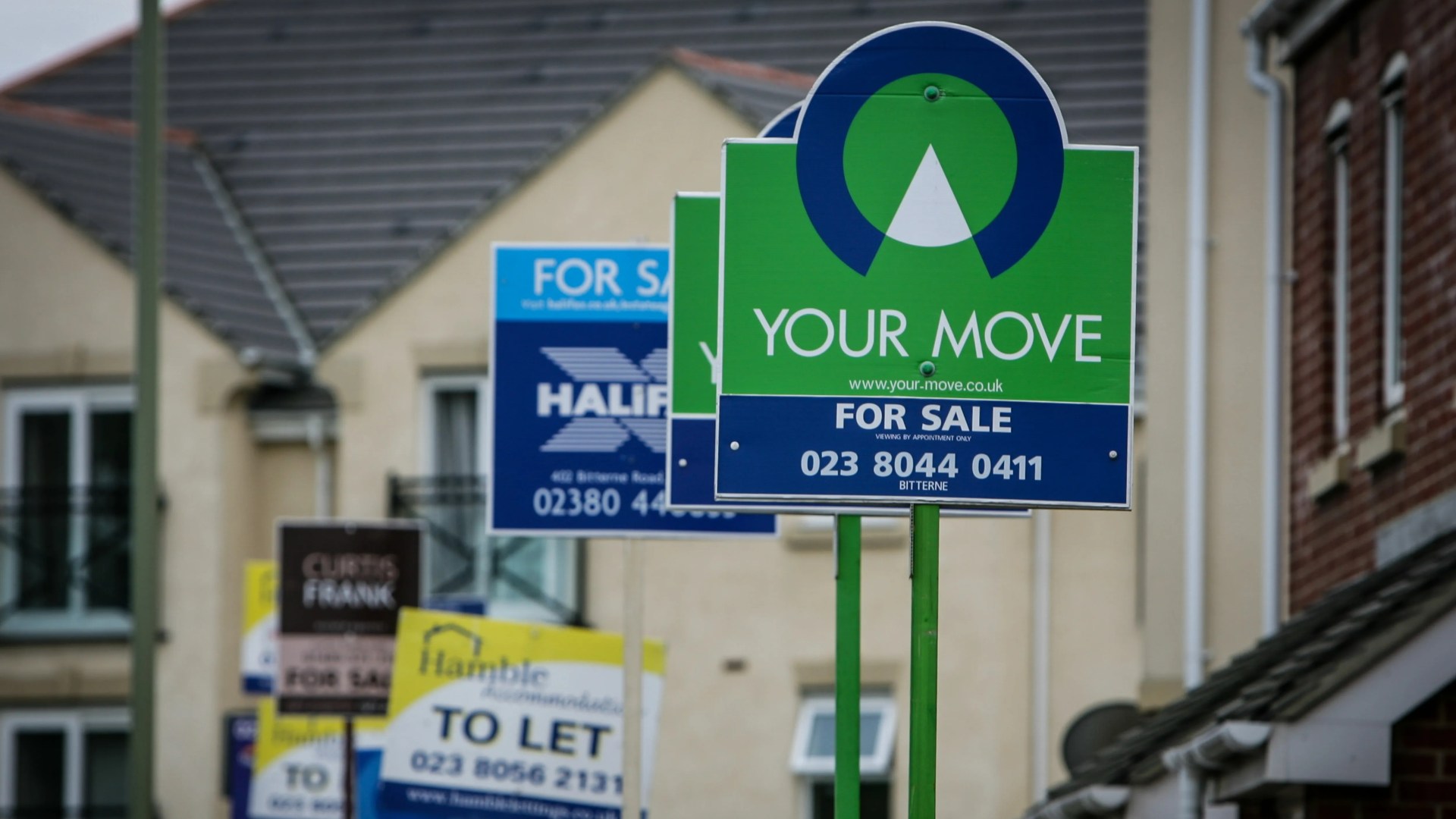
FIRST-TIME buyers have forked out an estimated £307million extra in stamp duty since temporary relief measures ended last year, according to calculations from a property website.
Rightmove estimated that an average of £4,618 more has been paid per buyer.
It found the total estimated first time buyer stamp duty bill over the past year was £408million, versus £101million the previous year.
The tax is a one-off payment you have to make if you buy a property or piece of land over a certain price.
Since 2022 until April 2025 a temporary stamp duty holiday had been in place meaning the thresholds at which the tax had to be paid were higher.
When then holiday ended the “nil rate” threshold for first time buyers was reduced from £425,000 to £300,000.


Rightmove analysed first time buyer property purchases in England since April 1 2025.
London alone accounts for just over half (53%) of the estimated £408 million paid since the threshold fell to £300,000, with the South East contributing around a quarter (23%), according to its estimates.
In contrast, regions such as the North East and East Midlands contribute only small proportions (0.3% and 1% respectively), with more homes there priced below £300,000, therefore remaining stamp duty free, the report said.
Rightmove, which used its own data for the research, estimated the stamp duty total based on sales of typical first time buyer properties between April 1 2025 and March 31 2026.
Home buyers are also dealing with cost pressures from mortgage rates having jumped following the conflict in the Middle East.
Colleen Babcock, property expert at Rightmove said: “First time buyers are already facing significant challenges, from higher mortgage costs to rising rents while they save.”
Nathan Emerson, chief executive of property professionals’ body Propertymark, said: “These figures underline the increasing strain on first time buyers, with higher stamp duty costs adding to already significant affordability challenges.
“The reduction in the threshold has not only raised upfront costs but also reduced the availability of suitable homes, particularly in higher value areas.”