MORE workers will have to pay tax on income they haven’t even earned yet under a rule rejig.
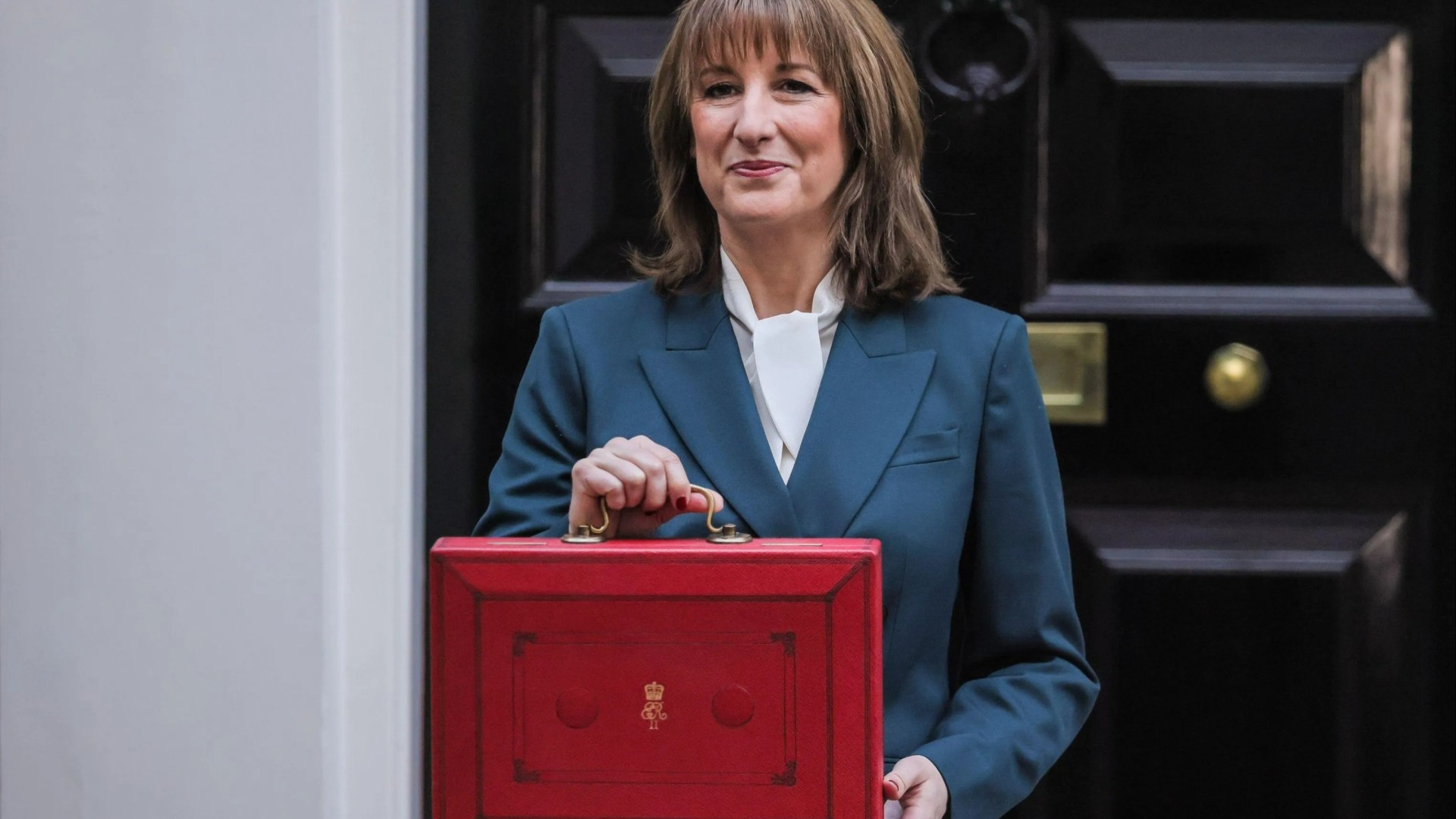
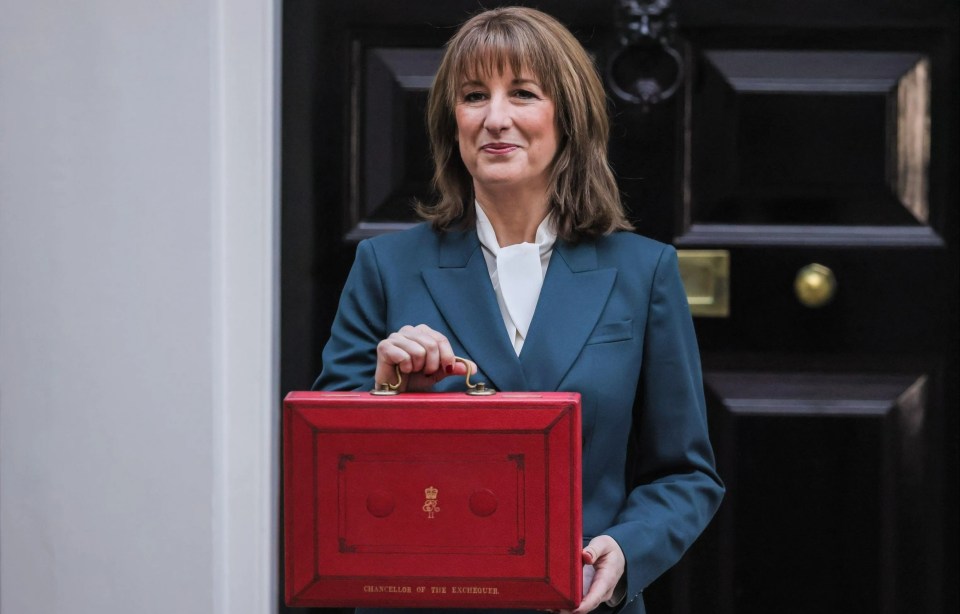
Chancellor Rachel Reeves announced a massive change to income tax in November’s budget that has slipped under the radar.
Payrolled workers who also earn money through side hustles will have to pay self-employment earnings through their PAYE tax code, according to Budget documents.
At the moment, most payrolled workers with a side hustle pay tax for each job separately.
Under the current system, self-employed workers file a tax return and pay what they owe by January 31 each year.
Some workers owing less than £3,000 already choose to have their self-employed tax taken through the PAYE system.

But under these proposals, from April 2029, many more employees with side hustles would pay self-assessment tax liabilities through the PAYE system.
The Treasury estimates the measure will raise £925million through “debt prevention” and “timelier” tax collection.
However, experts have warned that this could pile huge financial pressure on workers whose income fluctuates throughout the year.
That’s because the regular PAYE tax deductions would be based on the previous year’s side hustle earnings.
Mike Warburton, a former tax director with the accountants Grant Thornton, told the Telegraph: “You might make all your money over Christmas but get asked to pay tax throughout the whole year. So it’s a tax on income you haven’t earned yet, which is fundamentally unfair.”
Some would argue that self-employed workers already pay tax before getting their earnings.
For example, payments on account, paid on January 31 and July 31, each worth 50% of the previous year’s tax liabilities, go towards your next tax bill.
However, critics of the government’s newly proposed tax system argue it’s likely to mean workers overpaying and having to seek refunds at the end of the tax year.
Mr Warburton told the Telegraph: “I have no confidence in HMRC being able to make refunds in good time.”
HMRC has said taxpayers would be able to make their in-year tax payments more accurate if they could show that the tax owed would be significantly lower than the forecast.
A safeguard that prevents PAYE deductions from exceeding 50% of PAYE income would also remain in place.
HMRC will publish a consultation on the planned change early next year.
The Treasury and HMRC were approached for comment.
Do I need to pay tax on my side hustle income?
MANY people feeling strapped for cash are boosting their bank balance with a side hustle.
The good news is, there are plenty of simple ways to earn some additional income – but you need to know the rules.
When you’re employed the company you work for takes the tax from your earnings and pays HMRC so you don’t have to.
But anyone earning extra cash, for example from selling things online or dog walking, may have to do it themselves.
Stephen Moor, head of employment at law firm Ashfords, said: “Caution should be taken if you’re earning an additional income, as this is likely to be taxable.
“The side hustle could be treated as taxable trading income, which can include providing services or selling products.”
You can make a gross income of up to £1,000 a year tax-free via the trading allowance, but over this and you’ll usually need to pay tax.
Stephen added: “You need to register for a self-assessment at HMRC to ensure you are paying the correct amount of tax.
“The applicable tax bands and the amount of tax you need to pay will depend on your income.”
If you fail to file a tax return you could end up with a surprise bill from HMRC later on asking you to pay the tax you owe – plus extra fees on top.