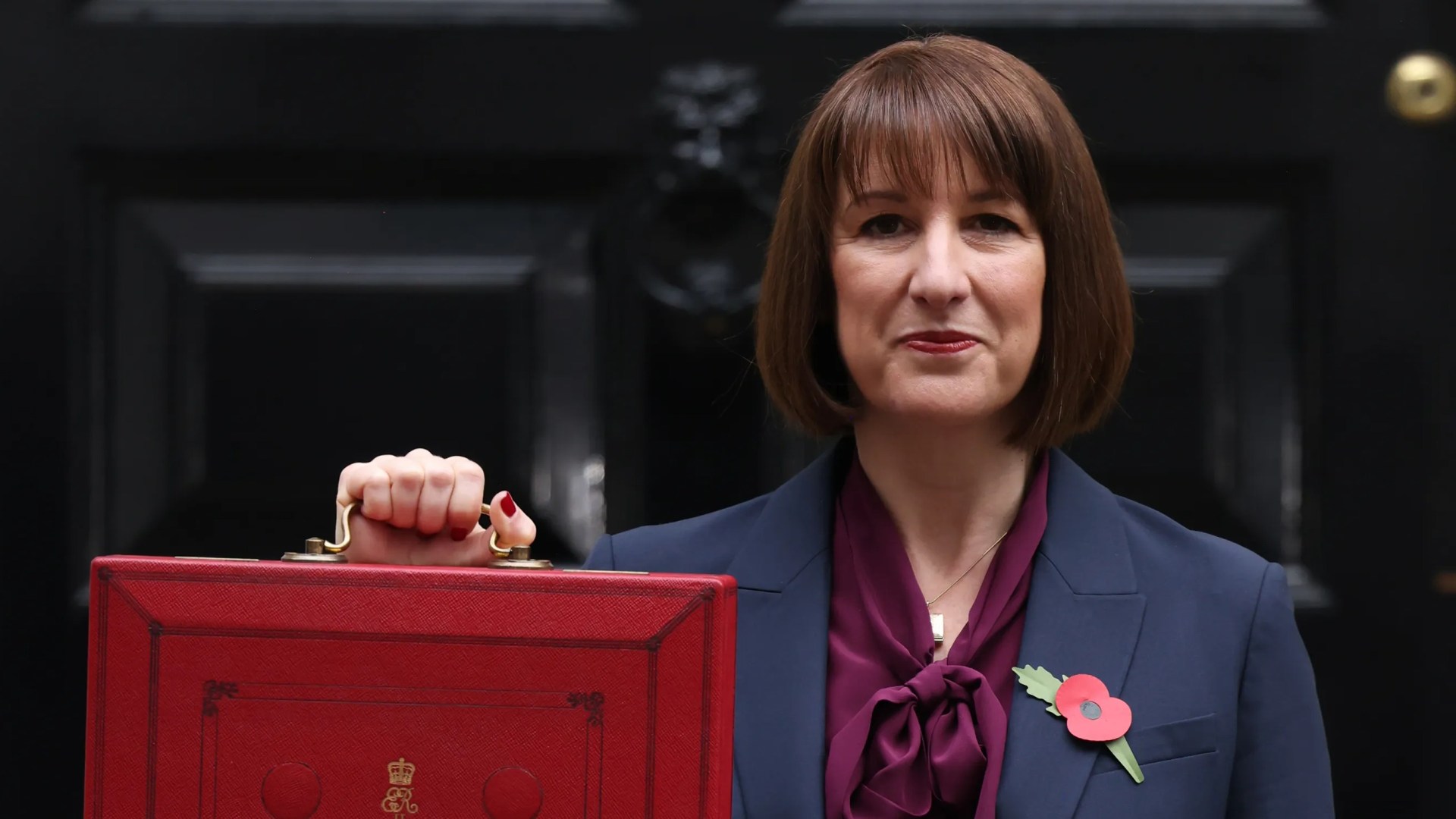
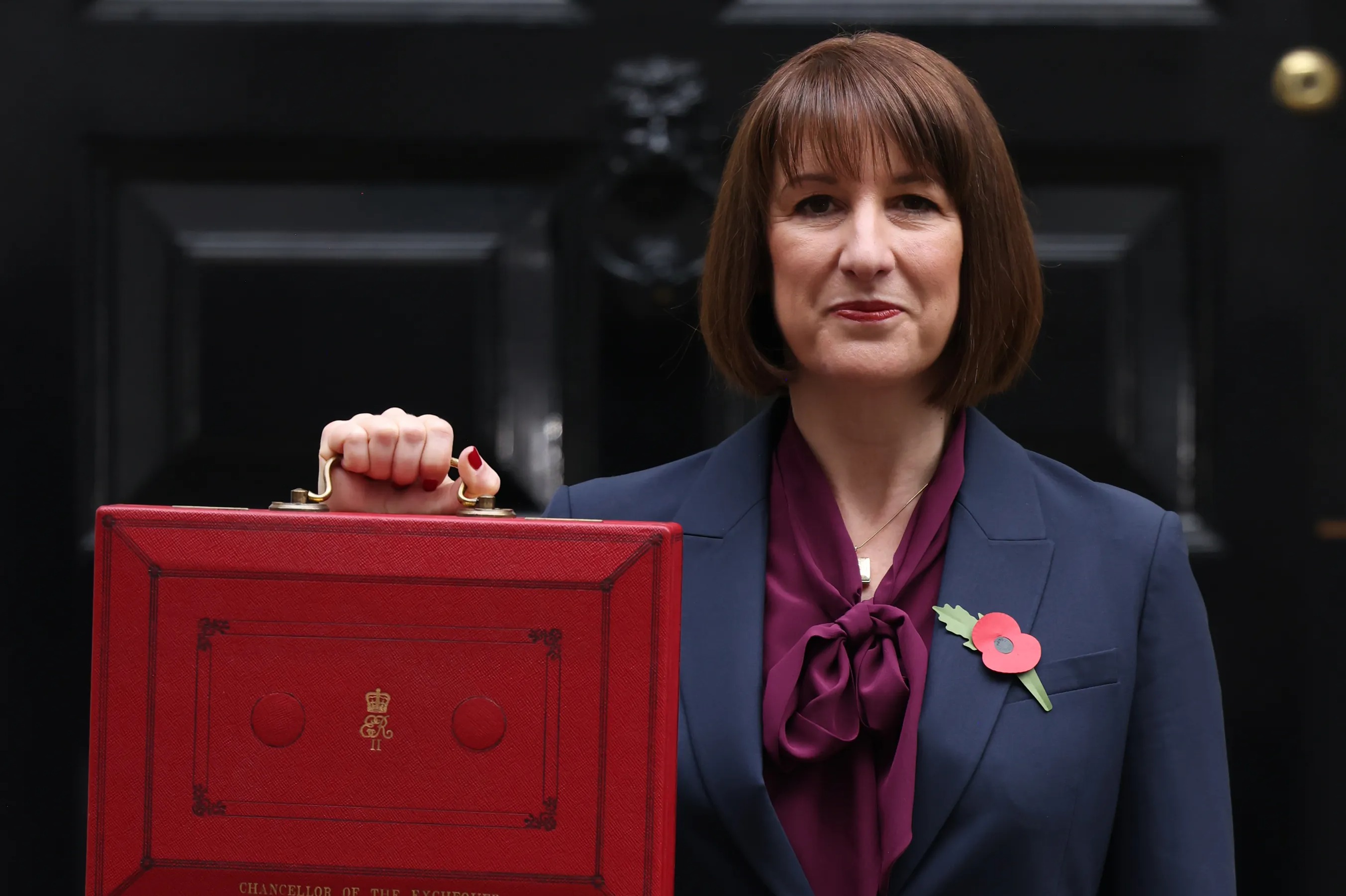
YOUR salary could determine how hard you are hit by Budget tax hikes, reports suggest.
In its manifesto, Labour pledged not to increase taxes on “working people”.
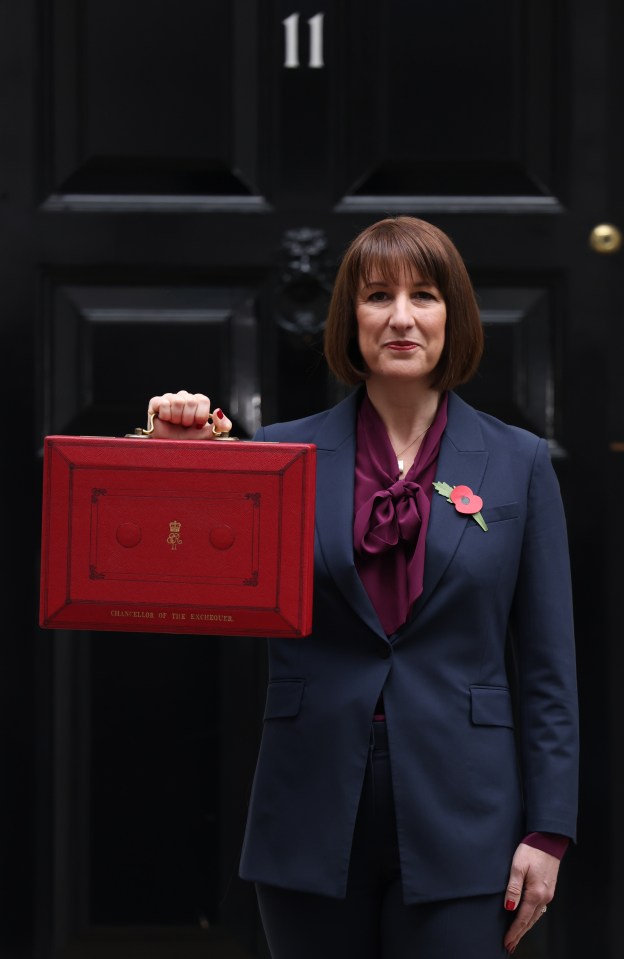
However, with the Budget just weeks away, the Chancellor is now considering ways to plug an extra £20billion black hole, which has made tax rises more likely.
Until now it was not clear who “working people” are but the internal definition used by the Treasury has been obtained by Sky News.
According to reports officials have been told to protect the income of the lower two-thirds of working people.
This means that workers earning more than £46,000 could be hit with tax hikes in the Budget.

However, this is likely to mean the basic rate of income tax and national insurance will not increase, as all workers would have to pay more tax if they did.
But ministers are still deciding exactly which measures they will unveil and whether to break key manifesto pledges.
Many of the main elements of the Budget will not be finalised until November 26 in the Chancellor’s speech.
Rachel Reeves is facing a fiscal black hole that could exceed £35billion after the most recent figures from the Office for Budget Responsibility were worse than expected.
The OBR is understood to have downgraded forecasts for productivity by 0.3 percentage points.
The Institute for Fiscal Studies has calculated that for every 0.1 percentage point downgrade in the productivity forecast, government borrowing would increase by £7billion in 2029-30.
This means a 0.3 point cut could add £21billion to the black hole the Chancellor must fill.
The hole could be filled by hiking taxes, slashing public spending or increasing government borrowing.
The Chancellor also needs to find around £10billion because of Labour’s u-turn on welfare cuts, its decision to reinstate the winter fuel allowance and other policy changes.
Meanwhile, on Monday the Chancellor also said she will increase the fiscal headroom, which is the buffer between her spending projects and borrowing, which is limited by her fiscal rules.
The Chancellor has two main Budget rules, which she has said are “non-negotiable”. These are:
- Not to borrow to find day-to-day public spending by the end of this parliament
- To get government debt falling as a share of national income by the end of this parliament
It is estimated that increasing the fiscal headroom will cost up to £10billion.
As a result, it means the total size of the black hole she needs to fill is around £40billion.
But this figure is before the final forecast from the OBR, so could change.
The Sun has approached the Treasury for comment.
What else could be included in the Budget?
The Government is considering several measures to raise much-needed cash in the Budget.
Among them is an increase in the basic rate of income tax by 1p, which would help to raise around £8billion.
If the measures are introduced, it would be the first time the basic rate of income tax has been increased since the 1970s.
For someone earning the national average salary of £37,439 a year, an extra 1p on income tax would increase their annual tax bill by around £250.
The Chancellor is also widely expected to announce a stealth tax raid on millions of workers in the Budget, by extending the freeze on income tax thresholds.
The thresholds determine how much employees can earn before they start to pay income tax.
The current tax bands were frozen by the Tory government in 2021 and are set to remain in place until April 2028.
But economists have predicted that the freeze will be extended for another two years in a move that could raise £10billion.
Freezing the tax thresholds would force millions of workers into paying more tax as their income rises with inflation, through a concept known as fiscal drag.
According to figures from Quilter, someone earning between £20k and £40k would end up paying £214 more in income tax by 2029/30.
But someone earning £45,000 would see a sharper increase in tax paid.
In this case, the worker would pay an extra £317 in 2028/29 and £642 in 2029/30.

Meanwhile, the Chancellor is considering increasing taxes on betting companies.
But The Sun has hit back at this measure, which could squeeze the odds and restrict the prizes that bookies can afford to offer.
Do you have a money problem that needs sorting? Get in touch by emailing money-sm@news.co.uk.
Plus, you can join our Sun Money Chats and Tips Facebook group to share your tips and stories