Experts have revealed why an entire pack of wolves was euthanised at an animal park in Canterbury – and not just one or two unruly animals.
Wildwood Trust was forced to make the ‘absolute last resort’ decision due to ‘severe aggression’ between the pack.
Three out of the five European grey wolves had reportedly suffered serious injuries – as bosses at the park said the decision to put them down was made after taking extensive advice from keepers and veterinary specialists.
Furious animal lovers have vented their frustrations online, demanding to know why the wolves could not have been separated or relocated.
Now, experts have revealed exactly why they euthanised the entire group.
The charity claims long–term separation was not a viable solution, as wolves’ welfare is closely tied to living within a stable pack structure, and isolation can create further welfare concerns.
Moving wolves into other established packs is also not a viable option and would be ‘irresponsible’, as it would ‘almost certainly lead to further conflict, serious injury or the breakdown of another group’.
‘As the animals’ quality of life significantly deteriorated and could not be improved to an acceptable level, the decision was made to act in their best interests,’ it added.
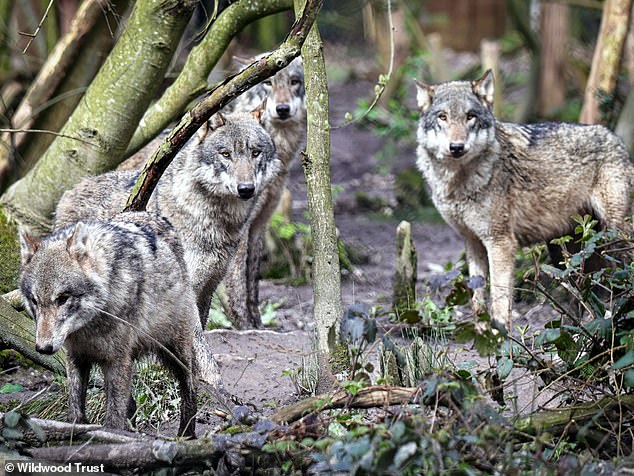
Wildwood Trust says it was forced to make the ‘absolute last resort’ decision due to ‘severe aggression’ between the pack
In a post on Instagram the charity also explained that attempting to sedate and move the wolves would have ‘posed a significant risk to both the animals and the team, and would not have resolved the underlying issue’.
It said that the severity of injuries was ‘extremely high’ and that multiple wolves had sustained life–threatening wounds, with one individual showing signs of sepsis.
‘Due to the instability within the pack, we were unable to safely intervene or provide the level of veterinary treatment needed,’ it added.
‘This meant that maintaining any acceptable quality of life for the animals was no longer possible.’
A video taken last year at the park shows the wolves appearing to interact well with each other within their enclosure.
However Paul Whitfield, Wildwood Trust’s Director General, said there has been a recent deterioration in the group dynamics.
‘Wolves are highly social animals that live within complex family structures, and when those dynamics break down, conflict and rejection can increase,’ he said.
‘In this case, it led to ongoing welfare concerns and an unacceptable risk of serious injury.’
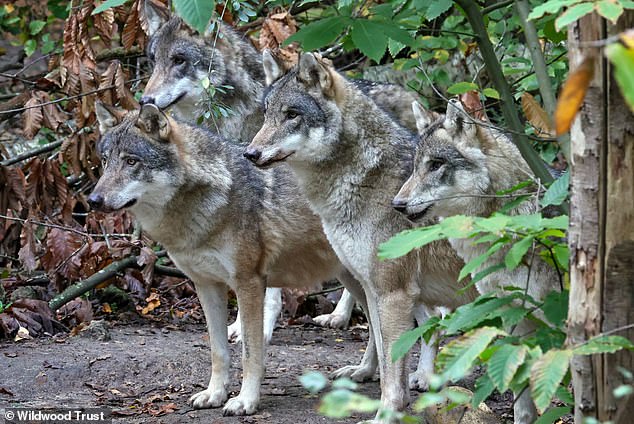
The wolves have previously appeared to interact well together within their enclosure. But the Trust said there has been a recent deterioration within group dynamics
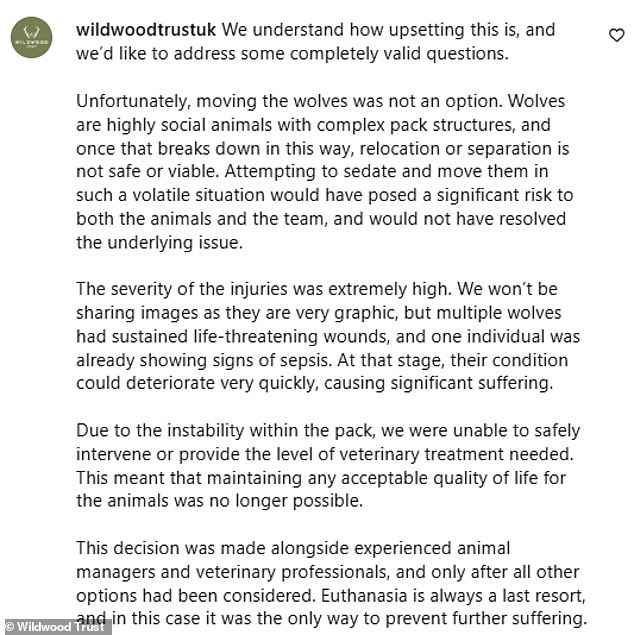
In a post on Instagram the charity also explained that attempting to sedate and move the wolves would have ‘posed a significant risk to both the animals and the team’
He added: ‘Euthanasia is never taken lightly, but in responsible animal care it can sometimes be the most humane option when welfare can no longer be maintained.
‘This decision was an absolute last resort, with the animals’ welfare as our priority.
‘It’s incredibly difficult, but it was ultimately the right thing to do to prevent further suffering.’
He said keepers ‘did everything they could to find a way forward’ and had tried a range of interventions to try and stabilise the group.
‘Despite these efforts, it became clear there was no safe or humane long–term solution that would allow the wolves to live together as a stable pack,’ the park said in a statement.
The pack, made up of commanding duo Nuna and Odin and their three male offspring, Minimus, Tiberius and Maximus, was a beloved attraction among locals.
The news has led to an outpouring of sadness from visitors.
One wrote: ‘Very upsetting. This means there is not enough room for the wolves to thrive. Hopefully you won’t bring anymore wolves to ‘amuse’ your paying visitors’.
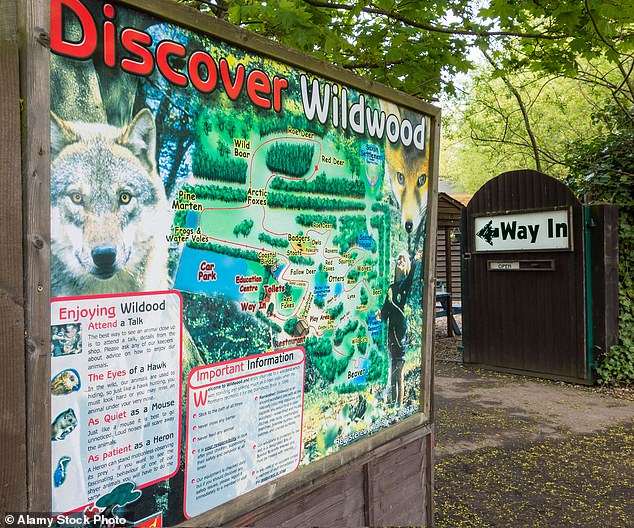
The pack, made up of commanding duo Nuna and Odin and their three male offspring, Minimus, Tiberius and Maximus, was a beloved attraction among locals, with the news leading to an outpouring of sadness from visitors
A second said: ‘In the wild they would at least be able to get away. This is why keeping packs and prides isn’t a good idea.’
Another added: ‘This is a heartbreaking outcome that highlights why I don’t believe any animals, especially a pack, should be kept in cages.
‘These are wild creatures with complex social needs that even the best intentions can’t always satisfy.’
Others argued a ‘better solution could be found’ and that ‘this shouldn’t have been an option’.
The wildlife park said it has a ‘strong track record of going above and beyond for the animals in its care’.
This includes securing brain surgery for its young bear cub, Boki, in October 2024, it said in a statement.
‘This decision reflects that same commitment to welfare, even when the outcome is incredibly difficult,’ it added.
‘The Trust would like to thank visitors and supporters for their understanding at what is a very difficult time.’