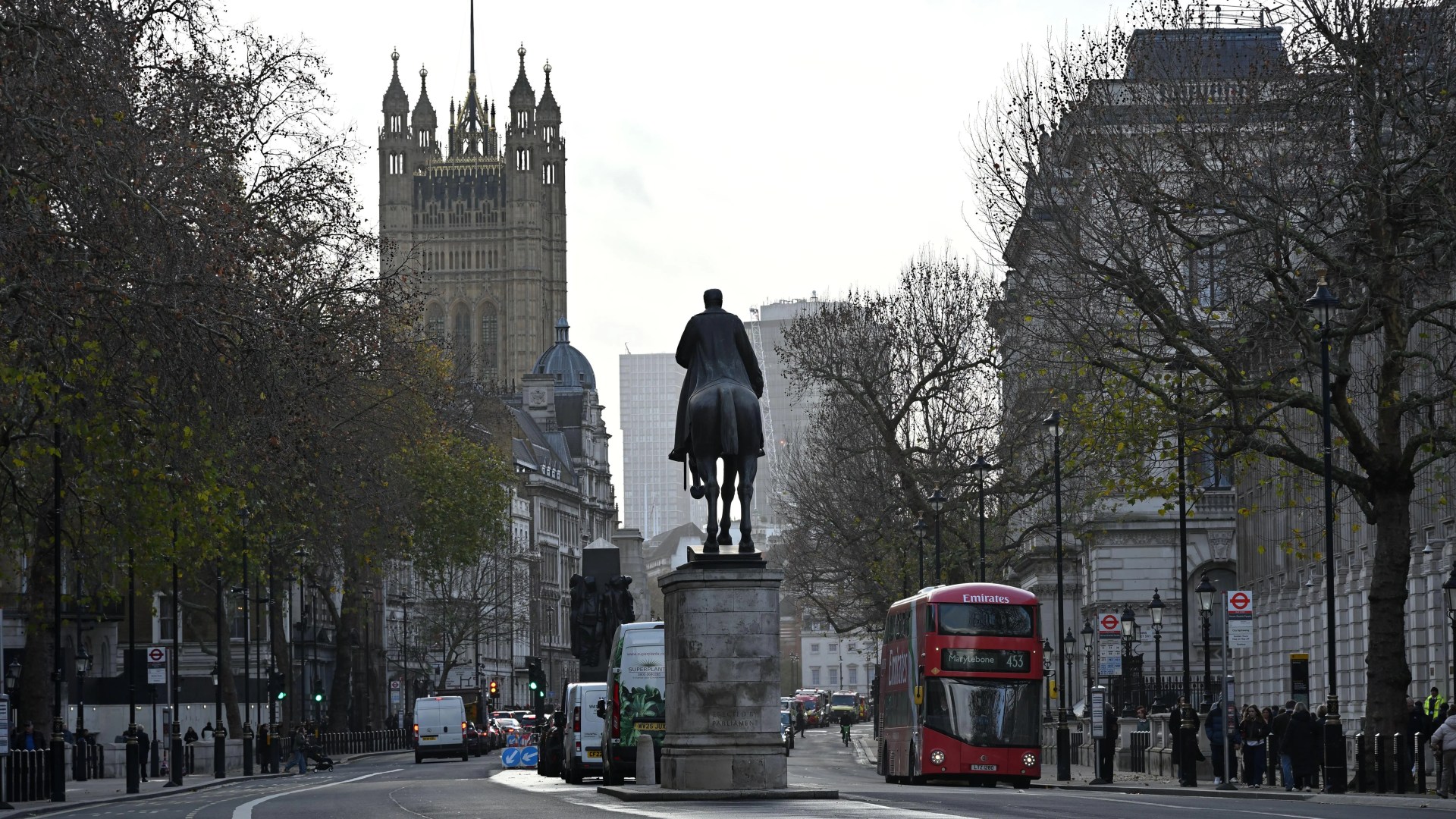
WHITEHALL penpushers have demanded the right to work from home because of the Iran war.
The largest union representing civil servants urged ministers to ditch their mandatory office attendance rule of at least three days a week.

The Public and Commercial Services Union claimed the Middle East conflict was “pushing up costs for workers who are already struggling to make ends meet”.
It argued that commuting into work was “out of step” with the economic pressures bearing down on civil service households.
In a bid to justify its call, the PCS pointed to advice from the International Energy Agency (IEA), which recommends countries cut energy consumption by working from the sofa.
But the IEA plea from a fortnight ago was brushed aside by Sir Keir Starmer, whose spokesman said: “We [Britain] have a diverse and resilient supply.


“People in the UK should continue to go about their days in normal fashion.”
John O’Connell, chief executive of the TaxPayers’ Alliance, said: “The PCS claims that civil servants are poorly paid, despite Britain’s bureaucrats benefiting from higher salaries than their private sector counterparts on top of better holiday entitlements, more sick leave, and significantly more generous pensions.
“Ministers should be ignoring these demands and telling recalcitrant pen-pushers to grow up.”
Full list of IEA’s immediate actions to reduce oil demand
- Work from home where possible
Displaces oil use from commuting, particularly where jobs are suitable for remote work. - Reduce highway speed limits by at least 10 km/h
Lower speeds reduce fuel use for passenger cars, vans and trucks. - Encourage public transport
A shift from private cars to buses and trains can quickly reduce oil demand. - Alternate private car access to roads in large cities on different days
Number-plate rotation schemes can reduce congestion and fuel-intensive driving. - Increase car sharing and adopt efficient driving practices
Higher car occupancy and eco-driving can lower fuel consumption quickly. - Efficient driving for road commercial vehicles and delivery of goods
Better driving practices, vehicle maintenance and load optimisation can cut diesel use. - Divert LPG (liquified petroleum gas) use from transport
Shifting bi-fuel and converted vehicles from LPG to gasoline can preserve LPG for cooking and other essential needs. - Avoid air travel where alternative options exist
Reducing business flights can quickly ease pressure on jet fuel markets. - Where possible, switch to other modern cooking solutions
Encouraging electric cooking and other modern options can reduce reliance on LPG. - Leverage flexibility with petrochemical feedstocks and implement short-term efficiency and maintenance measures
Industry can help free up LPG for essential uses while reducing oil consumption through quick operational improvements.