
This article is taken from the February 2026 issue of The Critic. To get the full magazine why not subscribe? Get five issues for just £25.
Remember Private Frazer from Dad’s Army? Ian Buxton is the Private Frazer of whisky. Whilst the rest of the industry was enjoying a long boom Buxton was writing articles saying if not quite “We’re all doomed!” then at least that there would be tears before bedtime.
From around 2010, to meet demand, whisky producers increased capacity dramatically. Glenlivet doubled production as did Miltonduff and Aberlour. Macallan moved to a shiny new distillery, whilst whisky Mecca, Islay, went from seven working distilleries in 2004 to ten today with four more in the pipeline.
Low interest rates and quantitative easing following the 2008 financial crisis saw investors pour money into collectible bottles, causing the price of rare single malts from Macallan especially to soar. Everybody began targeting the investment market with lavishly packaged single malts designed for sitting in bank vaults rather than drinking.
I remember as early as 2018 thinking that prices couldn’t keep rising, but they had barely got going. In 2023 a bottle of 60-year-old Macallan sold for £2.3 million. The air of greed was palpable. To take advantage of this febrile atmosphere, a rash of dubious companies sprang up offering high returns on whisky casks to naive customers.
There were warnings about cask sharks, but few apart from Buxton noticed that the entire edifice was unsustainable. As former head of marketing at Glenmorangie, he’d seen what happened the last time the industry got cocky.
In the 1960s and 70s the industry expanded massively to take advantage of expanding markets in Venezuela, Italy, France and others. Modern new distilleries were constructed to make whisky for blends. Whisky requires a minimum of three years to mature, ideally longer.
The industry laid down millions of casks in anticipation of demand that never came. It led to the so-called “whisky loch” of unwanted maturing spirits. There was no call for characterful single malts like Brora in the Highlands and Port Ellen on Islay so United Distillers closed them both in 1983.
The response to anyone who pointed out the similarities between the 1980s and now was “this time it’s different” — the four most dangerous words in the English language, according to the late financial guru John Templeton.
Received opinion was that the market was so globalised that it couldn’t possibly decline everywhere. There was so much untapped potential in the East, particularly China and India. Let the good times roll!
At great expense, Diageo rebuilt the previously unwanted distilleries at Brora and Port Ellen whose remaining stocks of single malt had become hugely valuable.
It also dramatically raised the price of its most in-demand whiskies: Talisker 18-year-old went from £80 to £180 overnight. To compensate for lack of mature stocks, the industry pushed NAS (no age statement) whiskies with the mantra that age doesn’t matter. Hand-in-hand came a rash of gimmicky bottlings including awful single malts aged in tequila casks.
The exuberance wasn’t confined to Scotland. All the classic whisky-producing nations upped production. It seemed that no town in Ireland was too small to have a distillery under construction. Countries such as Sweden, England and Australia got involved. India, the world’s largest market for whisky, now makes good single malts. This time it was different.
Into this complacent world rode the four horsemen of the whisky apocalypse: war, tariffs, inflation and, most terrifying of all, abstinence. Global demand plummeted from a high in 2023. Glenglassaugh, Teaninich and Glenmorangie all “paused production”. Many plans for newer distilleries were quietly shelved.
A lot of people lost money during the boom. Some small investors were conned by the promises of high returns on whisky casks. There are, however, silver linings to all this turmoil. We are already seeing evidence of overstocks of mature whisky. Glenmorangie recently moved its flagship bottling from 10 years old to 12. Expect to see lots of commentators saying how important age is to whisky.
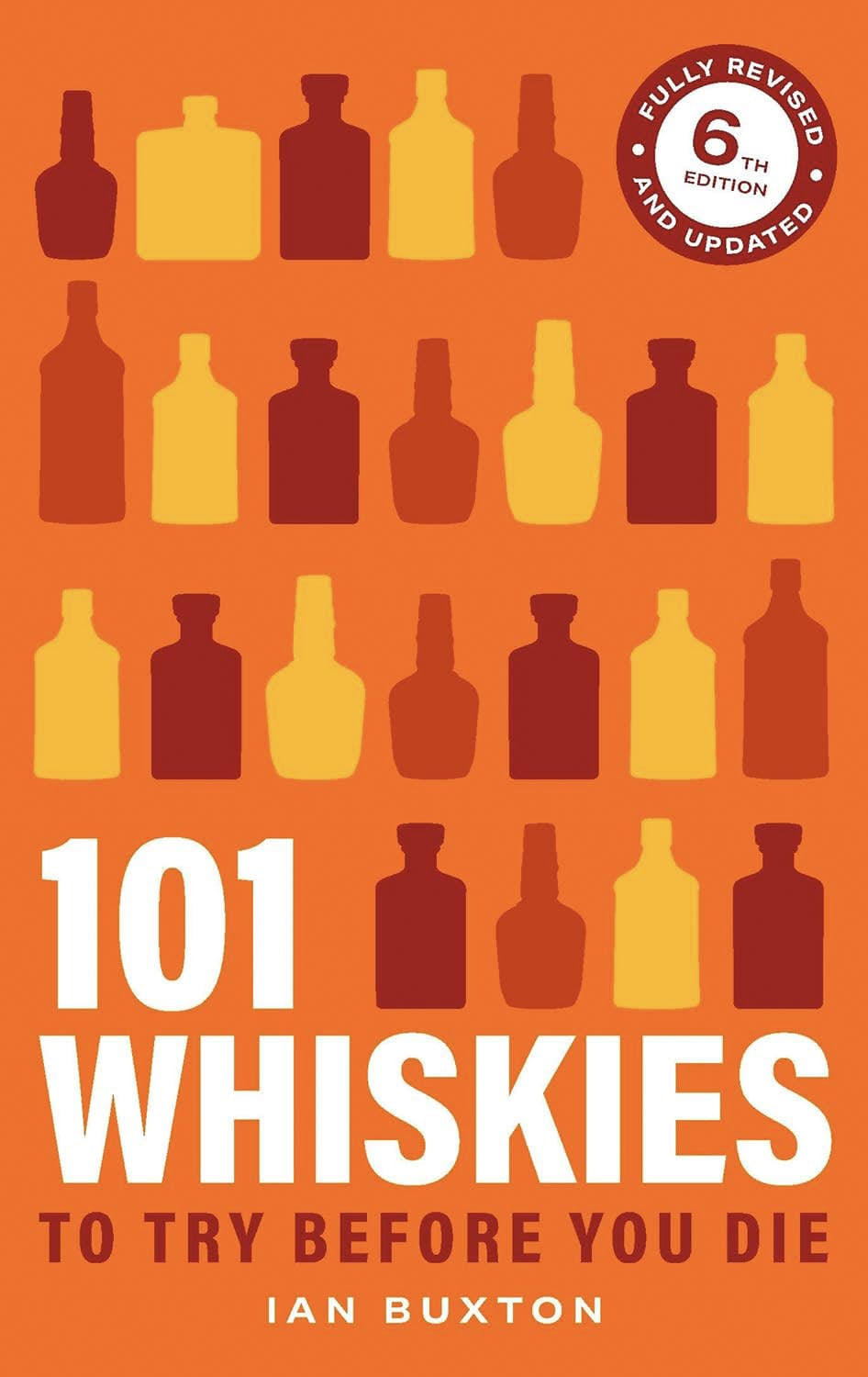
For malt lovers on a budget, many distilleries will be looking to offload surplus. Ian Buxton writes in the new edition to 101 Whiskies to Try Before You Die: “the distillers are turning to their old friends in the multiple grocers to help empty their bulging warehouses. Today, their buying teams are smart, well-informed and highly competitive, meaning that once again they are driving hard bargains that lead to good value on their shelves.” He recommends looking at label ranges from Aldi, Lidl and Sainsbury’s in particular.
The industry might be in a flap, but readers should be shameless in taking advantage of the bargains that are coming. Don’t panic, take a dip in the whisky loch, the water is fine.