IT doesn’t matter how many times you tell yourself they’re “just a plant in the wrong place”, weeds can get really annoying.
But whether you are a fastidious “everything in order” gardener or someone who likes to let mother nature do it’s own thing, weeds are an “indicator plant” that have a message.
Not only do they show the kind of soil you have, but they can also signal whether your soil is acidic, waterlogged or lacking in nutrients.
Here is a guide to what weeds mean for your space:
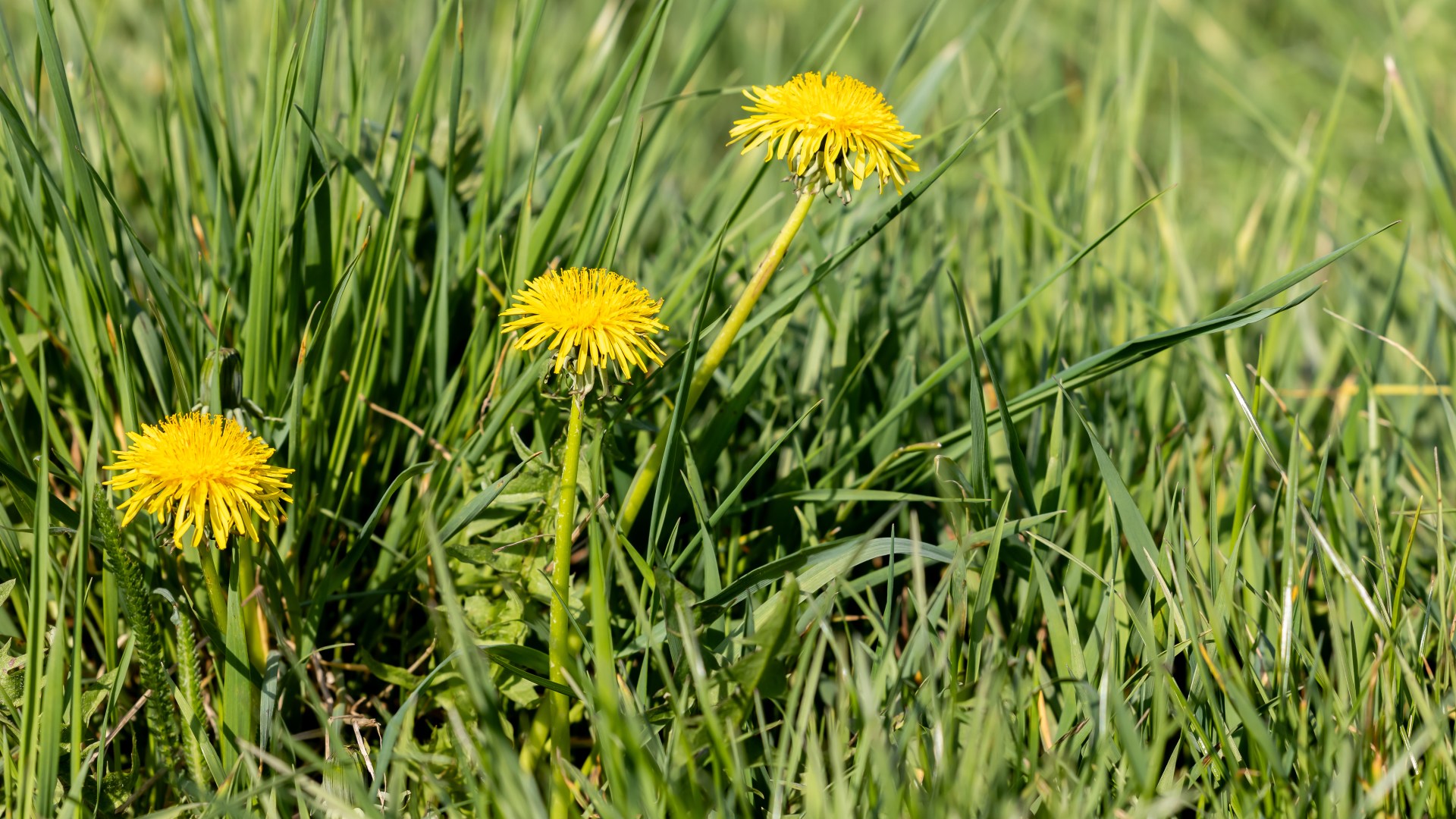
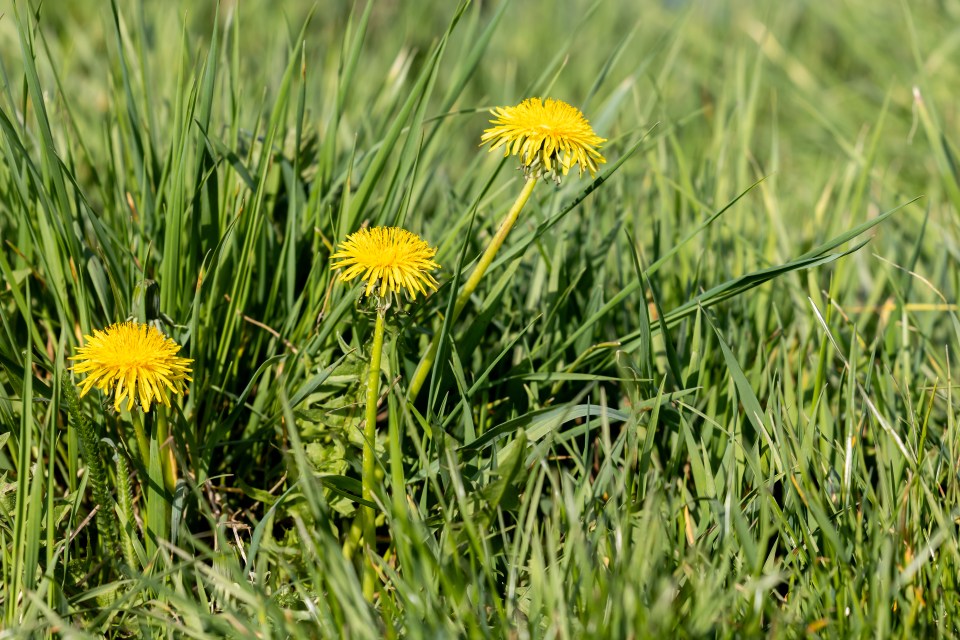
DANDELIONS: They love to take over where grass is struggling, and like damp, compacted soil.
If you do not remove the taproot, they will come back, especially on a thin lawn.
PLANTAIN: These thrive in compacted soil, often due to heavy footfall, especially if it is poorly drained, or old, nutrient-deficient earth.
They also like lawns that aren’t fed or aerated, and acidic soil.
FINGER GRASS: Any opportunity to take over bare, dry patches of sandy, poor soil in the lawn or flower beds.
It also thrives in warm weather, so when the other grass might go dormant when it gets really hot, this will continue to grow.
HORSETAIL: Amazing fact — horsetail has been around longer than the dinosaurs.
Less amazing fact — if it is in your garden, then you have probably got waterlogged soil. And it is either heavy clay or poor, sandy soil where any other plants will struggle to survive.
KNOTWEED: Loves disrupted ground, such as construction areas and roadsides, and often gardens that have been left to go wild.
It doesn’t care what pH your soil is, either — and likes nutrient-poor earth and growing through cracks in the ground.
BINDWEED: Hard to win with this one. Likes dry gravel soils but also heavy, wet clay.
Also thrives in low-calcium, low-oxygen disturbed soil with high levels of magnesium.
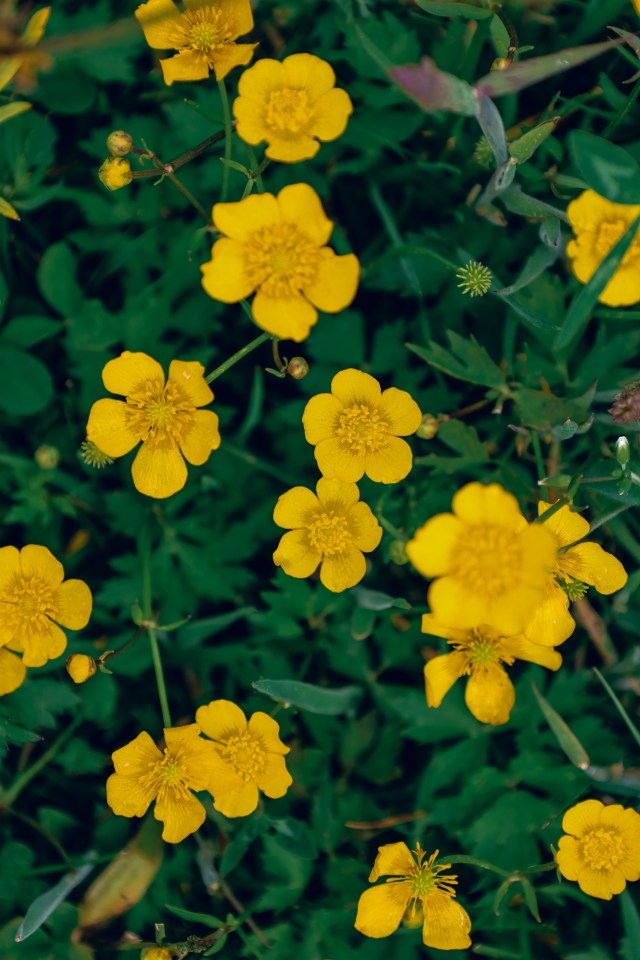
CREEPING BUTTERCUP: Likes waterlogged conditions, poor drainage or over-watering. It thrives in acidic soil and prefers moist, heavy clays.
NETTLES: If you have got nettles, it’s actually quite a good sign as they really like nutrient-rich, fertile soil.
They do not care whether it’s alkaline or acidic. A good indicator of soil health.
Also in Veronica’s Column this week….
Top tips, gardening news, Plant of the Week and a XXL American charcoal BBQ competition
For more gardening content, follow me @biros_and_bloom
SAVE! THE weather is hotting up, so why not seek some shade under a smart parasol? Robert Dyas has a lovely Beliani parasol for £108.99, or Habitat makes an attractive tilting version costing £25 at Argos.
WIN! OUR pals at Vonhaus have got an XXL American charcoal BBQ with Smoker worth over £200 to give away.
To be in with a chance of winning, see thesun.co.uk/smoker or write to Sun Smoker competition, PO Box 3190, Colchester, Essex, CO2 8GP. Include your name, age, email or phone.
- UK residents 18+ only. Entries close 11.59pm, April 25, 2026. T&Cs apply.
LEARN! Q) WHAT is the best way to prune our rose?
Michael Owen, via email
A) This looks pretty healthy. But if you do want a light prune, remove any dead and damaged branches, any rubbing against each other and then reduce the height by a third.
I’d remove that sideways branch, too. You are aiming for a wine-glass shape.
THIS WEEK’S JOB! SOW wildflower seeds and hardy annuals – and overseed your lawn.
Prepare bed with manure or compost. Pinch out tips of sweet peas and prune penstemons.
INSECT POO SOIL IS TOPS: HEARD of insect frass? It is the term for insect excrement, combined with old exoskeletons from bugs such as mealworms and black soldier fly larvae.
And the good news is that you can spread it on your flowerbeds as it’s really good for soil health. There are even whispers it repels slugs.
The result is a stronger, more resilient growth, not from chemicals, but from the plant’s own natural defences.
Stewart Black, at The Shropshire Seaweed Company, which sells frass, says: “This isn’t a trend. It’s biology.
“People are starting to understand healthy soil isn’t about feeding plants, it’s about feeding the living system beneath. Frass does it in a way almost nothing else can.”
See shropshireseaweed.co.uk for details.
PLANT OF THE WEEK! HIBISCUS “starburst chiffon”. Get 20 per cent off at thompson-morgan.com/sunoffers. T&Cs apply.
TIME TO PRUNE: IT’S finally the moment to prune your hydrangeas, although do leave the climbing plants.
By keeping those old flower heads in place, you are actually helping shield next year’s fresh buds from biting frost.
The dried stems act like a natural barrier, trapping warmer air around delicate new growth.
If you are not sure which you have, chop off the heads and prune back to strong emerging buds, and watch them bloom.
LAST CHANCE: THIS is the last weekend for the Octonauts Above And Beyond at Kew Gardens, London. It’s perfect for kids aged three to six. For more information, see kew.org.