Builders renovating a shop discovered a Roman well and other artefacts dating back 2,000 years.
Workers stumbled across the historical features as they restored a building in Caistor, Lincolnshire, built during the Georgian times.
The well was uncovered beneath a concrete floor as the builders dug up the courtyard, leaving them ‘surprised’.
Paul Kirkby, of the Caistor and District Trust, said the structure was originally constructed during the Roman era but later modified in the 1700s.
He also revealed that Georgian wall panels and timber work were found at the site.
‘We found some cappings over what clearly is a Roman well that had been modified at a later date with Georgian brickwork,’ Mr Kirby added.
However, the group currently do not have the funds needed to restore the well.
The trust is trying to raise £25,000 on top of the £4.4million that renovations are costing to bring it back to life.
‘It has been capped off again but hopefully it’s something we can raise money for in the future,’ Mr Kirkby said.
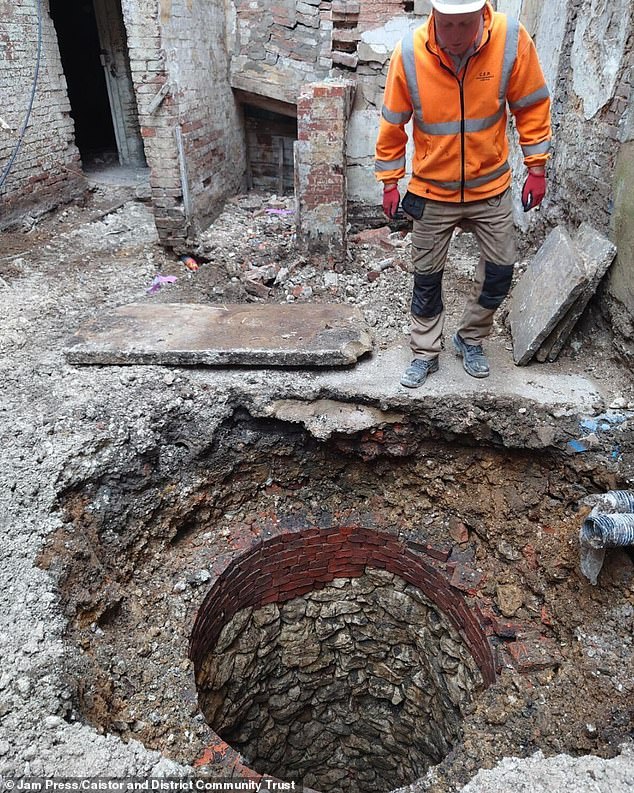
Builders renovating a shop in Caistor, Lincolnshire, discovered a Roman well (pictured) dating back 2,000 years in its courtyard
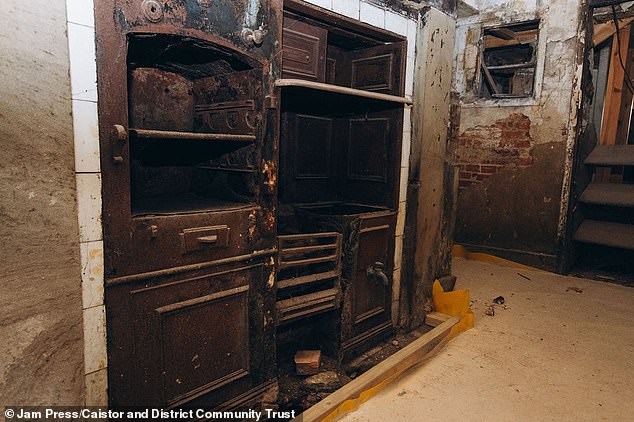
Wall panels and timber works dating back to the Georgian era were also discovered at the site
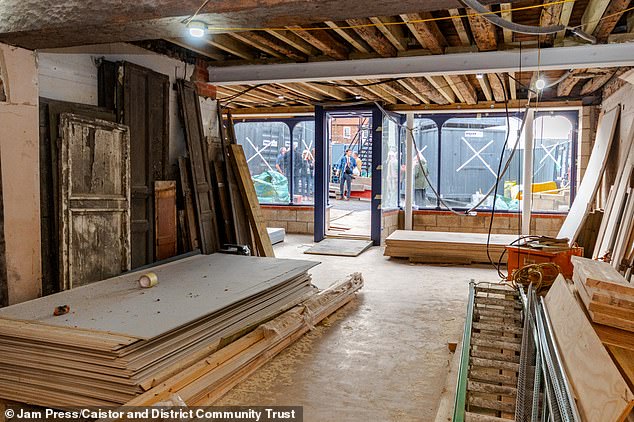
The building where the well was uncovered (pictured) is being renovated to provide retail, meeting spaces and holiday accommodation as part of a heritage hub
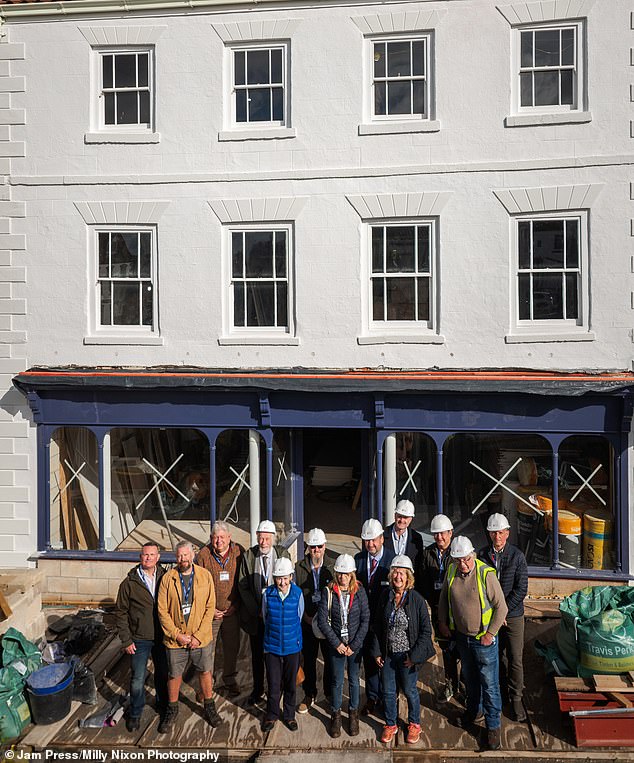
The shop which is being renovated was built during the Georgian era
Caistor, the Lincolnshire market town, was a Roman stronghold and takes its name from the Latin castra, meaning camp.
The building where the well was uncovered is being renovated to provide retail, meeting spaces and holiday accommodation as part of a heritage hub.
Work is expected to be completed in the summer.