The UK needs domestic civil nuclear capabilities in many more ways than most people imagine. Far beyond the opportunity to give us energy independence, by re-investing in civil nuclear technologies which UK scientists pioneered, there is also a vital and growing demand for nuclear based treatments and diagnostics to deliver modern medicine. And the supply is more precarious than anyone has dared to say. So, stepping up to secure that supply for our healthcare needs is both a strategic necessity and an economic opportunity.
Over 700,000 people every year depend on nuclear-based health treatments and diagnostic tools without even realising it. Treatments, detection and diagnostic tools for cancer, heart disease, thyroid disease, kidney disease, arthritis and increasingly for conditions relating to brain activity such as Alzheimer’s or epilepsy require radioactive nuclear material to deliver care to patients.
We have known for decades about X-rays — trace amounts of radio isotopes used to produce the contrast needed in imaging so doctors can spot what doesn’t look right in our bodies. There is significant research going on to expand all these treatment methods, now personalised to individualised patient pathways, and so the use of nuclear material in medicine will increase significantly in the years ahead. And not just for us in the UK.
Widespread use of nuclear materials in medicine dates from the 1950s and use has expanded steadily over that time — but growth is stronger than ever as scientists progress solutions to previously intractable health problems, and global use is growing at 5 per cent year on year.
Here in the UK, we have limited domestic supply of isotopes used in x-rays (only enough to cover about 40 per cent of our demand) and no domestic supply for therapeutic isotopes. The very small number of facilities we depend on in Europe are ageing, raising increasing concerns about their future reliability. Indeed, there are already reported shortages resulting in delays to treatment. The situation looks set to get worse — almost two-thirds of the overseas capacity we rely on in this area is set to be decommissioned by 2030.
The very nature of nuclear-based materials means they can’t be transported long-distances, so the case for domestic supply is very strong. By taking the lead in securing a future of nuclear isotopes for medicine the UK has the opportunity to both secure our domestic supply and resilience in this increasingly important area of medicine and to generate an enormously exciting export opportunity — boosting the economy and generating good jobs, while also boosting the supply resilience of many of our neighbours and allies.
We used to lead the world in nuclear energy generation
At Policy Exchange’s Nuclear Enterprise Commission we have been researching aspects of Britain’s civil and defence nuclear capabilities and the strong links between the two. We used to lead the world in nuclear energy generation, but our own excessive regulation over decades, and a lack of sustained political will until a renewal based around Net Zero energy solutions since 2019, had made us increasingly dependent on other countries — something the Commission is challenging to find practical policy ways of addressing.
For decades, the potential to develop our domestic nuclear capacity, securing our medical supplies and generating cheap, reliable, stable clean energy has been held back because of a fear of the word “nuclear.” It is clear to me from the work we are doing in the Commission that this situation needs to change. In an increasingly unstable world, much more urgent attention needs to be given to securing the supply of those things which we rely on most. Energy and medicines are right at the top of this list.
Certainly, when it comes to domestic civil nuclear capabilities we need to accelerate in ramping-up supply. This requires strong and clear political leadership which is courageous enough to make the case for renewed social license for a much larger civil nuclear programme in the UK.
It is highly encouraging that this is starting to come forward now that the Government has concluded the SMR competition and investment in Rolls Royce SMRs is in train. This has further to go so that all nations of the UK can get the benefits of stable clean energy and the opportunities for businesses to invest alongside — from powering new data centres to cheaper domestic costs. But we need to gear into build and generation faster. Our industrial base needs it, our households need it, and innovative businesses yet to exist need it.
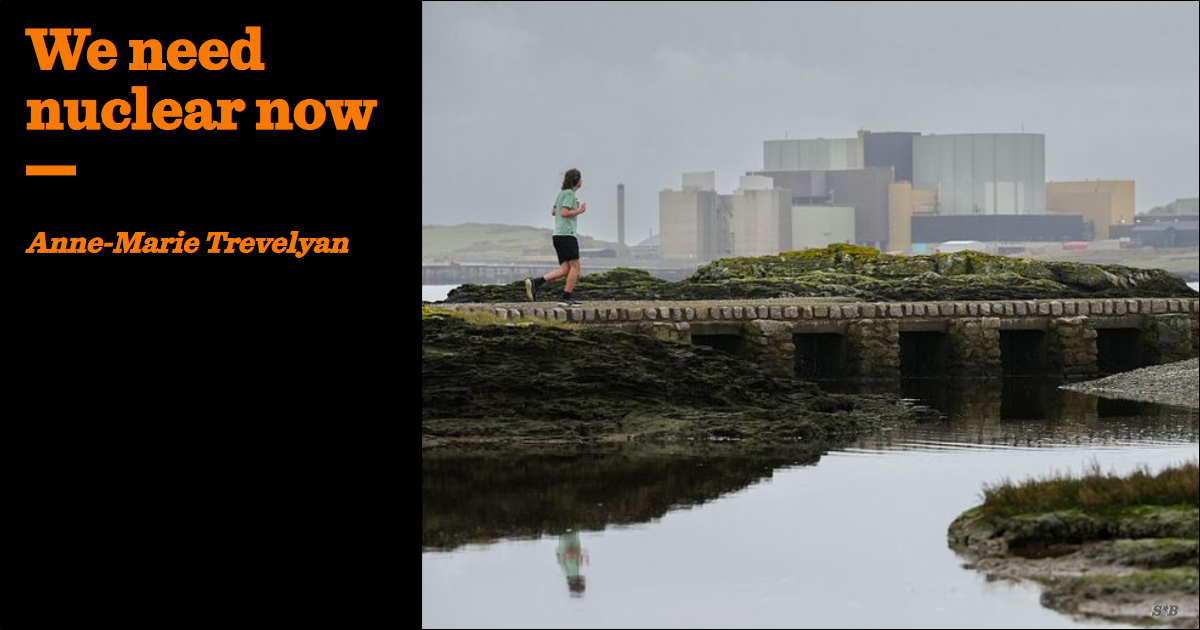
Ministers have now also recognised the importance of a reliable supply of nuclear-based medicines in healthcare and signalled a willingness to working with industry, the profession and devolved administrations to understand future needs. But so far Government interest has stopped short of outlining any action to build domestic supply. A recent House of Lords Ministerial commitment to engage around potential supply again stopped short of support for facilities like the proposed Advanced Radioisotope Technology for Health Utility Reactor (ARTHUR) project in North Wales. This is a Welsh government proposal for a purpose-built reactor in Gwynedd intended to be a global centre for excellence in nuclear medicine production, producing jobs and fulfilling domestic and export needs.
It is frustrating that projects like this one, first proposed in 2023, and so urgently needed are taking so long to get assessed, much less funded, supported and navigated through the dozens of regulatory obstacles, even as the domestic need, and instability of our supply, grows by the day. We need government to champion and invest in rebuilding our position as a global nuclear leader — to keep the lights on, to keep the existing requirements for medical supplies secure, and to make the most of the huge global economic opportunities this technology presents to the UK’s economy and growth potential.
Investing for our future has never been more important than in nuclear.