CASES of ‘dirty hand disease’ have exploded across some of Brits’ favourite holiday hotspots, tripling in just a few months as a major outbreak of the potentially fatal infection rips through Europe.
More than 6,000 people have now been infected with hepatitis A in 2025 so far, up from just 2,100 in June, with dozens killed and UK holidaymakers among those affected, new figures suggest.
The virus is ripping through communities in Czechia, Slovakia, Austria and Hungary – all popular with British tourists – with cases surging among children.
It is spreading fastest among unvaccinated people living in poor conditions – including homeless people and drug users – where sanitation is limited and the bug can thrive.
This is because the virus lives in the faeces of infected people and can be passed on via unwashed hands, hence why Czech health chiefs nicknamed it ‘dirty hands disease’ in a statement issued back in May.
It can also spread through food or water, but European health chiefs say this outbreak is not food-related and is being fuelled by person-to-person transmission.

The crisis is being driven by two fast-spreading strains of the virus – known as ‘cluster A’ and ‘cluster B’ – which are now circulating across the continent, according to the European Centre for Disease Control (ECDC) most recent disease threat report.
Neither appears to cause more severe disease, but ‘cluster A’ is impacting Hungary and Austria, with linked cases appearing in Germany, while ‘cluster B’ is sweeping Czechia and Slovakia before spilling into Austria, Sweden and even the UK via returning travellers.
At least 39 people have died this year up to October, mostly vulnerable adults with underlying health issues.
In the report published last week, ECDC officials warned the true number of cases is likely far higher because many people have no symptoms, which also makes it easier for the virus to spread unnoticed among crowds.
But in severe cases, it can lead to liver failure, which can be fatal.
This is because the virus inflames the liver, stopping it from working properly. This means it can’t clear a substance called bilirubin from the body.
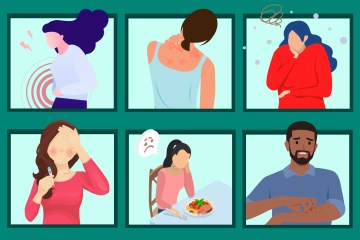
Symptoms usually appear two to six weeks after infection and often start with fatigue, nausea, stomach pain, fever, and loss of appetite.
As the disease progresses and bilirubin builds up, it causes jaundice, making the skin and whites of the eyes turn yellow. It can also lead to dark urine and cause itchy skin.
Which countries have been affected?
Slovakia has been worst hit by the outbreak, reporting 2,482 cases in 2025 – the highest of any country – after repeated flare-ups since 2022 in deprived areas where vaccination rates are low and hygiene conditions are poor.
Czechia is close behind, logging 2,310 infections, up from just 636 last year, marking its biggest outbreak in decades.
Austria has recorded 216 cases so far, with Vienna at the centre, while Hungary has logged 1,548 infections, many in young children.
Germany has detected cases genetically identical to the Hungarian strain, while Sweden has reported infections in adults and children returning from summer trips to Czechia and Hungary.
The UK has also seen more than 40 travel-linked cases, with Brits bringing the cluster B strain home after holidays.
How to stay safe
The hep A vaccine isn’t routinely offered to children in the UK, meaning many people could be unprotected.
But it is available on the NHS for those at higher risk, including men who have sex with men, healthcare workers, people with long-term liver disease or blood-clotting disorders such as haemophilia, and anyone who has recently been in close contact with a confirmed case.
It’s also advised for Brits travelling to places where hepatitis A is more common.
While this usually means parts of Africa, Asia, the Middle East and Central or South America, health officials say travellers heading to Czechia and neighbouring European countries should now take extra precautions.
Not all GP surgeries provide travel jabs, so holidaymakers may need to visit a specialist travel vaccine clinic.
Czech health officials have already urged tourists to check their vaccination status before visiting.
“In the current epidemiological situation, we recommend getting vaccinated before the start of holidays and vacations,” Dr Barbora Macková, chief hygienist and director of the SZÚ, warned earlier this year.
Travel Health Pro, the UK government’s travel-health service, is also advising visitors to affected countries to practise strict hygiene, including washing hands thoroughly with soap and water after using the toilet and before eating.
People whose work exposes them to the virus, such as healthcare or sewage workers, are also eligible for the jab.
Anyone unsure whether they need a hep A vaccine should speak to their GP or a travel-health clinic before travelling.
What are the symptoms of Hepatitis A?
Symptoms can include:
- Feeling tired and generally unwell
- Joint and muscle pain
- A high temperature (fever)
- Loss of appetite
- Feeling or being sick
- Pain in the upper-right part of your tummy
- Yellowing of the skin and eyes (jaundice)
- Dark urine and pale stools
- Itchy skin
Source: The NHS