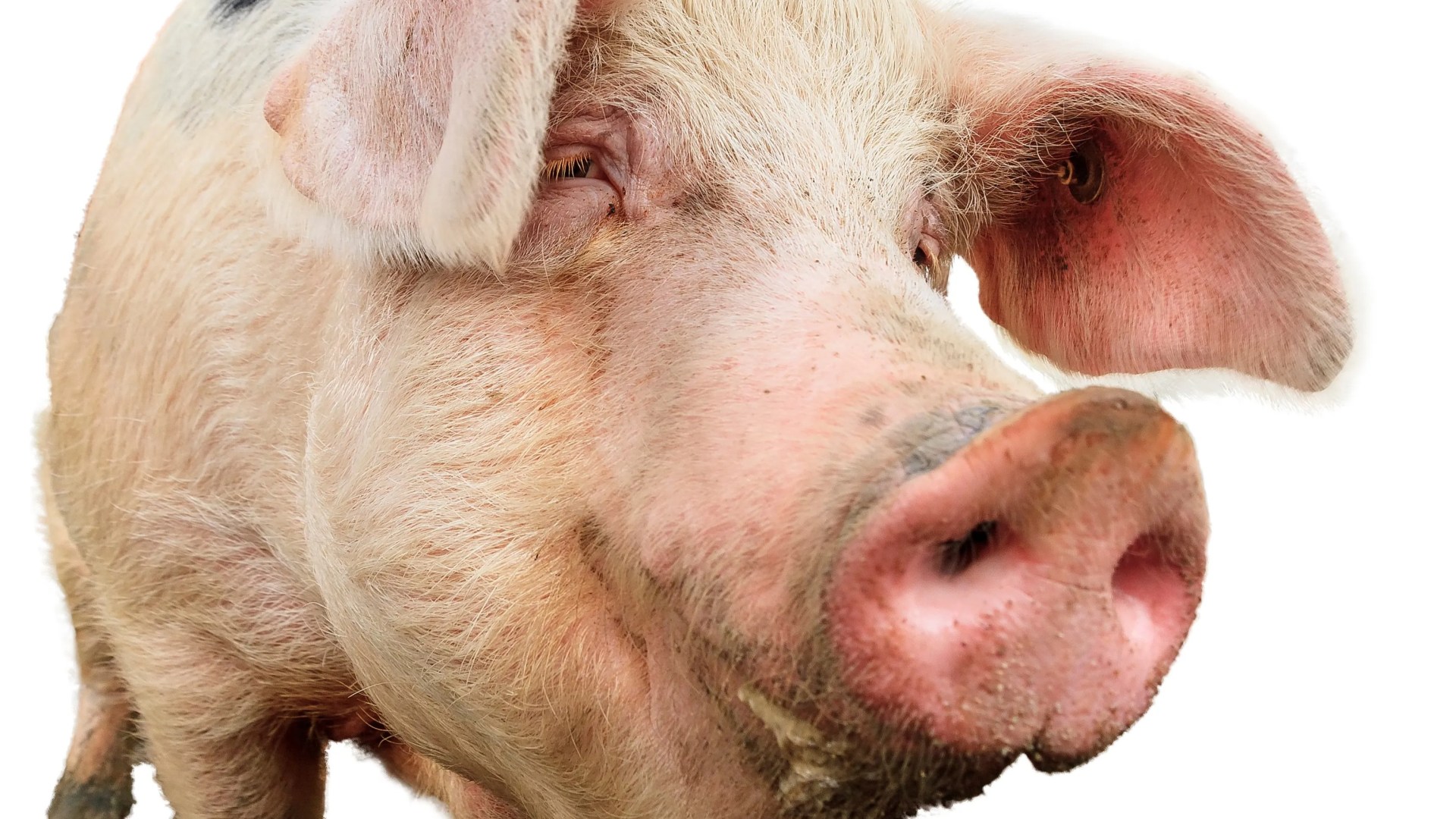
PIGS will be farmed for human transplant organs within two years to beat global donor shortages.
A leading US firm revealed it intends to build a huge medical facility to rear enough porkers to supply 6,000 hearts, kidneys and other vital parts per year by 2028.
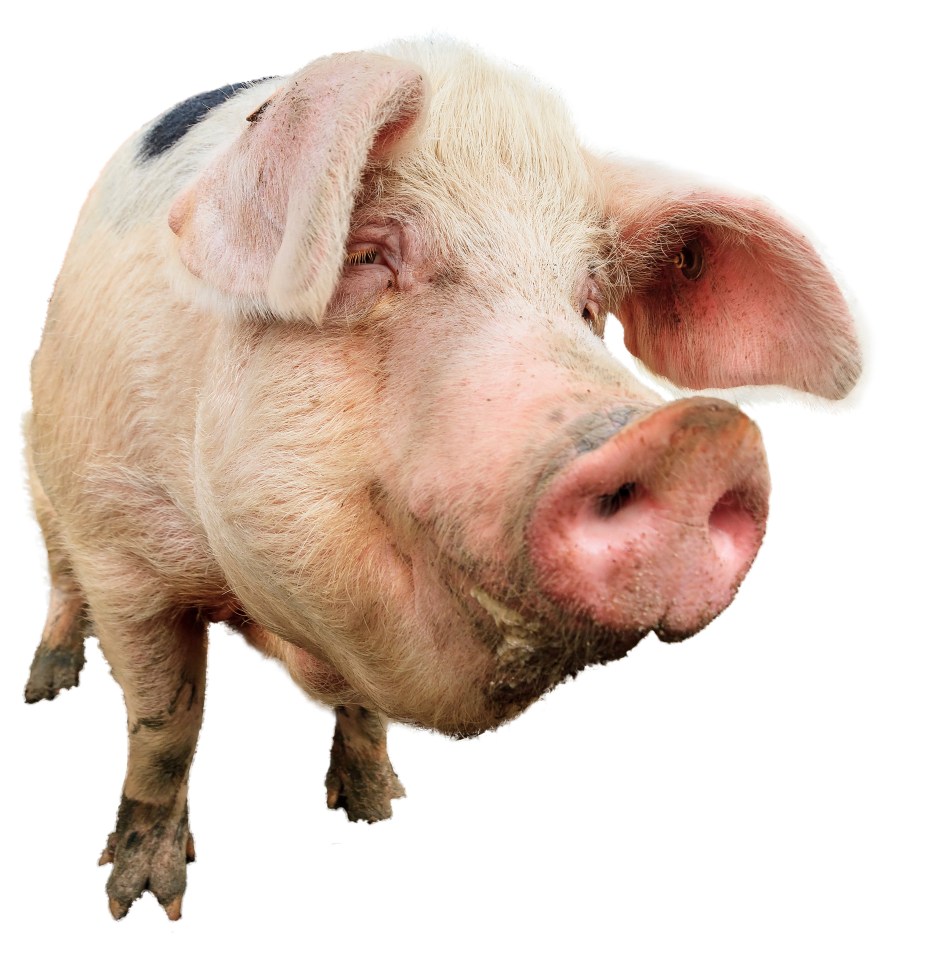
The United Therapeutics animals have their DNA edited to reduce the risk of rejection by a patient, and organ growth is controlled so they remain human-sized.
A record 8,200 patients are on the NHS transplant waiting list, but donations are falling.
Countries around the world, including the USA and China, face the same shortages.
Demand is greatest for kidneys as they fail due to a number of conditions such as diabetes, heart disease or high blood pressure, which now affect millions of Brits.


In recent breakthroughs for xeno-transplants — the term for using organs from different species — surgeons gave terminally ill patients a kidney, heart, lung or liver from a lab pig.
They can bridge the wait for a human donor, but scientists hope to fine-tune the procedure so the pig organs last for years.
United Therapeutics’ chief scientific officer Dr David Ayares said: “There continues to be an incredible shortage of organs.
“We see xeno-transplantation as one of the solutions.”
The firm will this year trial pig heart transplants for the seriously ill.
It had previously only treated no-hope patients just days or weeks from death.