BRITISH troops are being readied to deploy to Ukraine with peace talks now more advanced than ever, the UK’s Defence Secretary has declared.
The US-led push for an end to the gruelling conflict is rapidly advancing with Washington‘s latest attempt to secure a deal coming in the form of a fresh ultimatum for Kyiv.
The US told Ukraine to accept its “platinum” peace deal consisting of major security guarantees or risk losing them all completely.
Officials compared the deal to the Nato-style guarantees in Article 5.
The protective measures will also involve Ukraine‘s closest allies in the alliance including Britain after world leader met up on Monday in Germany.
Washington hopes the deal will keep both sides happy after Moscow demanded Ukraine can never be allowed to join Nato.
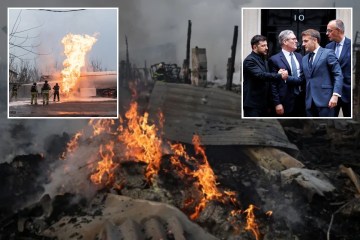
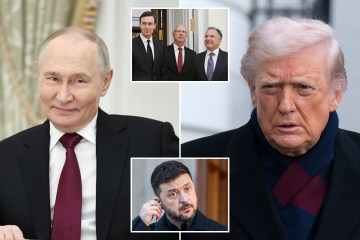
In return, Ukraine must agree to cede territory to Russia.
Volodymyr Zelensky confirmed the US and Europe were prepared to offer Ukraine security guarantees to preserve a ceasefire with Russia.
The Ukrainian president added that he believes the US should also impose a warning to Putin should he not agree to the security guarantees.
He announced: “I believe the United States will apply sanctions pressure and provide us with more weapons if [Putin] rejects everything.
“I think that would be a fair request from us to the Americans.”
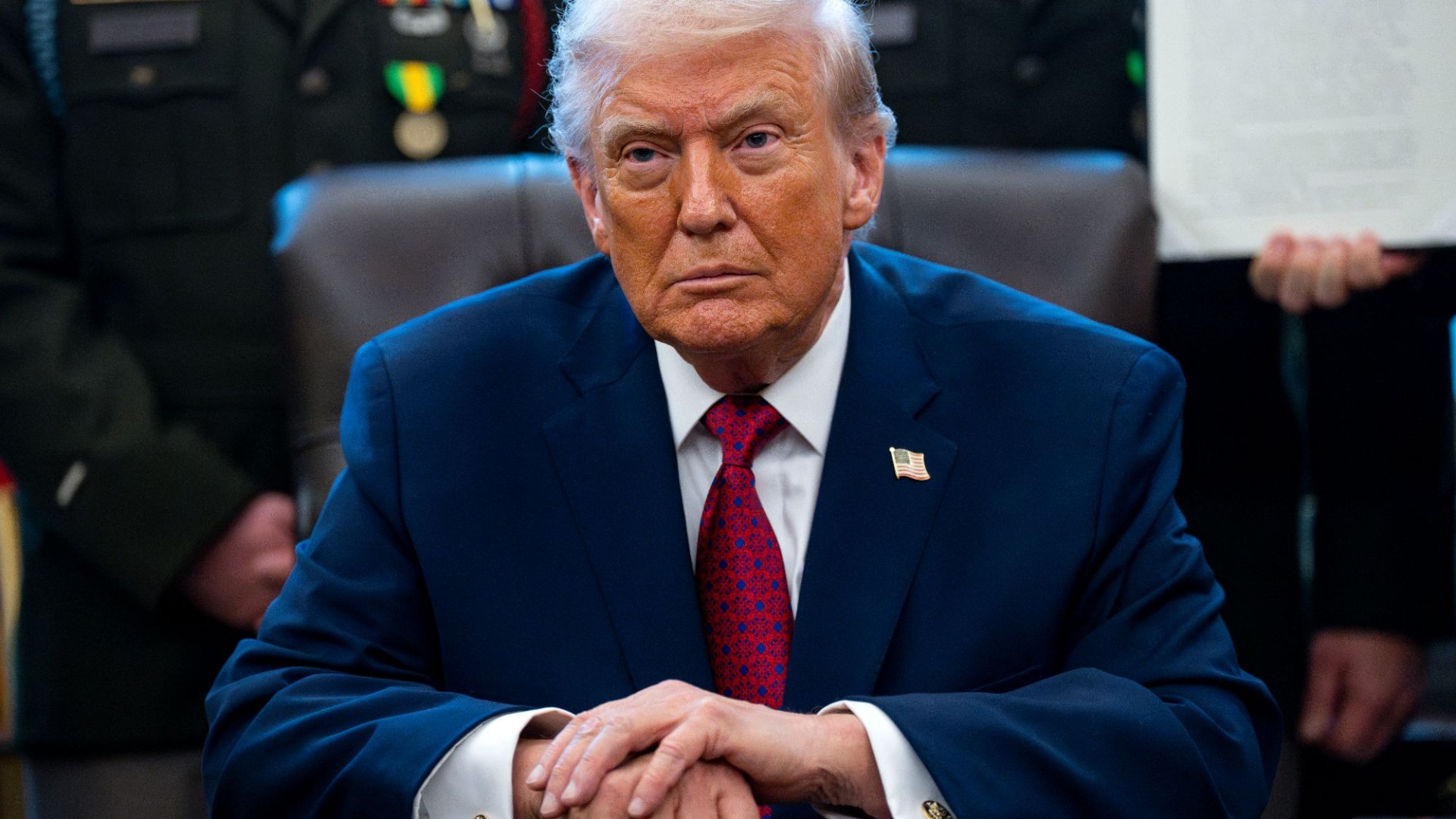
Speaking on Monday, Trump praised the gathering in Berlin for the progress made as he said: “I think we’re closer now than we have been – ever.”
He added that he has been in contact with Vladimir Putin as the US continues to play mediator.
A US official corroborated the positive progress, saying that 90 per cent of issues between Russia and Ukraine were solved in the latest round of talks.
But a US official said on condition of anonymity that the US-backed security arrangements may only be available short term.
They said: “Those guarantees will not be on the table forever. Those guarantees are on the table right now if there’s a conclusion that’s reached in a good way.”
Also spoken about in Germany was foreign troops in Ukraine once a deal has been ironed out.
Britain’s Sir Keir Starmer, President Emmanuel Macron of France and a host of other European leaders all announced a plan for a US-backed “multinational force of Ukraine”.
Willing nations would deploy troops partially inside Ukraine and involve air defence units “supporting safer seas”.
UK Defence Secretary John Healey spoke on the plan as he said today that we are at a “major moment” in the war.
He said he is directing funding to prepare UK troops to be “ready to deploy when peace comes”.
Troops will be on the ground and jets will take to the air to ensure Putin sticks to the ceasefire.
But Healey warned peace will only come if Russia is forced into it through punishments and the allies unequivocal support for Ukraine.
The UK will invest a bumper £600 million to Ukraine so they can deploy air defence systems, missiles and automated turrets to shoot down enemy drones.
The UK will also help to train Ukrainian soldiers alongside other nations.
Healey added: “We must step up our support still further, to put pressure on Putin to do a deal, but also to protect the Ukrainians during the winter months.”
He said that if the signs continue to be positive over both sides wanting a lasting peace then a deal could even be signed off before 2026.
Speaking as he chaired a virtual meeting of the Ukraine Defence Contact Group (UDCG) alongside German defence minister Boris Pistorius, Healey said: “And if Putin chooses to continue this war into next year, our message to Moscow is clear.
Six key points in security guarantees for Kyiv
- Permanent military support – Ukraine will maintain a powerful army — up to 800,000 troops even in peacetime
- Multinational forces led by Europe – Within the “Coalition of the Willing,” with US support, forces will be created to restore Ukraine’s Armed Forces, protect the skies, and ensure maritime security. Operations inside Ukraine are possible
- Ceasefire monitoring – The monitoring mechanism will be led by the United States with international partners involved.
- Legally binding security guarantees – Any new attack on Ukraine will automatically trigger a response — military, intelligence, economic, and diplomatic.
- Reconstruction and funding – Frozen Russian assets in the EU will remain blocked.
- Path to the EU – Europe officially confirms its support for Ukraine’s accession to the European Union as a cornerstone of long-term security.
“The UDCG will only grow stronger, more united and get even more kit into the hands of Ukrainian fighters during 2026.”
Zelensky has even offered to accept a temporary ceasefire over Christmas to stop the winter bloodshed.
Putin’s puppets in the Kremlin have already signalled that they won’t agree to any suggestion of a Christmas truce.
Spokesman Dmitry Peskov said on Tuesday: “We want peace. We don’t want a truce to give Ukraine a breathing space and prepare for a continuation of the war.
“We want to stop this war, achieve our goals, secure our interests, and guarantee peace in Europe for the future. That’s what we want.”
Major sticking point
Even with the strong security guarantees, the control over eastern Ukrainian territory remains the biggest challenge for negotiators.
“There has been sufficient dialogue on the territory, and I think that, frankly speaking, we still have different positions,” Zelensky told reporters on Friday.
Russia has long demanded Ukraine hand over the whole of the Donbas region in exchange for peace.
But Zelensky maintains there is no “constitutional” or “moral” right to cede land to the invaders.
Last week, he said the Ukrainians should have the final word on if they give up land – and the decision could now fall on the people through a referendum.
Kyiv says the status of the eastern Donetsk region and future control over the Zaporizhzhia nuclear plant were the two key points of contention in the peace talks.
Putin has vowed to seize the Donbas region by force if no peace deal was found.