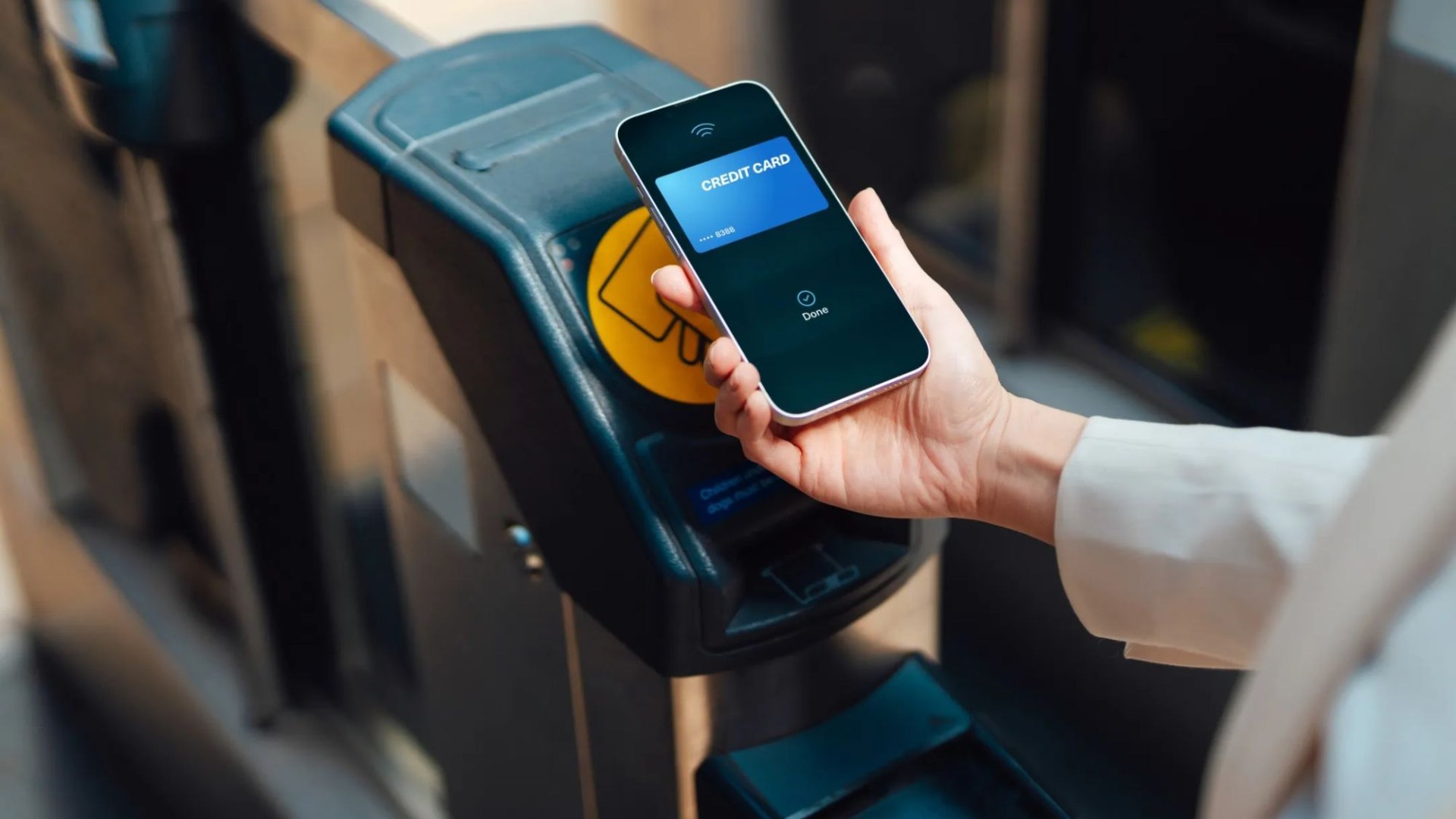
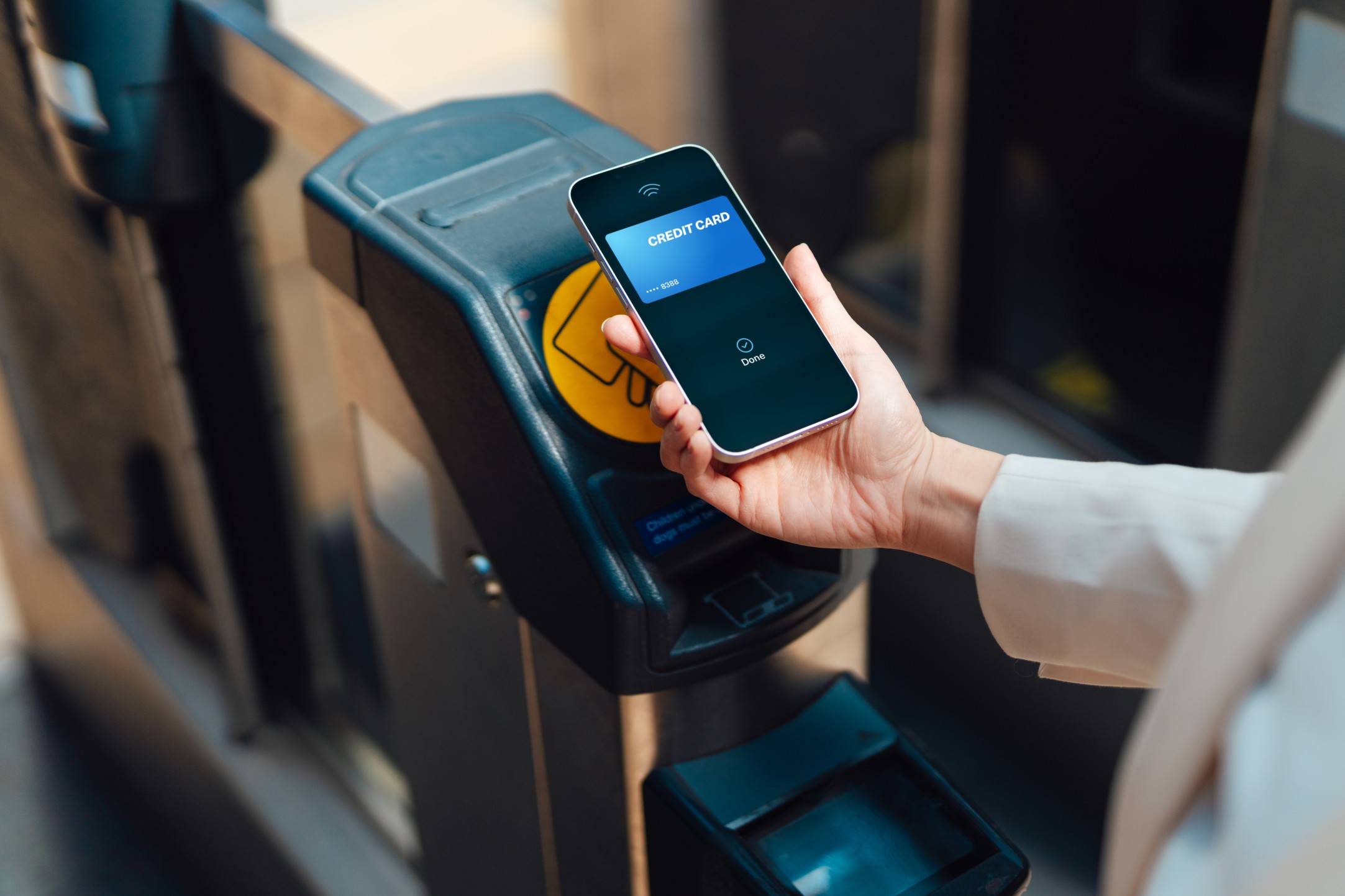
RAIL passengers in south-east England are facing higher fares on certain journeys following the rollout of contactless pay-as-you-go payments to dozens of additional stations.
The system allows travellers to tap in and out using a bank card or contactless-enabled device, eliminating the need to buy a physical ticket in advance.
However, to align with Transport for London’s (TfL) contactless structure, peak and off-peak time restrictions have been adjusted, meaning some services previously eligible for cheaper off-peak tickets now require more expensive peak or anytime fares.
The changes were introduced to 30 more stations on December 14 as part of the Department for Transport‘s (DfT) Project Oval.
Rebecca Paul, the Conservative MP for Reigate, warned that the new rules risked “pricing passengers out of rail altogether”.
She said: “This change should make rail travel easier, not more expensive or confusing.

“Reigate passengers deserve the benefits of modern ticketing, but I will not stand by while my constituents face higher fares and fewer affordable travel options.
“Many people rely on off-peak travel to keep costs down and quietly narrowing the definition of what counts as off-peak risks pricing passengers out of rail altogether.”
On weekday mornings, the first Southern service from Reigate to London that qualifies for an off-peak day travelcard now departs at 09:28, rather than 08:58 previously.
Confusingly, passengers boarding the same 08:58 train just five minutes later at Redhill can still use an off-peak ticket.
An anytime day travelcard costs £37.10, compared with £20.60 for off-peak.
There are also new restrictions on off-peak travel between 16:00 and 19:00.
The rollout has additionally resulted in the removal of the cheapest super off-peak tickets from some stations.
One passenger, a member of the Reigate, Redhill and District Rail Users’ Association, described the situation as “ridiculous” and said he would cycle to Redhill instead of paying the higher fare.
Steve Trigg, an organiser of the association, said the situation is “complex” and has caused “massive problems because the DfT won’t talk with ordinary people using the services”.
Lobby group Railfuture highlighted that contactless payments can cost up to twice as much as paper tickets on certain journeys, as railcard and child discounts cannot be applied.
For example, a family travelling from Luton to central London could pay £84 using contactless, compared with £41.70 using discounted paper tickets.
Train operator Govia Thameslink Railway (GTR) insisted the changes were not designed to increase revenue overall.
A spokesperson said: “To introduce pay as you go with contactless, we have to align the way fares are structured with those of the wider TfL contactless system.
“Peak and off-peak timing has to match with the TfL system as well.
“We understand how, for some people, this means fares will rise, but for many others they will fall.
“Overall, these changes are not designed to increase the amount of money generated from ticket sales.”
GTR pointed to savings for some passengers, such as a weekday off-peak single journey from Reigate now costing £7.50–£7.60 instead of £14.60 previously.
A DfT spokesperson said: “Contactless ticketing means passengers are benefiting from simpler, more flexible travel and the majority of single tickets will be the same price or even lower.
“We have brought ticketing in line with London’s ‘best price promise’ to make it easier for passengers, so they can be confident they have the best fare on the day of travel.”