It is the luxury London fashion house that designed some of the Princess of Wales and Duchess of Sussex’s most famous dresses – as well as the gown worn by former Tory cabinet minister Penny Mordaunt to King Charles’s Coronation.
But glamorous label Safiyaa is facing allegations that fabric workers who made many of its stunning outfits are owed tens of thousands of pounds by a supplier that ran a factory in Turkey.
Fifty cutters and machinists are said to be owed up to three months’ unpaid wages and redundancy money, which was allegedly due after the studio in Istanbul where they worked suddenly closed in April.
The Mail on Sunday has been told that 14 staff are still owed between £2,600 and £9,000 each by the supplier, while others have received a fraction of the money due after a payment Safiyaa described as a ‘good-faith gesture’.
Last night furious former staff accused the company, which sells dresses for up to £5,000 each, of leaving them jobless and struggling to support their families.
Kadir Ates, 43, a supervisor who cut the fabric for Dame Penny’s Coronation dress, told the MoS: ‘We want to stand up for people’s rights and justice, and we want the Royal Family in the UK to know what has happened to us. Perhaps they can do something to help us.
‘We are going to be chasing this until the end. We just want what we deserve, and nothing more. We feel we’ve been abused.’
Safiyaa said the Turkish factory was an independent third-party supplier and had sole responsibility for its workforce, including wage payments.
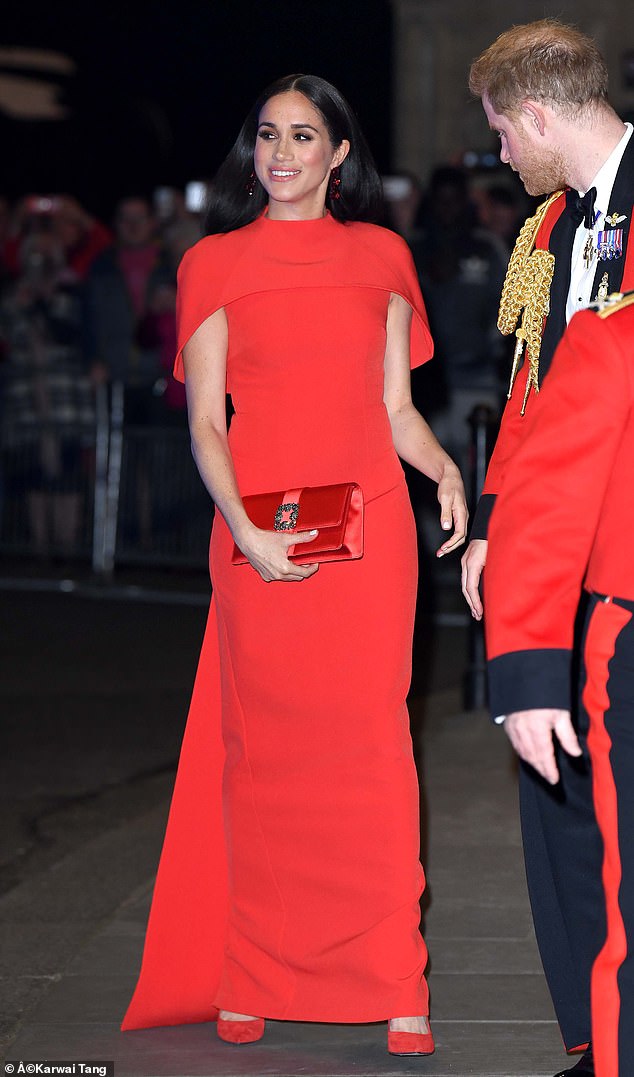
Safiyaa created the £1,295 scarlet dress worn by Meghan when she and Prince Harry attended a concert at the Royal Albert Hall in March 2020
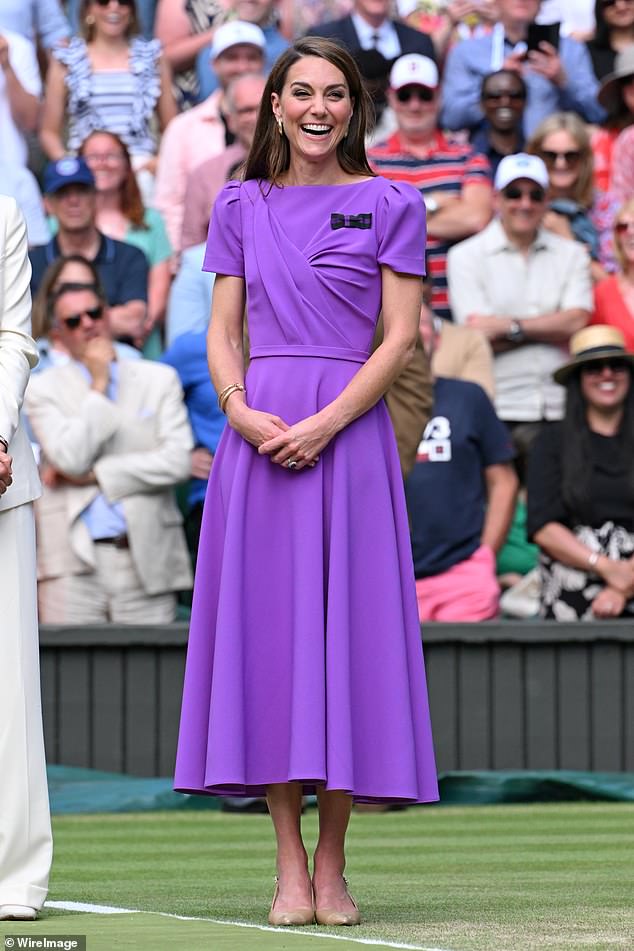
Meanwhile, the Princess of Wales wore a purple dress by Safiyaa at Wimbledon last year.
Founded in 2011 by German-born Daniela Karnuts, the label also created the £1,295 scarlet dress worn by Meghan when she and Prince Harry attended a concert at the Royal Albert Hall in March 2020 – one of their last Royal engagements before leaving the UK.
Meanwhile, the Princess of Wales wore a purple dress by the designer at Wimbledon last year.
Ms Karnuts, 42 who sells her dresses from a private showroom in Mayfair, initially had them all made in a second-floor workshop in a backstreet of Istanbul. Staff say she would visit the factory three or four times a year.
Mr Ates, who started cutting fabric for Safiyaa in 2017, said staff were once paid on time and earned relatively ‘generous’ salaries of around 50,000 lira, or £880 a month.
But problems began in 2019 when the operation of the workshop was taken over by Atelier Nouveau Tekstil Ltd. Workers say the factory was managed by Jalil Teja, whom they alleged was the nephew of Ms Karnuts’s husband Akbar Shamji, a former bankrupt turned crypto investor.
Turkish company records seen by the MoS show that Mr Teja listed his address as a property in Mayfair, which is also linked to Ms Karnuts and Mr Shamji. Separate records reveal the firm was controlled by a former business associate of Mr Shamji, Claudio Ernesto Eusebio Alburquerque.
‘The money problems started after the nephew appeared. He lived in Germany, but would come to see the factory,’ Mr Ates added.
‘We were supposed to get paid on the 5th of the month, but sometimes we might only be paid 10,000 lira, then get another 10,000 lira a few days later.
Join the debate
Do luxury fashion brands hold enough responsibility for how their overseas workers are treated and paid?
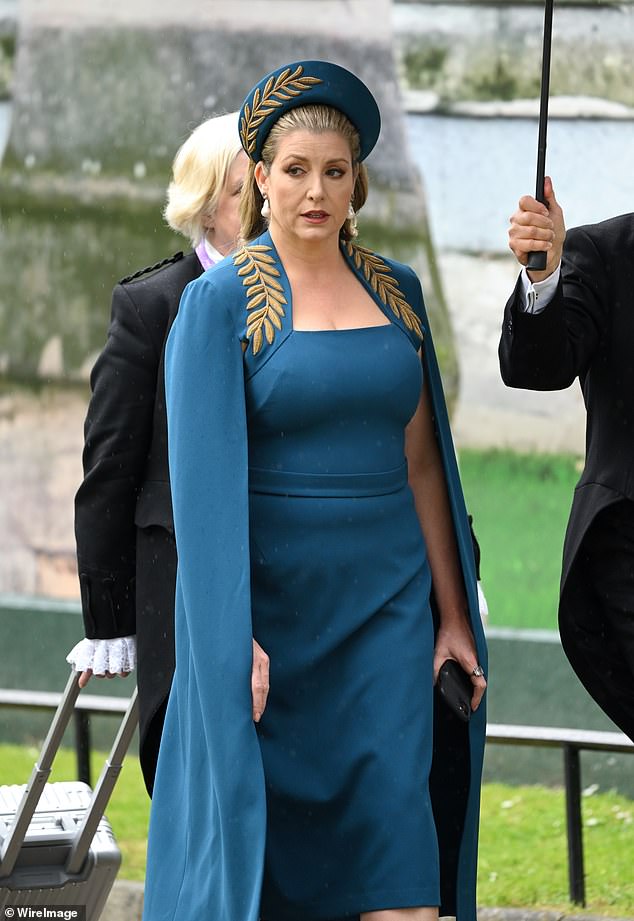
Former Tory cabinet minister, Penny Mordaunt arrives at Westminster Abbey for the Coronation of King Charles III and Queen Camilla wearing a Safiyaa gown

Holly Willoughby is a picture of elegant simplicity in a £1,250 pale blue one-shouldered column by Safiyaa.
‘Sometimes wages were two months’ late. They kept saying, “It’s going to come, don’t worry”.’ However, workers began to be made redundant and in April the factory closed.
Mr Ates said he was promised payment within two months of 456,000 lira (£8,000), which included one and a half month’s unpaid salary, holiday and severance pay – but he received nothing.
He and other former staff messaged Ms Karnuts, urging her to pay. She allegedly replied to Mr Ates in June, saying: ‘Things will be sorted.’
Safiyaa confirmed that Ms Karnuts funded some discretionary payments to staff who were owed wages by Atelier Nouveau, but that this was an act of goodwill and not an admission of liability.
Safiyaa said Mr Teja provided consultancy services to Safiyaa but he was not an employee and the label never owned or operated Atelier Nouveau nor employed any of the workers. The decision to close the factory and make redundancies was taken by Atelier Nouveau, it added.
Mr Teja and Mr Eusebio Alburquerque could not be contacted for comment.