Thousand of Britons are being prescribed super-strength cannabis for anxiety and depression.
Despite experts warning of the dangers, private clinics are handing it out after just one video consultation and boast the powerful drug can be ‘delivered directly to the patient’s door via a next-day service’.
Amid an epidemic of cannabis use on our streets, a Daily Mail audit has found specialist pharmacies are prescribing almost 10,000 different products – including ultra-strong strains imported from Amsterdam with names such as Ghost Train Haze, Dante’s Inferno and White Widow.
Benefits claimants signed off work with mental health problems are offered free consultations and up to 20 per cent off the cost of the drug.
NHS prescriptions are tightly controlled, but dozens of private clinics are handing out 99 per cent of the medical cannabis in Britain.
Marijuana – which the NHS warns greatly increases the risk of severe mental health problems – is routinely being prescribed privately for mental health conditions including anxiety, depression, OCD, mood disorders and ADHD.
Illegal smokers of the drug are even encouraged to contact clinics ‘to see if your usage could be legitimised’ with a prescription.
The whole process is, shockingly, perfectly legal, thanks to loopholes in the law.
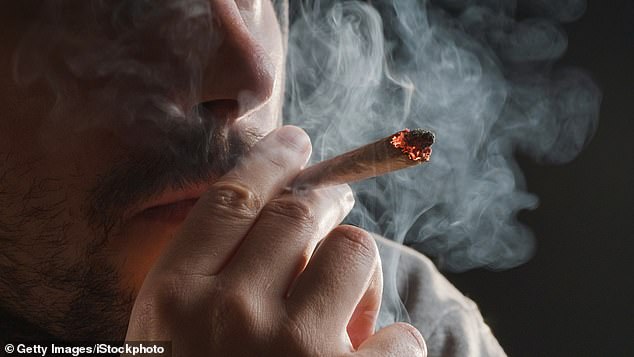
Thousands of Britons are now being prescribed super-strength cannabis for mental health conditions including anxiety and depression – despite the NHS warning that it can increase the risk of mental health problems
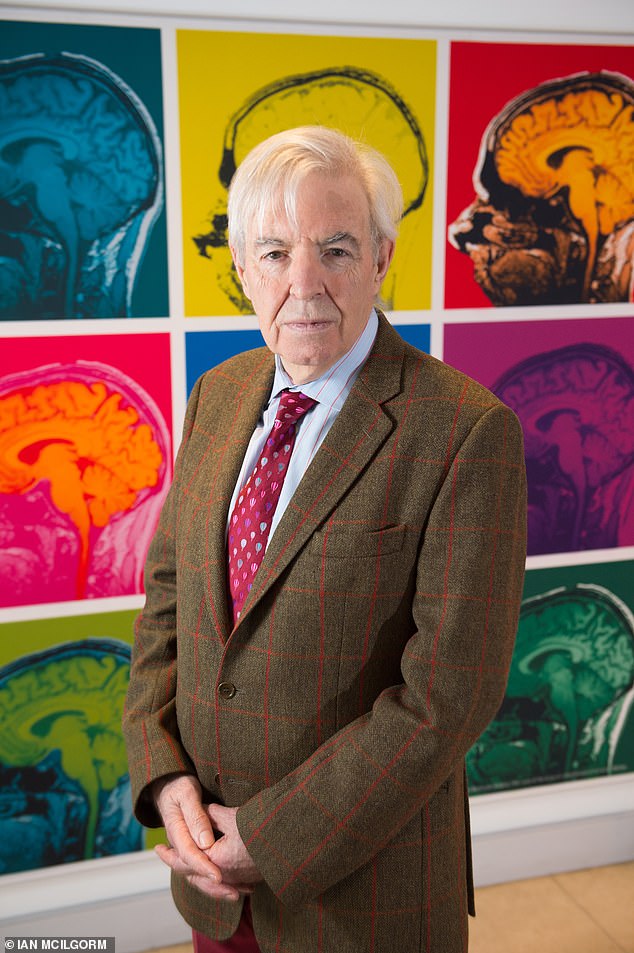
Leading psychiatrist Professor Sir Robin Murray, of King’s College London, described it as an ‘outrageous situation’
The huge rise in high-strength medical cannabis handed out in the past few years raises fears that it is contributing to an increase in drug-induced mental health problems and psychosis that is hammering an overstretched NHS and putting extra strain on police forces.
The de facto legalisation of the drug – with police told not to arrest people for cannabis possession if there are ‘justifiable grounds’ for believing it could be for medical use – has raised concerns that companies exploiting lax regulations have created a pseudo-recreational market.
Data obtained under the Freedom of Information Act shows there were 88,214 unlicensed cannabis products prescribed privately in the first two months of 2025, the most recent data available.
In 2024, there were 659,293 unlicensed cannabis products prescribed – equivalent to almost ten tons of weed – up from 282,920 in 2023, data from the NHS Business Services Authority shows.
Sir Robin Murray, professor of psychiatric research at King’s College London, described it as ‘outrageous’. He said the rising strength of the products posed ‘an increased risk of dependence and psychiatric side-effects’, adding: ‘There are no randomised controlled trials showing that cannabis benefits psychiatric disorders and a lot of evidence that it causes them. It’s a bit like taking alcohol for depression – some people find it helps in the short term but in the long-term it makes things worse.’
Data from one of the largest private clinics, Mamedica, shows that 50.5 per cent of its more than 12,000 patients in the UK are prescribed cannabis for mental health conditions. If this is consistent across the industry, tens of thousands are being prescribed medical cannabis for a mental health condition.
Some private clinics offer free consultations and cut-price ‘weed’ to benefits claimants.
Tory health spokesman Stuart Andrew last night called on the Government to act on the Mail’s ‘extremely concerning’ findings. He said: ‘Ministers must act to tackle this abuse of the system.’
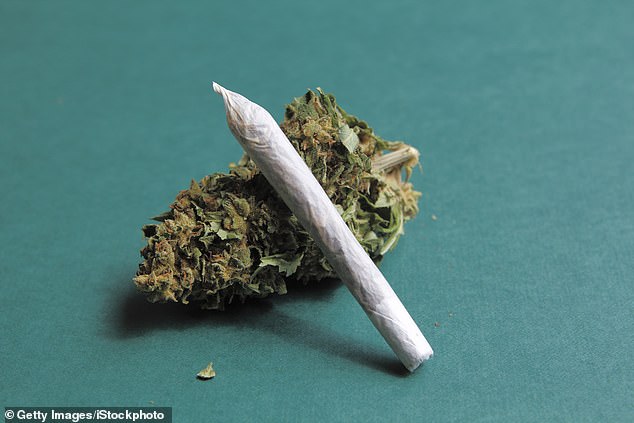
Data obtained under the freedom of information act shows that the total volume of weed prescribed in the UK increased from 2.7 million grams in 2022 to 9.8 million grams – almost ten tonnes – in 2024 (Stock image)
A number of private cannabis clinics offer free consultations and cut-price weed to Universal Credit and Personal Independence Payment (PIP) claimants
Medical cannabis was legalised in 2018 after a campaign to make it available to children with severe epilepsy. Licensed products – which do not contain the whole plant – can be prescribed on the NHS for severe epilepsy, nausea from chemotherapy, or for muscle spasms caused by multiple sclerosis.
But private clinics can legally prescribe unlicensed products, which have not been through strictly controlled medical trials.
Dozens of specialist pharmacies offer products with a THC (the psychoactive ingredient) content of more than 30 per cent. Freedom of Information data shows that the volume prescribed increased from 2.7million grams in 2022 to 9.8million grams in 2024.
It also shows there has been an increase in the number of people being prescribed higher-potency cannabis. The most popular potency in 2022 was between 18 and 22 per cent THC, but in the first two months of 2025, products above 22 per cent made up almost half of prescriptions.
Mamedica said it prescribed based on a ‘strictly regulated clinical and legal framework’, with all prescriptions issued by a registered doctor in accordance with Home Office, MHRA and CQC and requirements. A spokesman said: ‘Prescribing takes place on a named-patient basis by specialist clinicians and operates under established medicines law and regulatory oversight.
‘Mental health is one of the most common reasons patients seek specialist care after conventional treatments have failed. Patients presenting with conditions such as anxiety, PTSD and depression are assessed individually and managed under strict safeguarding and shared-care protocols.’
A government spokesman said: ‘We expect regulators to crack down on those private providers who prescribe to patients without the proper clinical care they need.
‘More widely, we’re also looking at private prescribing to ensure patients have access to high-quality medicines through all legal routes.’