
THOUSANDS of Brits could be living with kidney damage without knowing after using common painkillers, health experts warn.
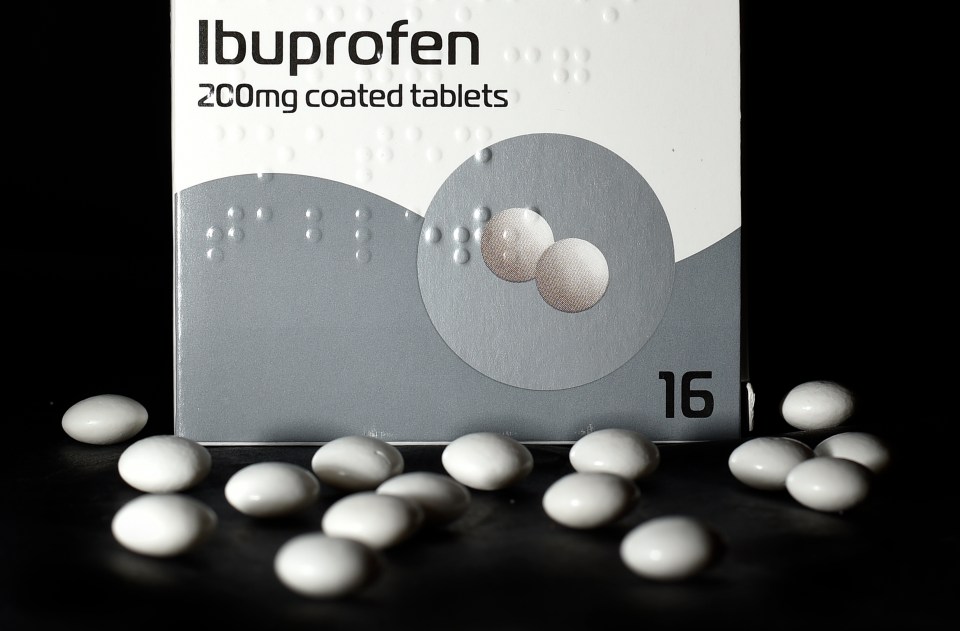
People shouldn’t rely too heavily on anti-inflammatory drugs such as ibuprofen for pain relief due to their impact on kidney function, Kidney Care UK and the National Pharmacy Association (NPA) said.
People with a higher risk of kidney disease, such as diabetics or people with high blood pressure, should be particularly careful.
But even for people with healthy kidneys, taking high doses of pain relievers for a long time can cause damage to the organs, by reducing blood flow to the kidneys or affecting their tissues.
Non-steroidal anti-inflammatory drugs (NSAIDs) such as ibuprofen, naproxen and diclofenac can increase blood pressure and damage blood vessels inside the kidneys.
Olivier Picard, chair of the NPA, said: “Medicines have the power to harm as well as to heal.


“Although NSAIDs, such as ibuprofen, are effective and safe medicines, patients should be aware of their impact – particularly if a patient is at increased risk of developing kidney disease – and consider alternative medication where appropriate.”
About 7.2 million people in the UK are living with some form of chronic kidney disease, where the kidneys slowly get damaged and can’t do important jobs like removing waste and keeping blood pressure normal.
It usually develops slowly and has no symptoms in the early stages.
Patients with advanced disease may experience fatigue, shortness of breath, swollen ankles, feet or hands as well as blood in their pee.
Kidney Care UK estimates that about one million people are undiagnosed.
People with diabetes, high blood pressure, a family history of kidney disease, and those from black and south Asian communities, are all at higher risk of developing the condition.
Uncontrolled high blood pressure can cause arteries around the kidneys to narrow, weaken or harden, so they can’t deliver blood to the kidney tissue.
High blood sugar caused by diabetes can also damage the blood vessels.
Fiona Loud, policy director at Kidney Care UK, said: “Kidney disease can happen to anyone at any time, and can have a devastating impact on your life, relationships, finances as well as your physical and mental health.”
Many people may not know they have – or are at risk of kidney disease – and not know how to avoid or be careful with NSAIDs as a result.
Kidney Care UK conducted a kidney health checker survey of 294,999 people between October 2024 and March 2026.
Almost a quarter (24 per cent) said they regularly used over-the-counter medication for pain relief.
NSAIDs lower the amount of blood that flows through your kidneys.
So, they can lead to acute kidney injury or worsening kidney disease, especially if you’re taking high doses of it or using it long-term.
Signs of chronic kidney disease (CKD)
Chronic kidney disease (CKD) is very common, affecting one in ten people in the UK.
The vast majority of people with CKD do not have any symptoms.
Early stage CKD (one to three)
Most people do not have symptoms in the early stages of CKD, as even damaged kidneys can still work well enough to prevent any noticeable symptoms.
Early stage kidney disease is often diagnosed because of a blood or urine test for a different condition.
Late stages of CKD (four to five)
Symptoms include:
- Weight loss and poor appetite
- Swollen ankles, feet or hands
- Puffiness around the face, especially in the morning
- Shortness of breath
- Tiredness, low energy levels
- Blood in your urine
- An increased need to wee, especially at night
- Difficulty sleeping
- Itchy skin
- Muscle cramps or weakness
- Feeling sick
- Headaches
CKD is usually diagnosed by blood and urine tests.
You may have these tests as part of a routine check-up at your GP surgery or because you are at increased risk of developing CKD because you have other conditions such as diabetes, high blood pressure or heart disease, or a family history of kidney disease.
Source: Kidney Care UK
People with kidney disease are advised to avoid NSAIDs.
Meanwhile, people who have liver disease, heart disease, heart failure, high blood pressure, or who are taking high blood pressure medicines, should do so as well.
Fiona said: “You can lose up to 90 per cent of your kidney function without realising, so it’s important to be aware of the signs to look out for, to know if you might be at increased risk, and what to do if you are concerned.”
You can check your risk of kidney disease with Kidney Care UK’s online kidney health checker.
“It only takes a few minutes to complete,” Fiona notes.
“If you have any concerns, you can raise these with your GP or have a chat with your local pharmacist.”
People who can’t avoid NSAIDs are advised to take the lowest dose for the shortest amount of time possible – as long as it’s been okayed by a healthcare professional.
Meanwhile, options like paracetamol can be safer for the kidneys.
Olivier added: “If a patient has concerns about their usage of NSAIDs, they should speak to their pharmacist who can advise them.
“Pharmacists are experts in medicines and are best placed to offer advice to people who may be concerned about any potential long-term effect of some medicines and can help patients effectively manage pain.”