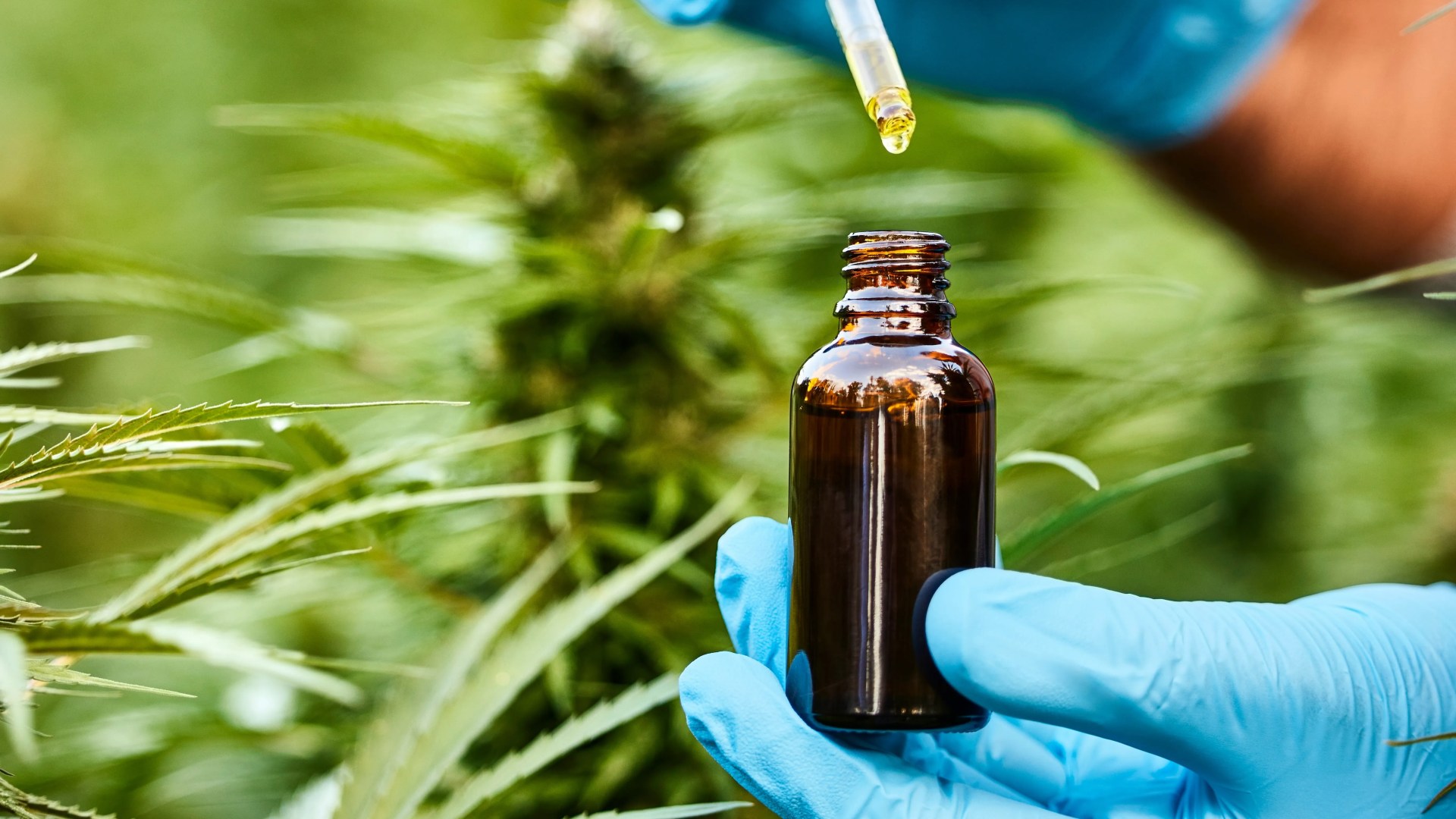
CANNABIS is not effective at improving mental health — despite what its supporters may say, according to a review.
Advocates of medical marijuana have long claimed the drug has a myriad of health benefits, including being able to soothe aches and pains.
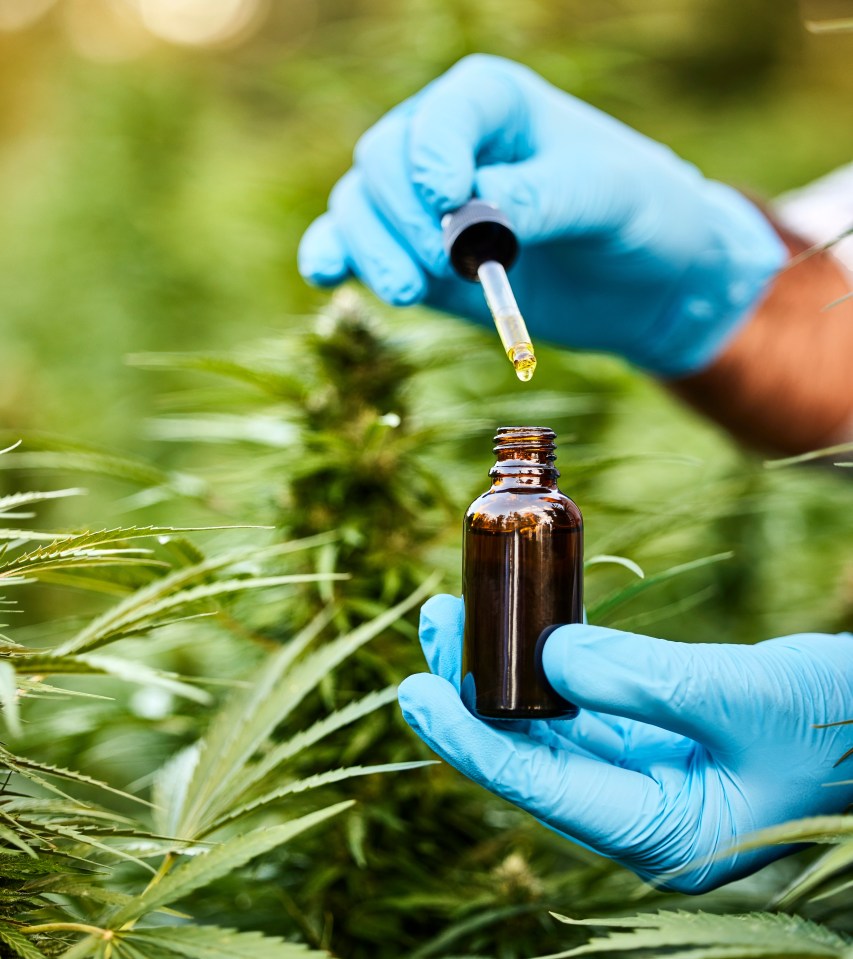
But Australian scientists, who analysed the results of 54 trials, concluded there was little scientifically valid research that it is an effective treatment for mental health conditions.
The review involved nearly 2,500 people who consumed a wide range of cannabis products.
Some of the studies looked at the plant itself, while others looked at CBD oils or synthetic cannabis medicinal products.
Writing in the journal The Lancet Psychiatry, the researchers from the University of Sydney, said: “There was some evidence that cannabinoids can reduce symptoms of cannabis use disorder, insomnia, tic or Tourette’s syndrome, and autism spectrum disorder.
READ MORE ON MENTAL HEALTH

“But the quality of this evidence was generally low.
“Cannabinoids were associated with a greater risk of any adverse events but not of serious adverse events.
“There is a crucial need for more high-quality research.
“But given the scarcity of evidence, the routine use of cannabinoids for the treatment of mental disorders and substance use disorders is currently rarely justified.”
They added: “There should be greater regulatory oversight in the use of cannabinoids as medicines.”
The 54 studies analysed were all published between 1980 and 2025 and involved participants of all ages.
They found almost half of the trials (24) had a “high risk of bias” and the certainty of evidence for most was “low”.
Writing in the journal, the researchers said they found “no benefit” of cannabis products for anxiety, ADHD, bipolar disorder, psychotic disorders, PTSD, OCD, or anorexia nervosa.
However, there was “some evidence” that cannabis products – typically mixed CBD and THC – could reduce symptoms of insomnia, Tourette’s syndrome, and autism.
People who took cannabis products also experienced significantly more side effects compared with people in the trials who had a placebo, they said.
But serious adverse events and study withdrawals did not differ between groups.
In the UK, laws around the medical use of cannabis were relaxed almost eight years ago.
It is available on the NHS under strict guidelines to help control seizures, for chronic pain and to those with the degenerative condition multiple sclerosis — however, just dozens of prescriptions have been issued in the past five years.
In 2024, private cannabis prescriptions doubled — reaching nearly 180,000 — according to the Care Quality Commission (CQC).
THC — one of the main active components found in marijuana — stimulates areas of the brain involved with mood, attention and memory, while triggering the release of the hormone dopamine, responsible for feelings of reward and pleasure.
Small, infrequent doses have little long-term impact, according to studies.
But with prolonged, regular use, signals in these key brain areas can start to go awry.
Studies have shown that frequent cannabis use can increase the risk of serious mental illness like schizophrenia, as well as insomnia, social anxiety disorder and suicidal thoughts.
What are the symptoms of depression?
The psychological symptoms of depression include:
- continuous low mood or sadness
- feeling hopeless and helpless
- having low self-esteem
- feeling tearful
- feeling guilt-ridden
- feeling irritable and intolerant of others
- having no motivation or interest in things
- finding it difficult to make decisions
- not getting any enjoyment out of life
- feeling anxious or worried
- having suicidal thoughts or thoughts of harming yourself
The physical symptoms of depression include:
- moving or speaking more slowly than usual
- changes in appetite or weight (usually decreased, but sometimes increased)
- constipation
- unexplained aches and pains
- lack of energy
- low sex drive (loss of libido)
- disturbed sleep – for example, finding it difficult to fall asleep at night or waking up very early in the morning
Source: The NHS