
This article is taken from the December-January 2026 issue of The Critic. To get the full magazine why not subscribe? Get five issues for just £25.
There is no way to pretend that 2025 was a good year for music. It was tough out there, with two ugly wars being fought in a moral vacuum and Russian agents breaching false walls of Western solidarity. Only New York’s Metropolitan Opera held firm against Putin’s artists.
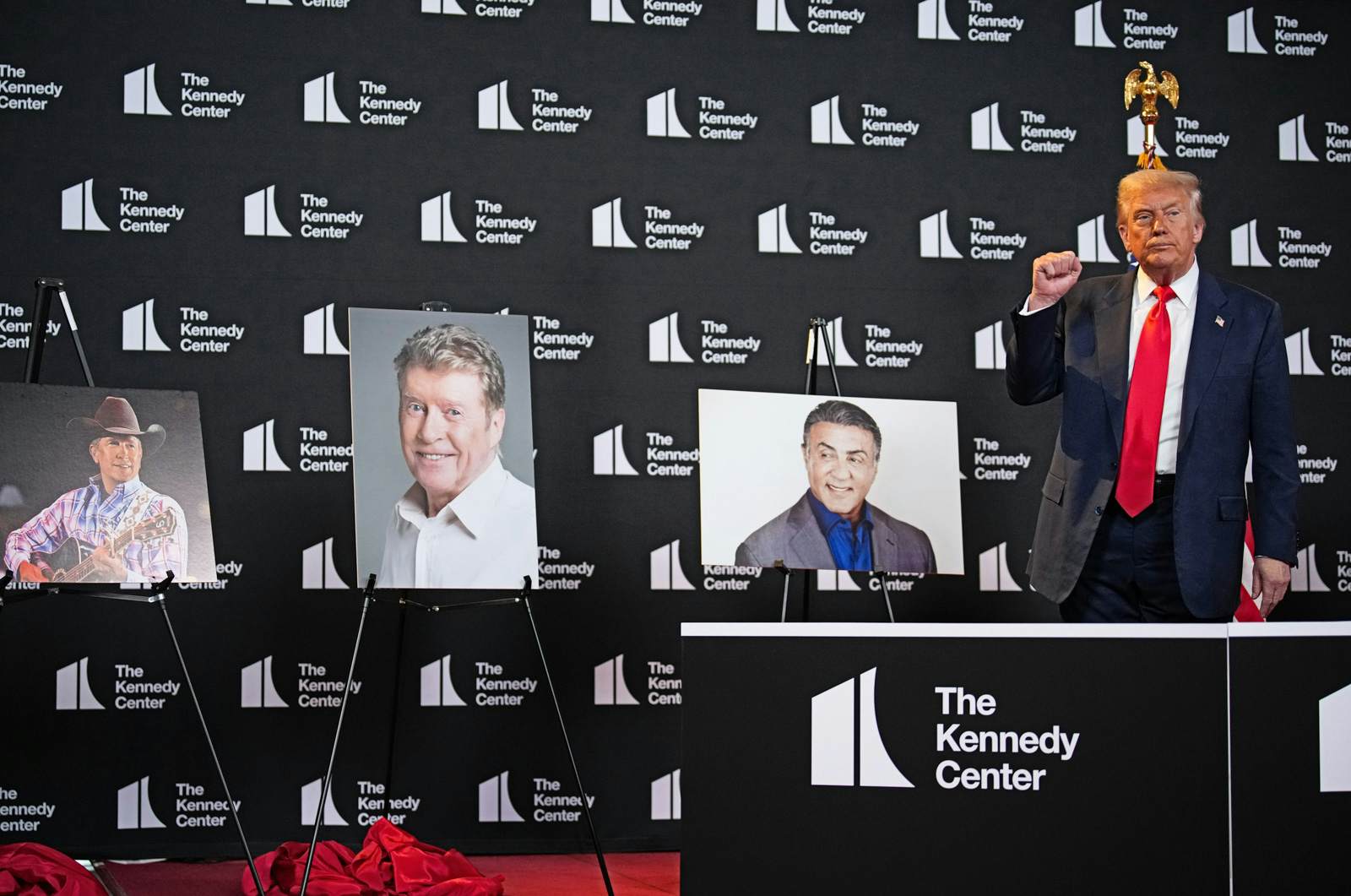
Other institutions crumbled like sawdust. Washington’s Kennedy Center, the nation’s performing arts temple, was taken over by Donald Trump in a boardroom raid. Ticket sales have since fallen by half. Donors have deserted.
Trump and Vance portraits have gone up on lobby walls and the orchestra has been told to play the national anthem before every single concert, a measure normally only invoked in mourning or crisis. Arts freedom? Gone with the wind.
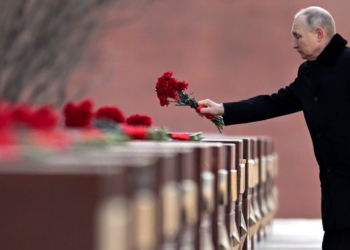
Vladimir Putin, not to be upstaged, empowered Valery Gergiev to run a network of opera houses from St Petersburg to Vladivostok. Gergiev, once a sought-after global conductor, is targeting a comeback next year in border-porous Italy.
The Italian prime minister, Giorgia Meloni, having passed a law to sack opera managers older than 70, installed her best female friend as music director at the historic La Fenice.
The Venice orchestra came out on strike, arguing that Beatrice Venezi lacked experience or competence to direct a house where Verdi premiered five of his operas.
Venezi’s only previous job, as principal guest conductor at the Colon in Buenos Aires, was secured by means of a written request from PM Meloni to the Argentine president Javier Milei — and even that sinecure was terminated within a year. No matter: the prime minister will get her way. Are we even a little bit shocked?
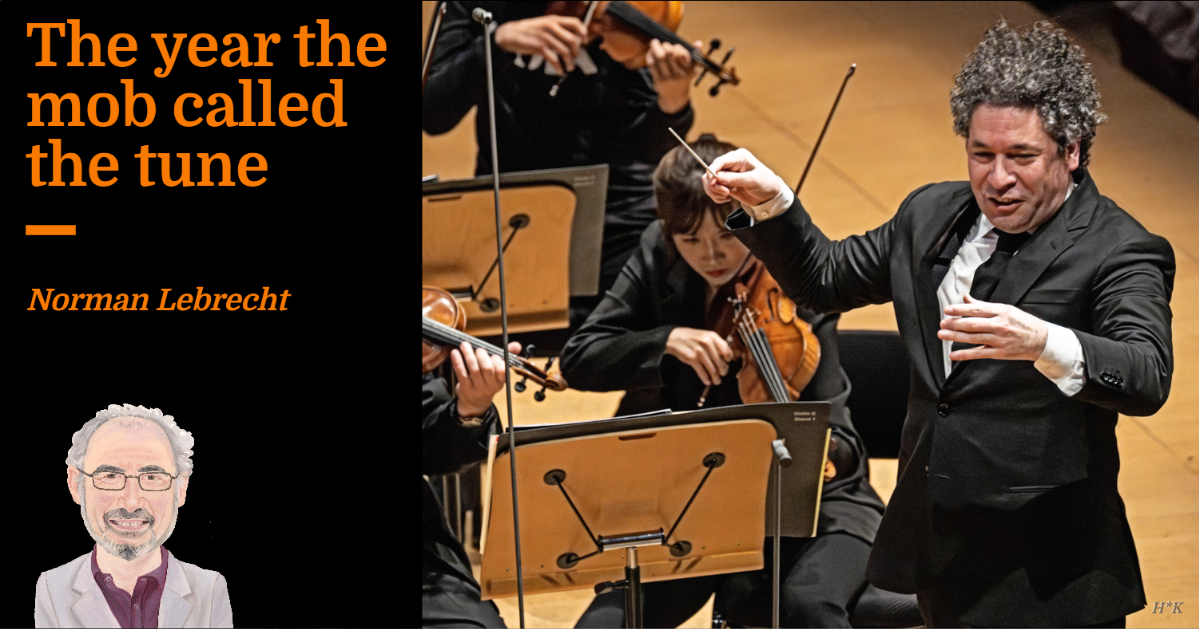
I cannot remember a time when there was so much political meddling in music and so little resistance. The Putin-allied regime of Venezuela sends out its propaganda orchestra to tour the US and Europe under the baton of Gustavo Dudamel, who is about to become music director of the most visible US orchestra, the New York Philharmonic.
If it’s not corrupt governments, it’s street mobs financed by Gulf states that dictate terms by force of numbers. In Belgium, a German orchestra was told not to turn up unless its Israeli conductor, Lahav Shani, denounced the war in Gaza.
The Ghent festival director’s ultimatum prompted the Belgian prime minister to grovel an apology to the conductor and the German president to shake his hand.
But nothing changed. The director kept his job, explaining that “pro-Palestine activists threatened to disrupt all 100 of our concerts”. The mob rules.
In Amsterdam, the Concertgebouw concert hall twice cancelled events by Israeli artists, the first for fear of mass demonstrations, the second because a Jewish cantor performed religious services in his country’s army and was therefore unfit for Dutch ears.
In Paris, the CGT trade union announced mass action against an Israel Philharmonic concert unless the audience was “reminded” that “representatives of the Israeli state are accused of crimes against humanity”.
At Covent Garden, the head of the Royal Opera, Oliver Mears, made a first-night attempt to pull a Palestine-flag waving extra off the stage during curtain calls, declaring that the man would never work there again. The sanction was quietly withdrawn under workforce pressure.
Stand where you like on Gaza, but music became a collateral victim of its propaganda war, powerless in the face of organised political manifestations. I wish I could offer a brighter outlook for the year ahead, but there is no sign yet of an improvement.
As if political issues were not damaging enough, further harm was inflicted by wretched executive decisions. I’ll give three examples. Birmingham has our best concert hall, but it has a waning audience. In a bid to broaden the attendance, a new CEO announced that patrons could use their phones to film in symphony concerts, as they do at rock festivals. Artists objected and phones were briefly put away but not for long. Concertgoers don’t know if their experience is going to be disrupted by ringtones and screen lights, so many stay away. That’s called wilful self-harm.
A new music director is coming to the Chicago Symphony Orchestra. Klaus Mäkelä is Finnish, 29 years old and personable. The drawback is that he is already music director in Oslo, Paris and Amsterdam. Although he is dumping two jobs, he will arrive in Chicago shopworn and high-risk.
Why? Because Chicago got panicked into a premature appointment. Some orchestras never learn. The world’s most coveted conductor, Kirill Petrenko of the Berlin Philharmonic, has never held more than one job at a time and did not step up to the Berlin position until he was 47, fully matured. Chicago plumped for a hot prospect and may pay a heavy price.
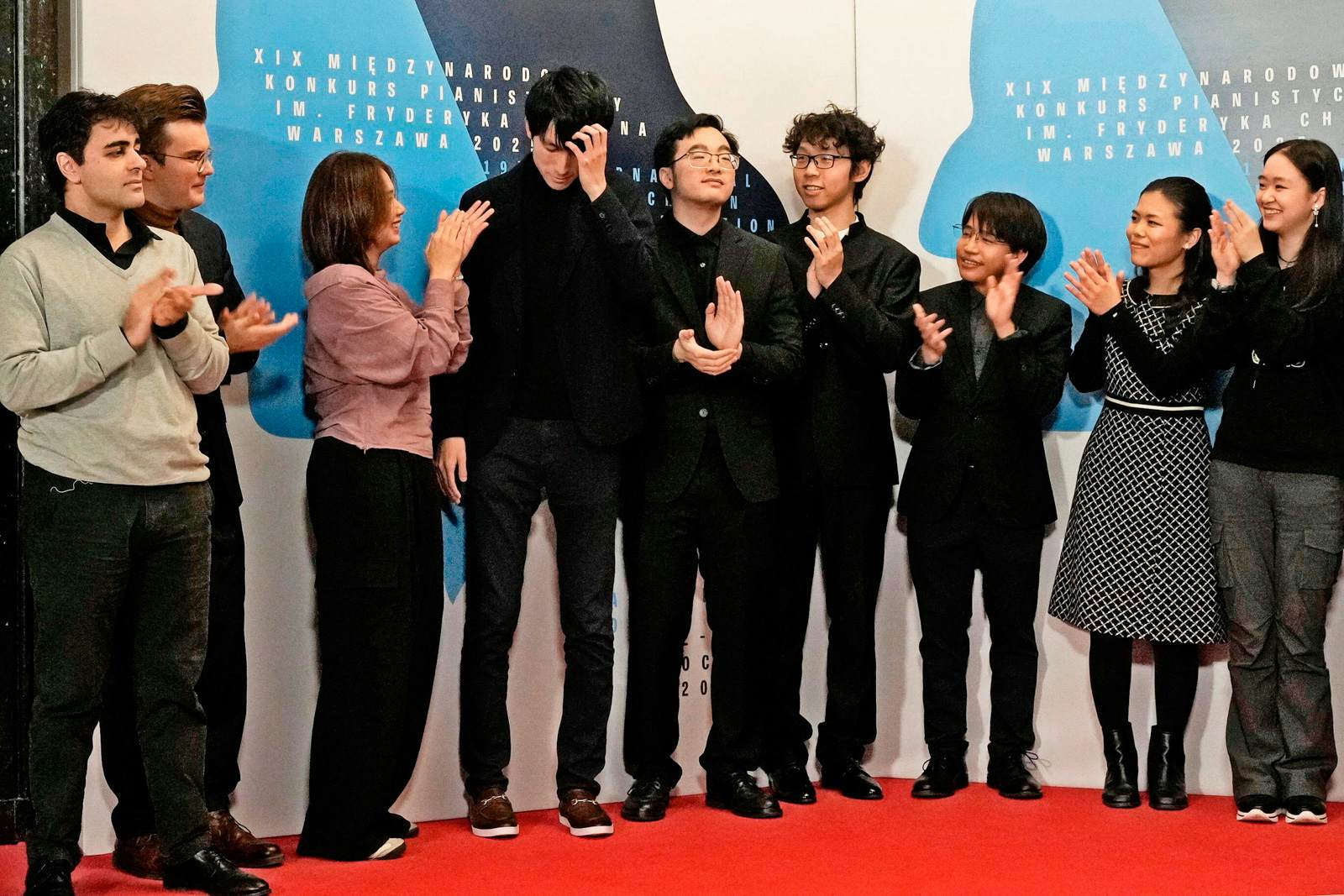
Finally, in Warsaw, the world watched on live-stream last month as 85 pianists went knuckle to knuckle at the international Chopin competition. Held every five years, the Warsaw contest yields either a dazzling unknown or, often as not, no winner at all if the talent falls short. This year it broke its reputation for decisiveness and discovery.
Unable to agree on a winner after five hours, the jury pooled their scores and came up with the average of averages or an elephant designed by committee. The gold medal was awarded to Eric Lu, a past winner at Leeds and other prizefights. Second was Kevin Chen, the 2023 Arthur Rubinstein winner. Neither is a thrilling discovery. The let-down was palpable.
What we saw in Warsaw was fear of failure by pianists and jury. That collective fear is what is most paralysing classical music at the close of 2025. Let’s pray for happier nights in 2026.