
This article is taken from the February 2026 issue of The Critic. To get the full magazine why not subscribe? Get five issues for just £25.
Hallelujah to that
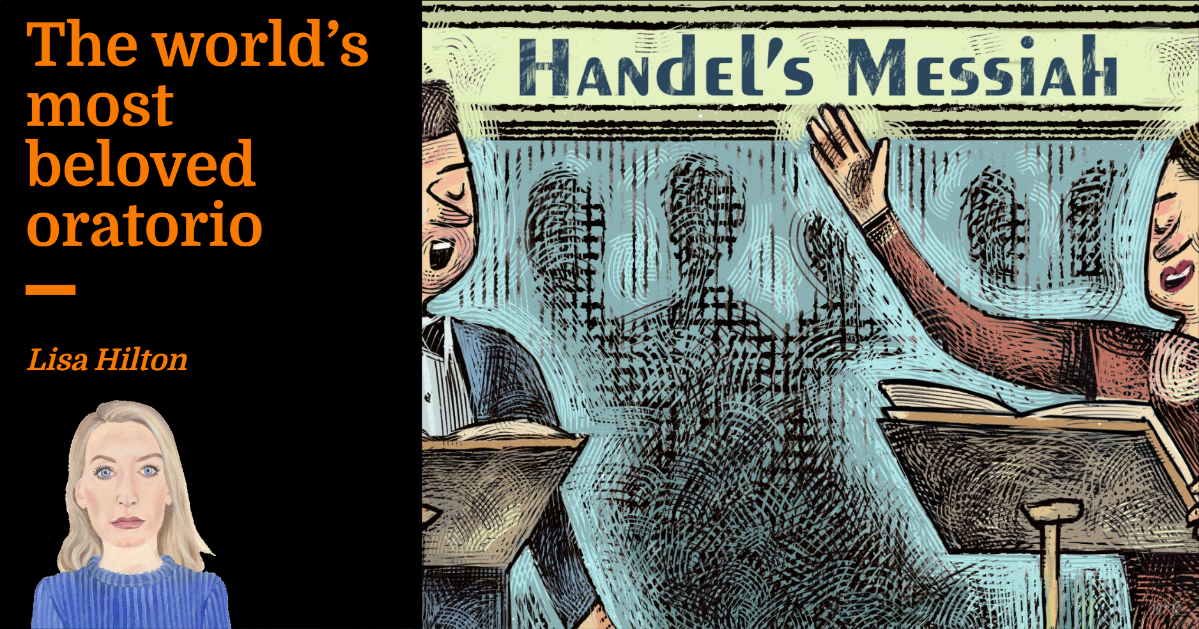
Advent in Venice began joyfully with Venice Music Project’s annual performance of the world’s most beloved oratorio, Handel’s Messiah, which thanks to two generous sponsors was thrillingly able to feature a trumpet for the first time. Everyone fell in lust with Italy’s sexiest baritone, Marco Saccardin, who accompanied soprano Liesl Odenweller surrounded by the haunting Niccolò Bambini grisailles of the Assumption and the Flight into Egypt on the ground floor of the Scuola dei Carmini. Conductor Timothy Brown, emeritus fellow in music at Clare College Cambridge delighted the audience by distributing scores and inviting anyone who wished to join the professionals for an encore of the “Hallelujah” Chorus.
† † †
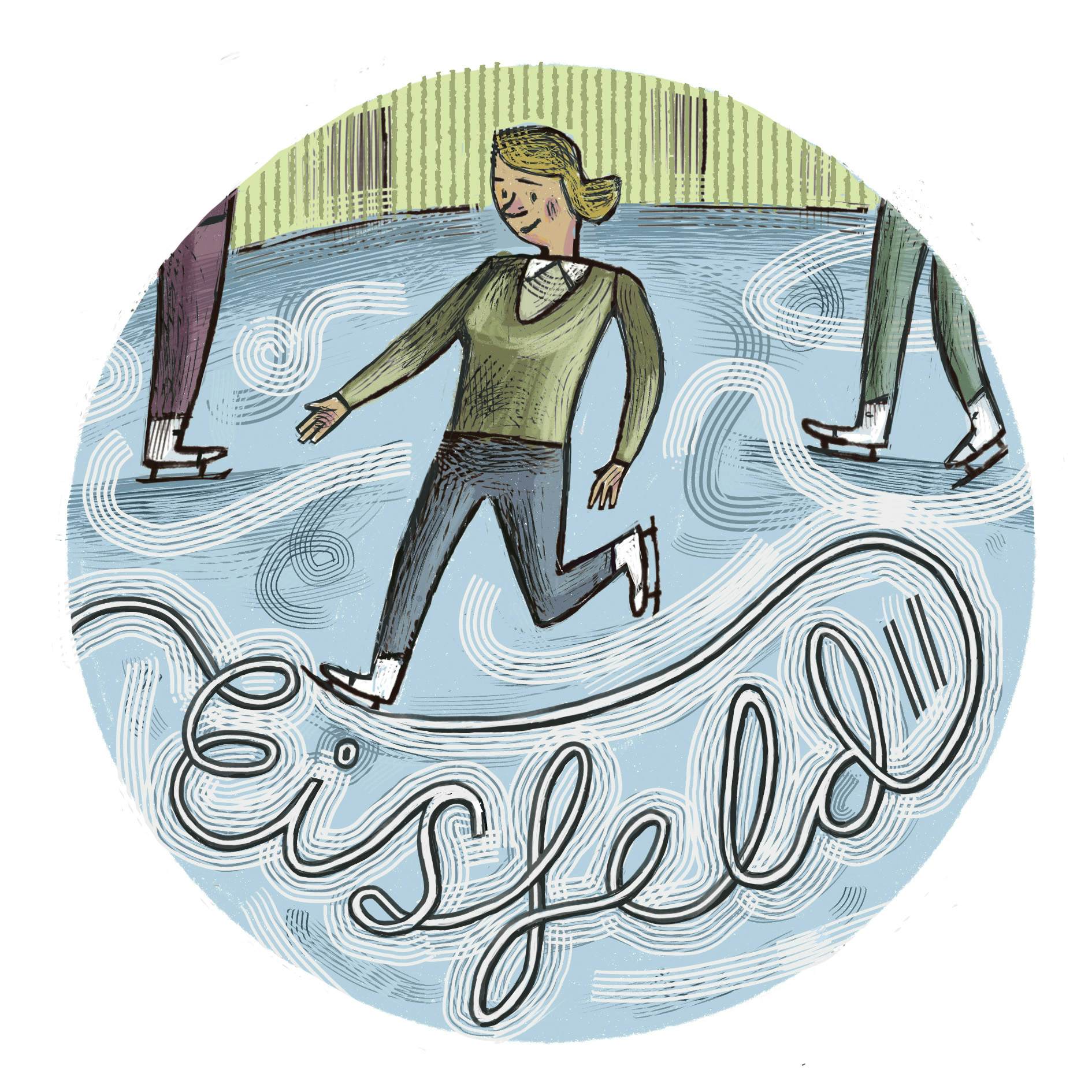
Baroque with blades — until February, visitors to Palazzo Diedo in Cannaregio can participate in German artist Olaf Nicolai’s installation Eisfeld II, a 100-square-metre ice rink in the frescoed eighteenth-century ballroom, where a sound installation by Berlin band To Rococo Rot reacts to every curlicue described by skaters. Gliding (admittedly rather ungainly) loops around the piano nobile was a striking experience of immersive art: feeling physically part of the extravagant architecture transforms one’s understanding of its lightness, grace and fragility.
The palazzo was built in the first decades of the 18th century, making it contemporaneous with Giacomo Casanova, to whom the Fondazione Cini dedicates a dual-venue show which runs into March 2026. Eschewing the tired clichés of Casanova as great seducer (incidentally, the History of My Life records between 122 and 136 sexual encounters, depending on how intimacy is calibrated; hardly an excessive number when compared to contemporaries such as James Boswell or William Hickey), Casanova e Venezia instead depicts him as the polymath he was, locating his varied career as philosopher, alchemist, musician, diplomat and scholar, not to mention priest and musician, within the rarefied, cultivated, contradictory world that was the last century of the Venetian Republic.
Over 100 works including paintings, objects and albums have been gathered to communicate the cosmopolitan sophistication of the city which was perhaps Casanova’s one true love, the highlight being the sketchbooks of Anton Maria Zanetti, who produced scabrously satirical cartoons of Venetian society at the height of its dazzling decline. Skating the Eisfeld, one feels like a Zanetti character — precarious, ridiculous, but intriguingly glamorous.
Minding one’s language
Being asked to contribute to the TLS “Books of the Year” roundup is an honour but carries the risk of being nobbled by Private Eye’s annual literary log-roll, which targets the most egregious examples of publishing world pomposity and toadying. I’ve been caught in the past, when I fudged the TLS rules slightly in order to recommend a paperback, James Meek’s To Calais in Ordinary Time, the brilliance of which merited a few blushes.
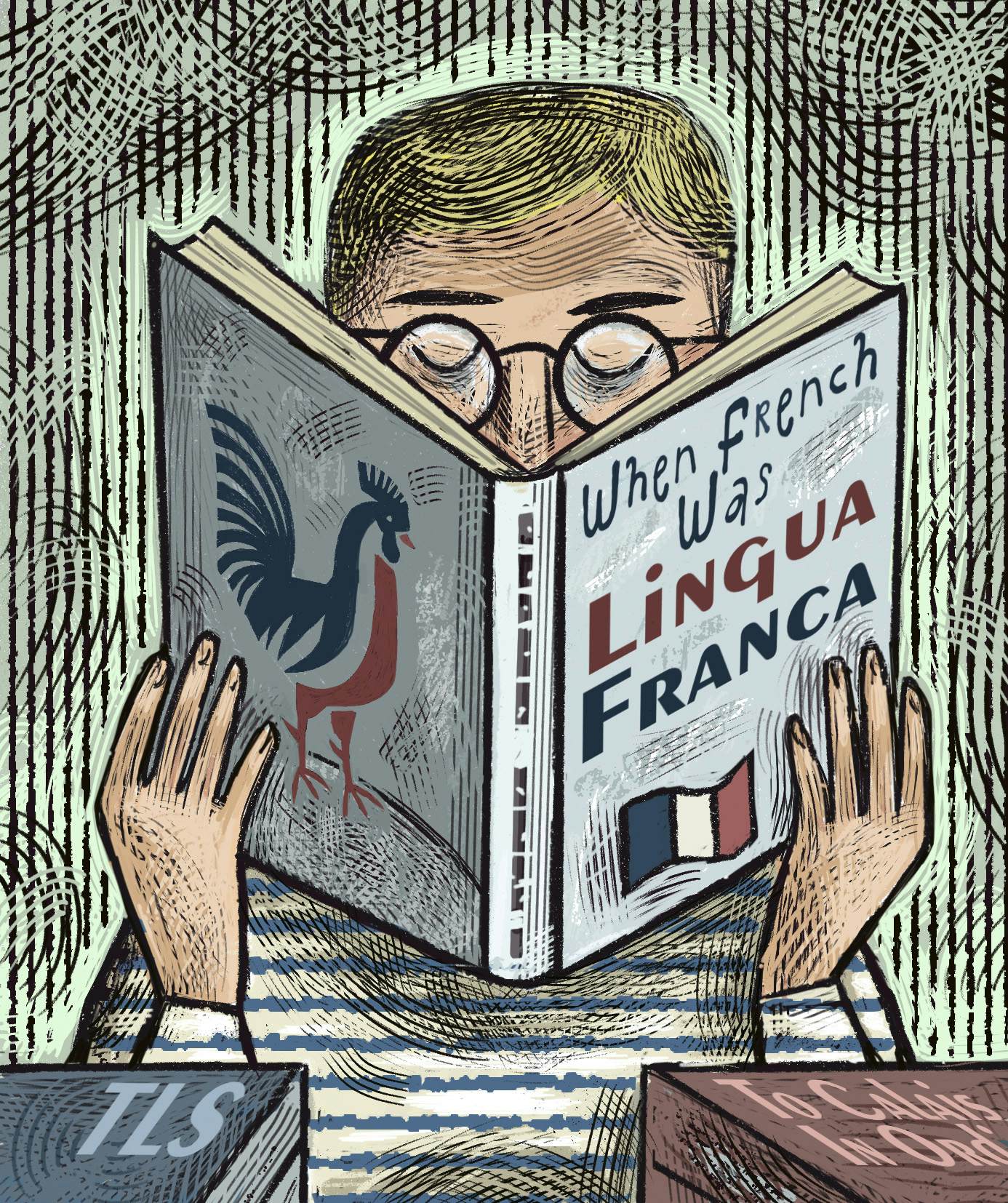
This year, I considered nominating the Prix Goncourt winner, Laurent Mauvignier’s La Maison Vide but chickened out as it’s not yet translated. Philosopher Slavoj Žižek and novelist Helen deWitt were less lucky, as they had dared to suggest books that were only published in French. I adore the Eye, but it’s too clever a magazine to trumpet provincial monolingualism.
Reading in another language is not pretentious, it’s just normal; 54 per cent of Europeans speak two languages, ten per cent three or more, and French was the — ahem — lingua franca of the continent until the 20th century (Casanova wrote his memoirs in it). That barely three per cent of A-level students take modern foreign languages in the UK is embarrassing and depressingly restrictive, not really all that funny.
Byzantium bound
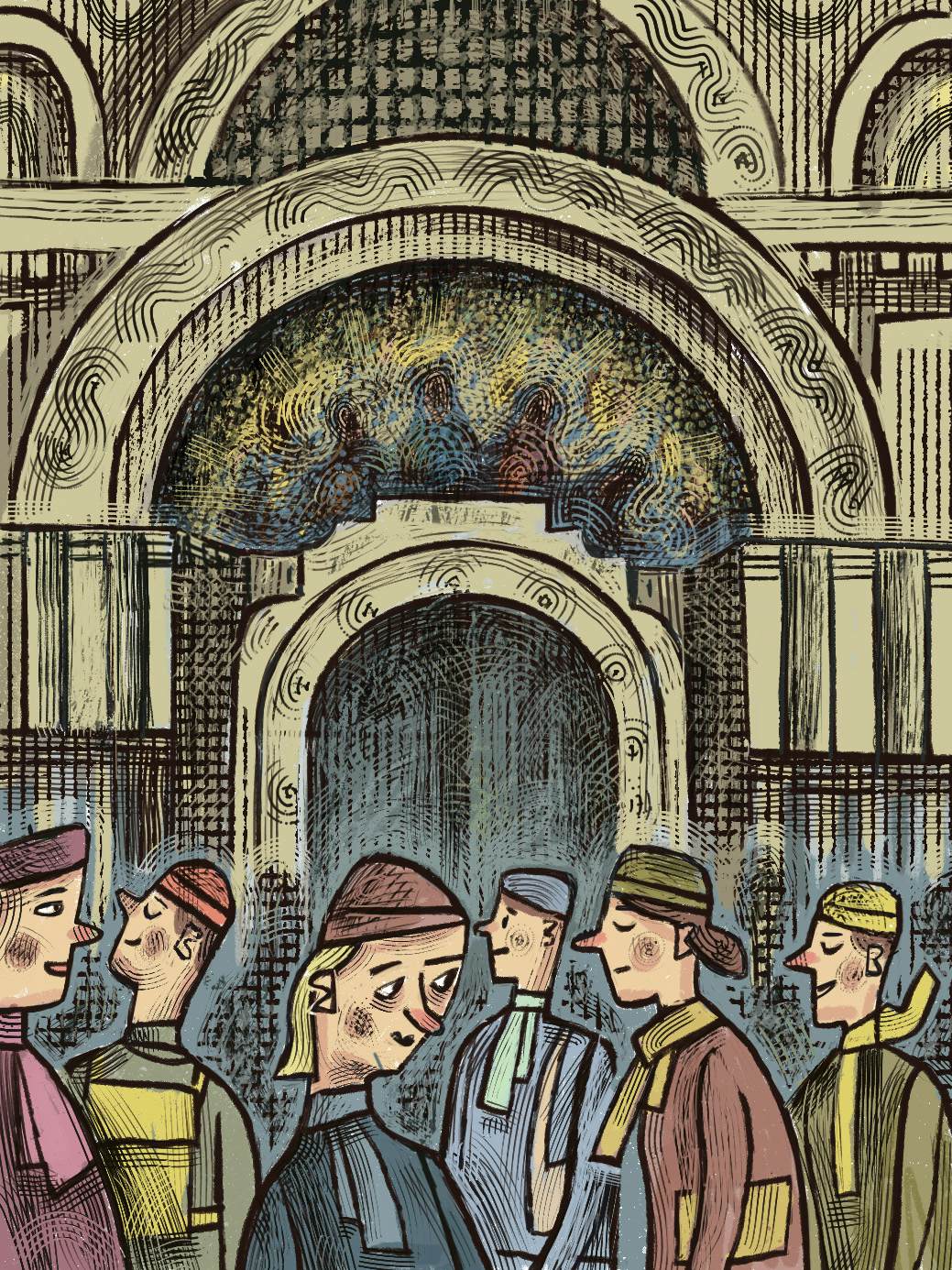
Christmas Night is one of the few moments of the year when it becomes possible to enjoy Piazza San Marco without its usual grimy coating of tourists and tat. Sung Vespers in the Basilica was a magic carpet trip to Byzantium, cumuli of incense, a pearly-mitred Patriarch in cloth of gold vestments, the horrid 19th-century organ abandoned in favour of the hidden choir whose a cappella chants drifted down amongst the mosaics. Whether one believes or not, the effect is hypnotic, a ritual which stretches back to Venice’s religious roots in ancient Constantinople, a reminder that this city was old before Edward the Confessor laid the first stone of Westminster Abbey.
Leaving the church, the perfume of resin and spice was replaced by a gutsy whiff of fried fish from the gondoliers’ bar behind the Piazzetta dei Leoni. Under the colonnades, we could appreciate “Murano Illumina Il Mondo”, an annual project in which artists such as Philippe Starck have reimagined the chandelier in collaboration with 11 of Murano’s most venerable glass masters.
Acqua Rings, a pyramid of striped discs by designer Chahan Minassian, realised by Master Vittoria Moretti was my favourite this time. The piece demonstrates the same combination of playful yet austere modernity combined with reverence for rigorous craft which characterises Minassian’s gorgeous curation of Palazzina Fortuny, the former home of New York designer Elsie McNeill Lee on Giudecca.
† † †
I can usually see the Palazzina directly across the Giudecca Canal from my flat, but January is the month of il caigo, a particular Venetian variant on fog, which blankets the city in thick white fumes. It descends suddenly, as Joseph Brodsky wrote in Watermark, “its spears and lances moving silently but very fast … like foot soldiers preceding their heavy cavalry”, quoting the last line of Auden’s The Fall of Rome. The islands are invisible, the mists so insulating that the only sound is the boom of foghorns in the lagoon. Venice becomes “altogether elsewhere”, floating beyond world and time.
Caigo brings a unique heart-slapping cold, so penetrating that even in the cosiest of gloves one’s fingers feel as though they might break off like twigs after just a few minutes outside. Yet it’s maybe my favourite Venetian weather, its coming the sign that for a few short weeks, before the grim gaudy of Carnival begins, Venice can be alone.