MOTORISTS and homeowners save hundreds of pounds a year by having a no-claims bonus – but how much does it REALLY save you.
We’ve crunched the numbers to look at how much breaking you no-claims streak could cost you.
If you do not make a claim on your car or home insurance for 12 months, you usually earn a no-claims bonus.
This is a discount added at renewal and it grows each year you stay claim-free.
But, if you make a fault claim, the bonus is often reduced or lost, and your premium goes up.
It’s a conundrum faced by anyone with insurance. Do you claim and lose the perk or fork up the cost for smaller repairs and end up pushing up your premium.


We crunched the numbers to compare the costs
Our snap shot found that a homeowner with a no-claims discount would have an average saving of £633.
While driver with a five-year no-claim clause could save £491.
We checked quotes from major insurers on MoneySuperMarket and compared prices based on someone’s no-claims history.
We checked the impact of one fault claim on a Vauxhall Corsa, the UK’s most insured car, and a £5,000 “water “escape of water” claim on a 3-bed semi, to find the true value of staying claim-free.
The rules vary by insurer, and the biggest increases often come in the early years.
Which? says you might get about 30% off after one year and up to 50% after five years.
The driver profile had seven years’ experience, which may push base premiums a little higher than average.
However, our data shows that just one claim can cause premiums to rocket, costing drivers and homeowners hundreds of pounds more for years to come.
For car insurance, the penalty for having no bonus was severe, with some premiums for the Corsa topping £1,400.
In comparison, the same driver with a five-year clean record could get cover for under £815.
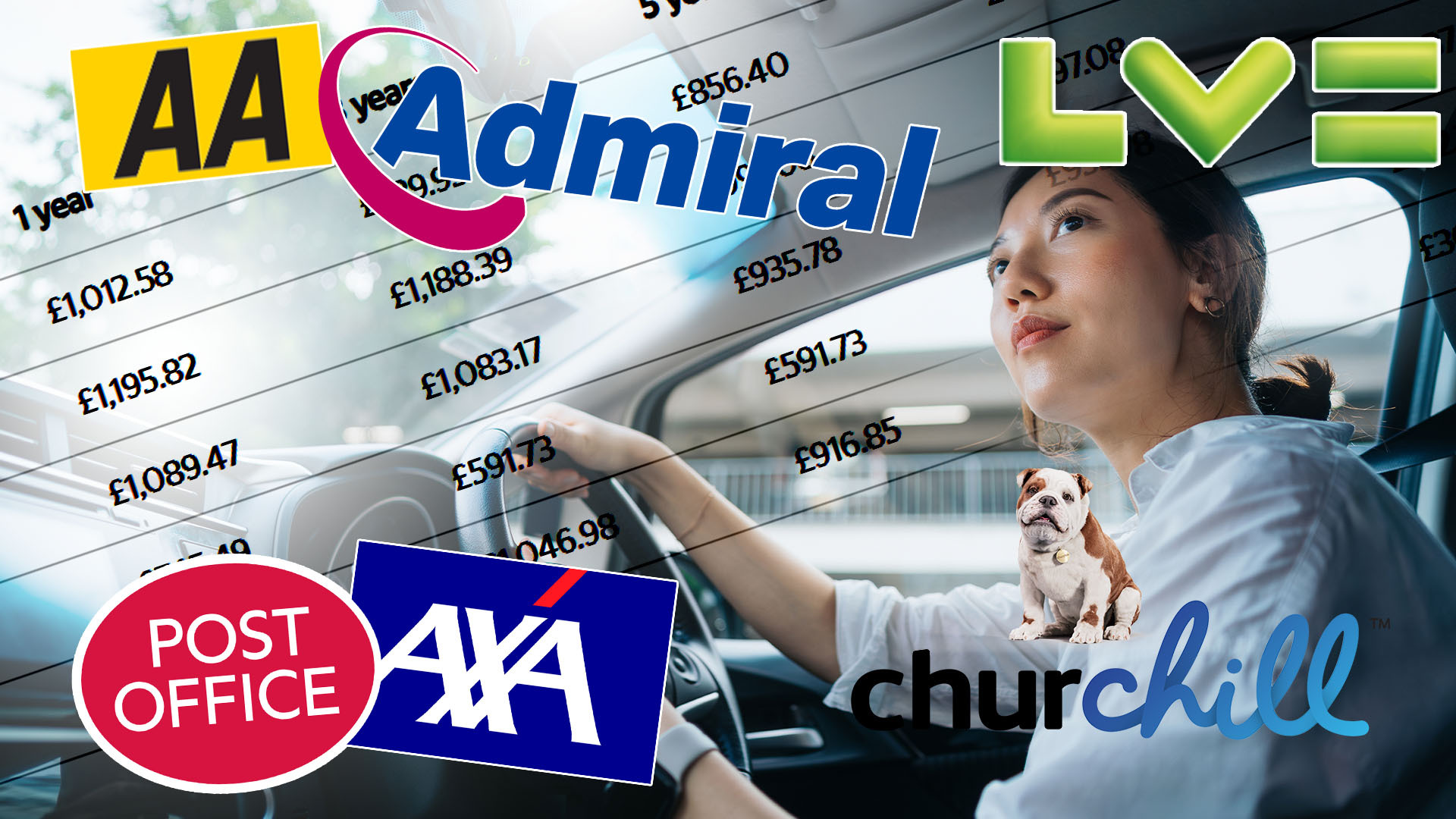
The data revealed a huge variation between insurers, with LV offering a £491.78 discount for five years claim-free, while Esure offered £453.77 and Direct Line offered £226.62.
Some insurers flatten off the discounts once you reach three to five years. AXA, for instance, priced sharply lower by three years and held steady through five.
The financial hit was even harder for home insurance, with our research showing The AA offered a massive £633.39 saving for a clean record.
The Post Office offered a £423.55 saving for clean histories.
Meanwhile, AXA cut costs by £206.50 for those with several claim-free years.
Again, the the biggest gains arrive between three and five years claim-free.
A spokesman for AA Insurance Services, said: “These findings confirm the long-held truth that a clean claims history produces cheaper premiums.”
An ABI spokesperson said: “Insurers will consider a variety of factors when setting premiums, including customer information, property or vehicle characteristics, and claims history.
“If you have a period without any claims, insurers will often apply a no claims discount which can reduce your premium.
“These can vary between providers.
“It’s really important to review your policy details to make sure you have the right cover for your needs, and speak to your insurer if anything isn’t clear.”
What if an accident wasnst my fault?
IF you can prove the crash wasn’t your fault, you usually keep your no-claims discount because the other driver’s insurer pays.
You may still lose some or all of your discount if your insurer has to pay out.
This can happen if you are found to be partly at fault.
It can also happen if the other driver is uninsured.
You could lose your discount if there is no other driver involved, for example if an animal runs into the road.
Can I protect my no-claims bonus?
No-claims bonus protection is an extra you can add to your car insurance. It usually costs about £60 a year.
It lets you make a limited number of at-fault claims without losing your no-claims discount.
However, it only protects the discount.
Your base premium can still rise after a claim because of claim loading and risk reassessment
Each insurer sets its own rules.
They decide what counts as an at-fault claim and how many you can make.
Non-fault claims usually do not affect your bonus if your insurer gets all the costs back.
How can I cut my car insurance costs?
Car insurance costs an average of £562, says the ABI, but young drivers still pay much more.
You can cut costs by shopping around and haggling.
Start looking about a month before renewal, check several comparison sites, and ask your insurer to match the best price.
If they won’t, switch.
Pay annually if you can, as monthly plans often add fees and interest, and you could save up to £46.
If you need to pay monthly, NFU Mutual and Hiscox do not charge interest, while many others charge between 5% and 39.11% APR.
Small, accurate changes to your job title can reduce your premium, such as “chef” to “caterer” or “fast food delivery driver” to “delivery driver”, but never lie.
Buy your new policy early, as prices rise near renewal, and you can lock in a quote up to 29 days ahead
According to GoCompare, a typical driver can save up to £265 by buying new cover at least 27 days before their current policy ends.
Agreeing to a higher excess usually lowers your premium, but make sure you could afford it if you need to claim.
Check for discounts
TELEMATICS or black box policies offer tailored premiums based on driving behaviour.
The device records a car’s speed, the distance it travels, how it accelerates and brakes and what time of the day or night it is used.
Drive well and you will benefit from lower prices. Drive poorly and your premium will shoot up.
Research by Compare the Market has previously shown that almost one in ten young drivers have reduced the cost of their car insurance by switching to a telematics policy.
According to MoneySuperMarket, the average price paid for a telematics policy across all age groups is £1,152.25 a year.
And if a typical driver under the age of 25 pays £2,077 a year, taking out a black box policy could save them around £925.
Specific groups, such as new drivers, can benefit from slightly cheaper premiums by taking part in initiatives such as Pass Plus training, a course totalling six hours to help newly qualified motorists improve their skills and safety.
A robust no-claims discount will always go in your favour.
How can I cut my home insurance costs?
You should never settle for your current provider’s quote when you come up for renewal.
Compare quotes on sites like MoneySuperMarket and Confused.com.
The average combined home and contents policy on the open market is now about £391, but renewal quotes can be higher.
Price comparison website Money.co.uk says you can save up to £201 on your home insurance by ditching your auto-renewal.
Everyone should consider contents insurance to protect possessions like clothes, gadgets, furniture and jewellery.
Freeholders should also have buildings insurance to cover the structure and rebuild costs.
Many insurers bundle buildings and contents, so avoid paying for cover you do not need.
Improve your home security with things like burglar alarms, security lighting and proper window locks, and always declare the correct lock types.


Start getting quotes early to lock in a price.
You can get quotes up to 90 days before renewal, but MoneySavingExpert says the cheapest time is often 21 days before, which can save more than 20% compared with leaving it late.