From ‘gaslighting’ to ‘catfishing’, singletons already have a range of toxic dating trends to get their heads around.
Now, experts have gazed into the future to predict what they will have to contend with next.
With the promise of spring on the horizon, many will be emerging from winter hibernation to try their hand at finding love.
However, putting yourself out there can feel daunting, especially when trying to keep up with the latest apps and crazes.
To help, relationship experts have revealed the top trends to look out for this year – and the ones to be especially wary of.
Robyn Alesich, co–founder of polyamorous dating app Sister Wives, warned some could trigger anxiety, low self–worth, reduced intimacy and emotional exhaustion.
While some trends are ‘immensely cruel’, others can lead to feelings of ‘intellectual powerlessness’.
Here, she explains the toxic fads that could ruin your love life.
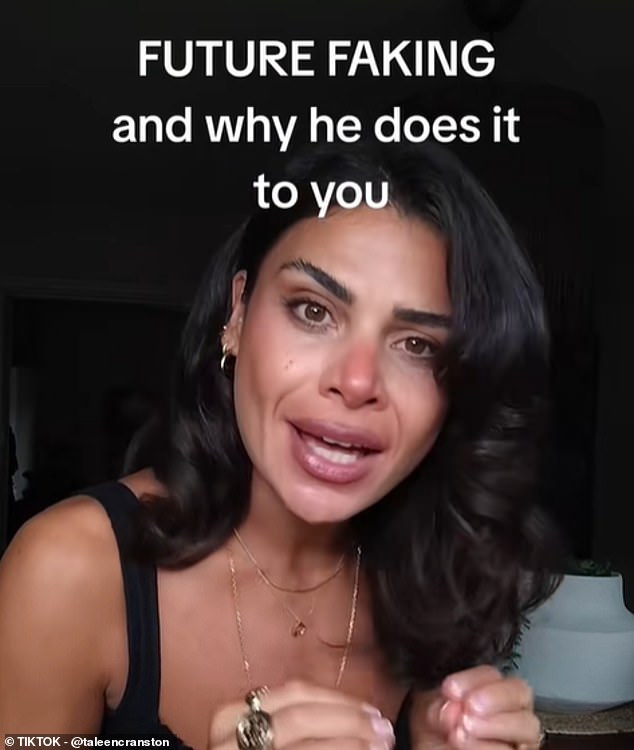
People have taken to TikTok to complain about ‘future-faking’ – when a potential partner promises a future but never follows through
Yearner energy
This is the feeling of ‘yearning’ – an intense longing and desire – for somebody you’re dating.
‘Yearning can feel deeply romantic in an era of social media and AI, but longing without reciprocation or consent has its risks,’ Ms Alesich said.
‘It’s important to separate desire from reality, otherwise fantasies can be projected onto unwilling partners.’
Future–faking
This occurs when a potential partner promises a shared future – but with no intention of really following through.
‘A key priority in modern dating is emotional security, regardless of the style of affection. So, in any case, future–faking is immensely cruel,’ Ms Alesich explained.
‘It mimics security without offering it, often keeping someone emotionally invested long past the point where the relationship has stopped moving forward. Repeated exposure to false promises can undermine trust and emotional safety, contributing to anxiety, lowered self–worth, and difficulty forming secure attachments in future relationships.’
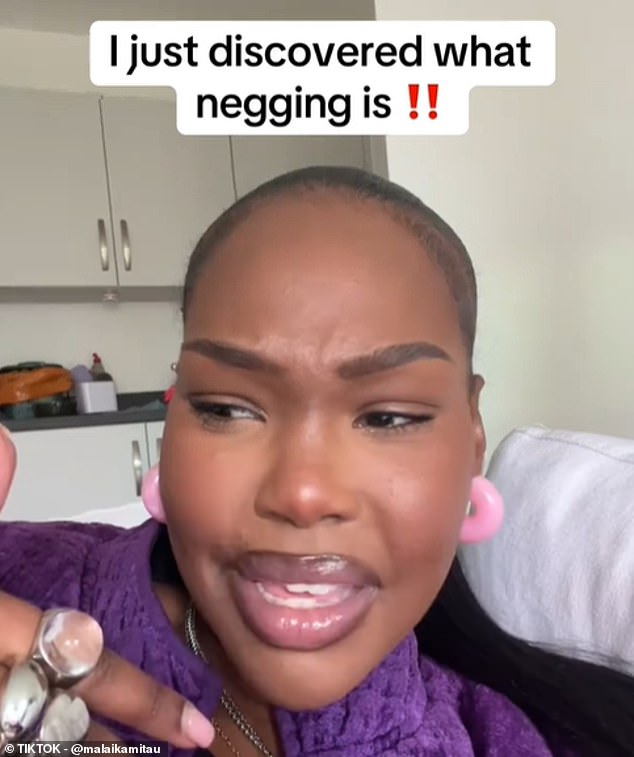
Being given a backhanded compliment or subtle insult to make you feel insecure is called negging
Negging
Negging is a backhanded compliment or subtle insult to make you feel insecure in the hope that you’ll suddenly be more desperate for approval.
It can lead to low self–esteem and emotional dependency.
‘Backhanded compliments and subtle criticism can erode self–esteem over time, fostering emotional dependency on a toxic partner, a common pattern seen in psychologically unhealthy relationships,’ Ms Alesich said.
Eco–dumping
This refers to breaking up over ethical lifestyle issues, such as plastic usage or fast fashion.
‘Gen Z cares very deeply about what they believe in,’ Ms Alesich said. ‘And for many young daters, the environment is just that.
‘However, conflict rooted in moral superiority rather than communication can lead to feelings of anxiety and emotional exhaustion. This might foster a sense of intellectual powerlessness for one partner, reducing confidence and heightening anxiety.’
Date–stacking
Date–stacking refers to scheduling multiple dates in a single day or weekend to optimise time and efficiency.
But Ms Alesich warned: ‘Date–stacking can feel practical, especially when signed up to multiple dating apps and want to maximise your chance of connection. However, this trend encourages people to compare dates side by side, potentially reducing them to a personality trait or a physical feature.
‘Dating as an efficiency exercise leads to severe dating fatigue, overwhelm, and likely dissatisfaction.’
Choremance
When you and your partner do errands together instead of traditional romantic activities, this is called ‘choremance’.
‘A choremance appeals to a very busy and burnt out generation of daters,’ Ms Alesich explained.
‘The risk here is decreased intimacy and spiked cortisol as partners don’t feel able to truly relax in each other’s company.’