A DISEASE that often shows no symptoms until it is dangerously advanced has entered the world’s top 10 causes of death, US scientists say.
Around 788 million people worldwide now have chronic kidney disease (CKD), more than double the number three decades ago, new figures reveal.
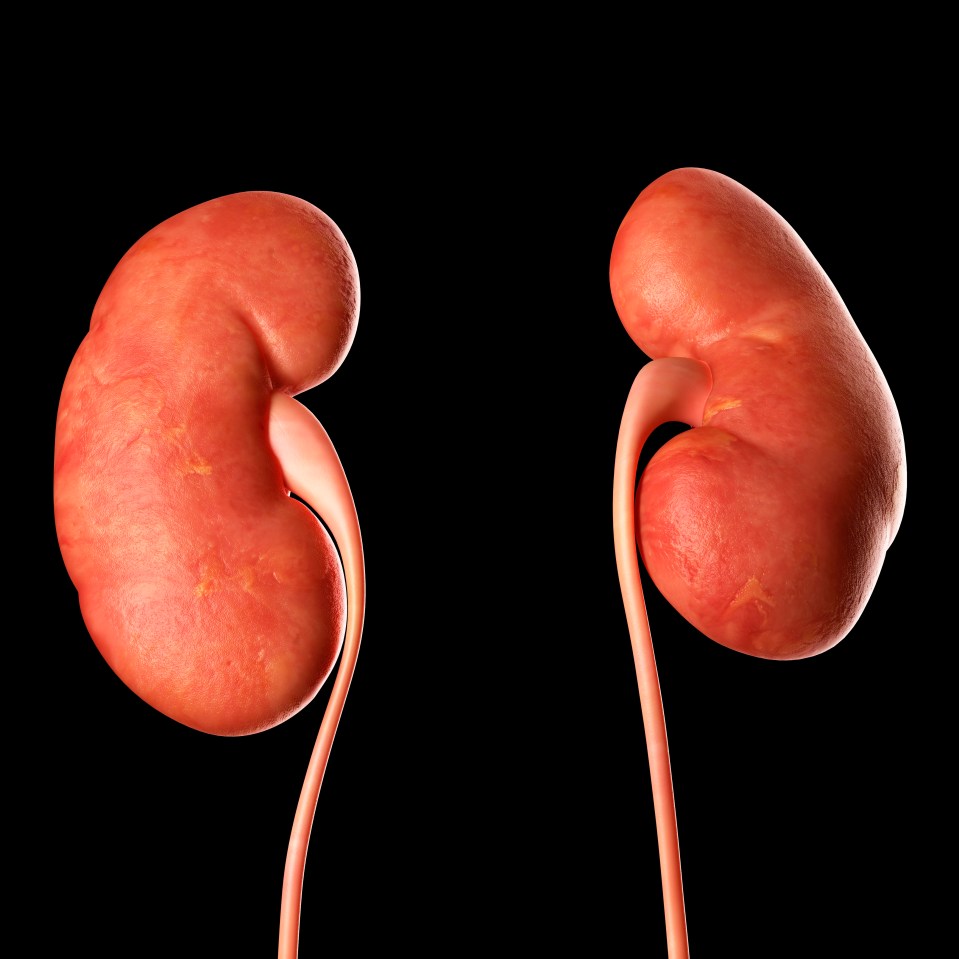
That means more than 1 in 10 adults are living with the condition, which causes the kidneys to gradually stop working, leaving the body unable to clear waste and excess fluid from the blood.
CKD now causes around 1.5 million deaths a year, meaning it has broken into the top 10 biggest killer rankings for the first time.
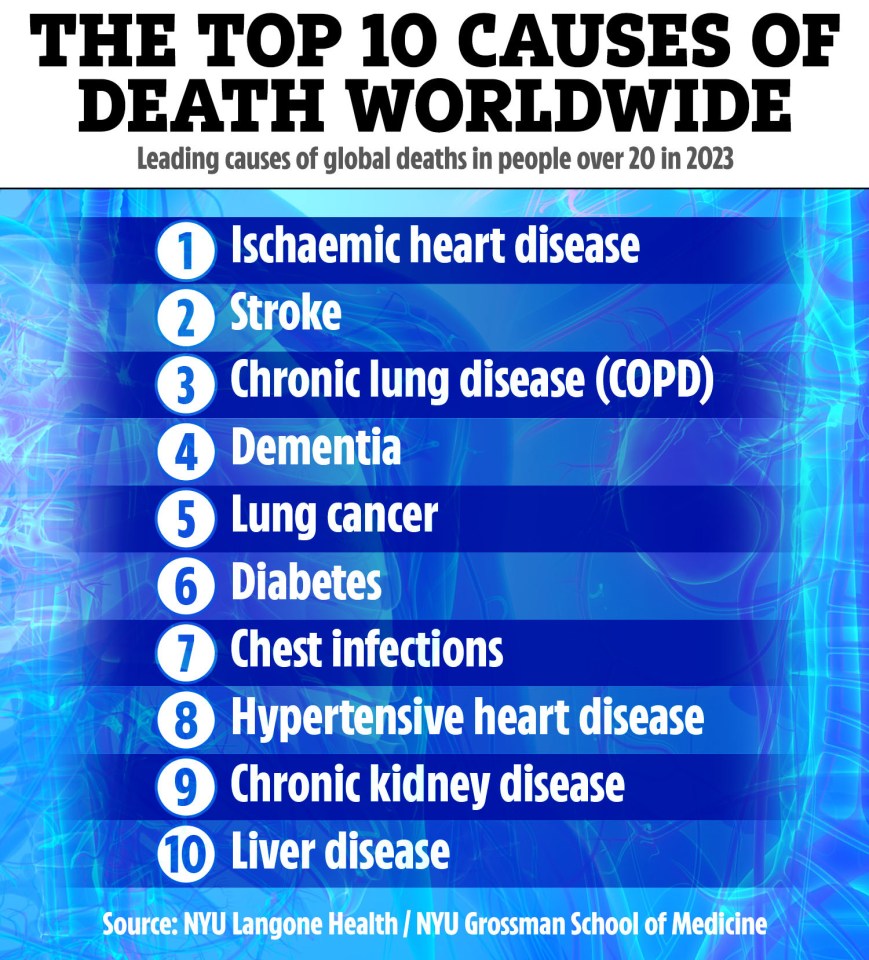
It has climbed to ninth place, overtaking conditions like tuberculosis, bowel cancer, and now sits just in front of liver disease.
The only causes ahead of it are stroke, ischaemic heart disease, chronic obstructive pulmonary disease (COPD), dementia, lung cancer, diabetes, lower respiratory infections and hypertensive heart disease.
READ MORE ON KIDNEY FAILURE

Experts from NYU Langone Health, behind the study, say the rise in CKD cases is largely down to the world’s population growing and living longer, so more people are reaching ages where kidney function declines.
They found that high blood sugar (linked to type 2 diabetes), high blood pressure and high body mass index (obesity) were the biggest risk factors for developing CKD.
For the study, published in The Lancet, the team analysed 2,230 published research papers and national health datasets in 133 countries.
The results suggested that around 14 per cent of adults worldwide have some level of kidney damage, but most do not realise as the disease usually develops slowly and silently.
In the early stages, CKD usually causes no symptoms, which is why many people don’t realise they have it.
Kidney function can be checked with simple blood and urine tests.
However, because the disease develops slowly and silently, many people are not tested until it has already progressed.
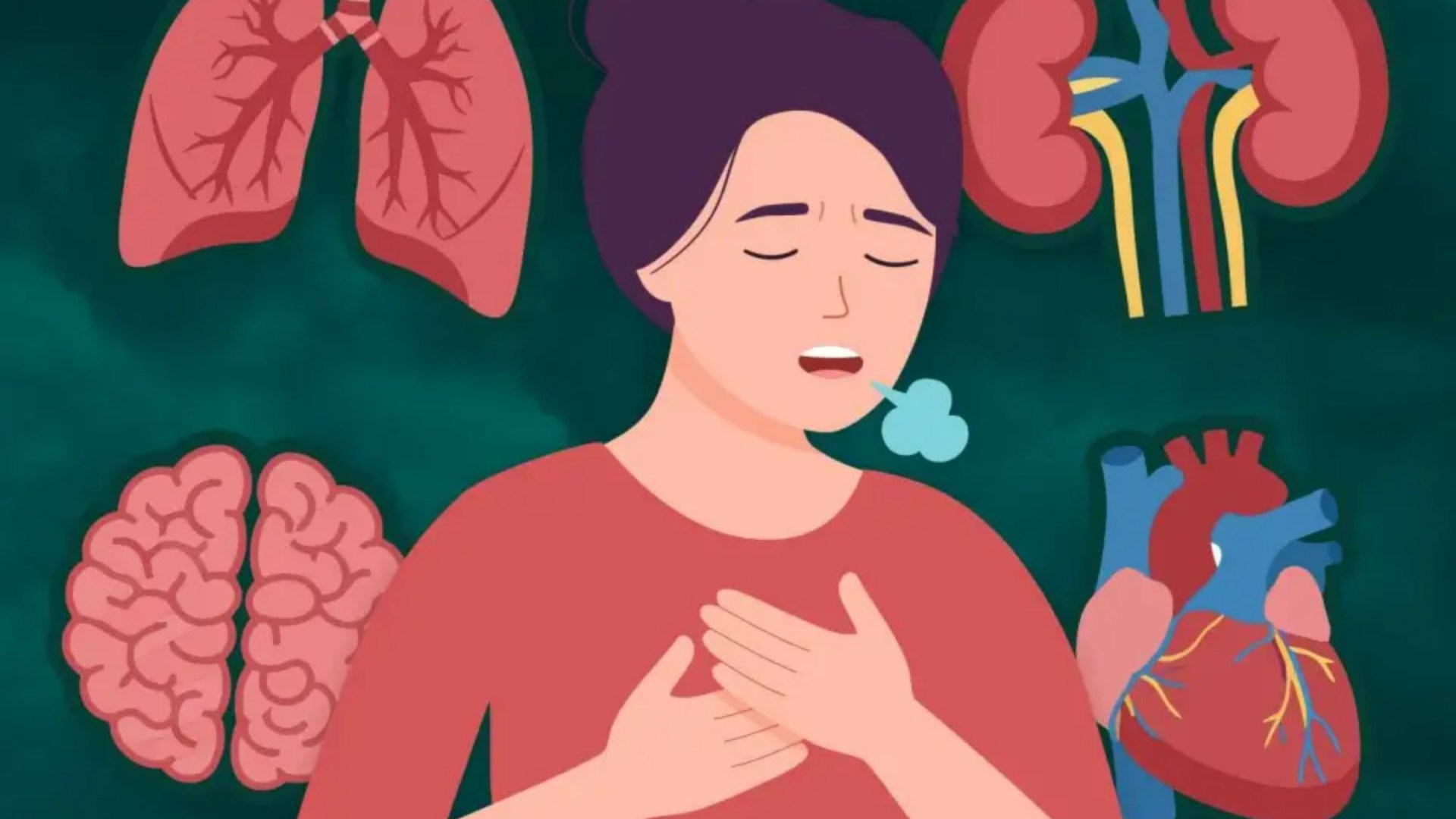
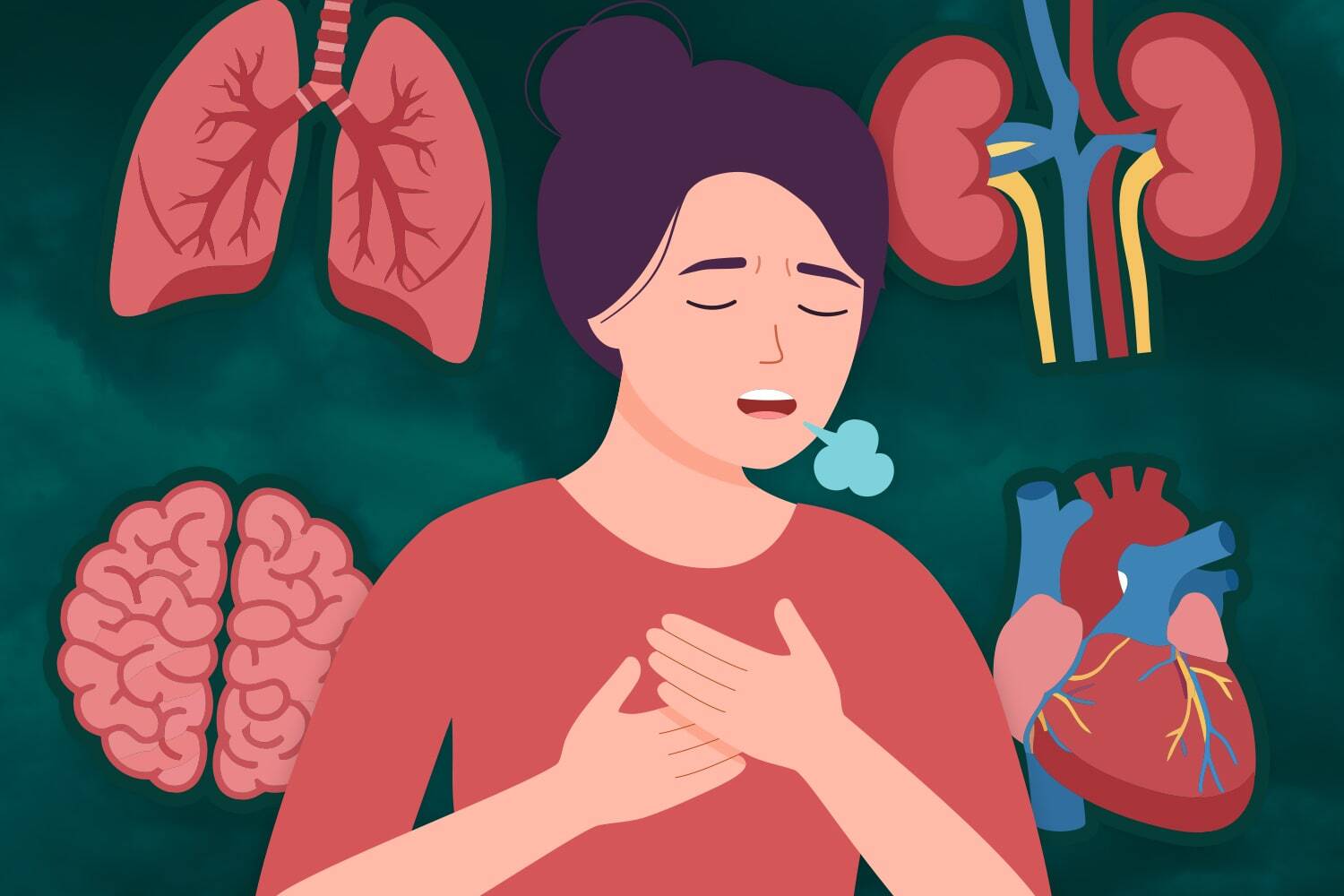
As the kidneys lose function, waste and fluid build up in the body, which can cause itching, swelling, breathlessness and severe fatigue.
Many patients are only diagnosed once the kidneys are already severely damaged, at which point they may need dialysis or a transplant, as kidney failure is fatal without treatment.
“Chronic kidney disease is underdiagnosed and undertreated,” Professor Morgan Grams, one of the authors of the study, said.
“Our report underscores the need for more urine testing to catch it early and the need to ensure that patients can afford and access therapy once they are diagnosed.”
In the UK, around 7.2 million people are estimated to have CKD – roughly 1 in 10 adults.
However, around 3 million of them are thought to be undiagnosed.
Kidney Research UK has previously warned this number could rise further over the next decade as rates of type 2 diabetes, high blood pressure and obesity continue to increase.
The new research, presented at the American Society of Nephrology’s Kidney Week, also found that impaired kidney function raises the risk of heart disease, contributing to around 12 per cent of cardiovascular deaths worldwide.


Professor Josef Coresh, co-senior author of the study, said: “Chronic kidney disease is common, deadly, and getting worse as a major public health issue.”
The World Health Organisation has now added CKD to its list of priority conditions to tackle before 2030.
Signs of chronic kidney disease
THERE are usually no symptoms of kidney disease in the early stages.
It may only be diagnosed if you have a blood or urine test for another reason and the results show a possible problem with your kidneys.
At a more advanced stage, symptoms can include:
- tiredness
- swollen ankles, feet or hands
- shortness of breath
- feeling sick
- blood in your pee (urine)
See a GP if you have persistent or worrying symptoms that you think could be caused by kidney disease.
Source: NHS