
After botching their modelling on minimum pricing, the Sheffield Addictions Research Group have turned their hands to economics. In a paper published in the journal Addiction this week, they accidentally invented mercantilism, the zero-sum misunderstanding of the economy that was discredited by Adam Smith 250 years ago.
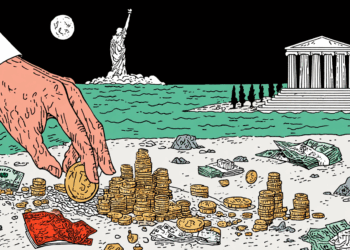
The authors say that the British government should do more to stop us spending money on “tobacco, gambling and sweets” because “shifting that spending toward domestic sectors like retail, recreation or trades, money stays within the UK for longer.” This, apparently, is the path to prosperity.
By the same logic, the government should announce a crackdown on foreign holidays. That would undoubtedly make money “stay within the UK”, but it would come at the cost of preventing people from doing what they want to do. From the perspective of the Sheffield Addictions Research Group, preventing people from doing what they want to do is the whole point, but they can’t say that out loud so they have resorted to a weirdly jingoistic approach to economic planning.
One unexpectedly positive side effect of Donald Trump’s love of tariffs has been to make people … appreciate the benefits of free trade
One unexpectedly positive side effect of Donald Trump’s love of tariffs has been to make people in general, and the left in particular, appreciate the benefits of free trade. In the late 1990s, a whole generation of young lefties read a Naomi Klein book and decided that free trade was ghastly and the World Trade Organisation was evil. Today, three-quarters of Democrat voters want tariffs to be reduced and only a third of Americans have a favourable view of Trump’s tariffs. Donald Trump has done to protectionism what Keir Starmer has done for Digital ID. Through his own unpopularity, he has made something that people used to quite like the sound of unpopular.
The same economic nationalism is at play in the Sheffield paper and it is flawed for a similar reason. Tariffs are designed to make people buy inferior homemade products that they don’t really want instead of the high quality imports that would be their first choice. This is done for the benefit of domestic producers and therefore, it is supposed, for the domestic economy. But as Adam Smith pointed out in The Wealth of Nations, economies don’t grow by hoarding money and swirling it around local businesses (this is also the fallacy behind local currencies like the Bristol Pound). If it were, then every country should do it, but just as everyone would suffer if every country banned foreign holidays, everyone would suffer if every country banned imports. Moreover, countries suffer from protectionism even if they do it on their own because it raises costs and reduces choice for its own people.
The issue of choice is paramount. The point of having an economy is to allow people to get what they want. If you have £15 to spend and want nothing more than to spend it on a Cuban cigar, then you can have a Cuban cigar. The UK loses £15 and gains a Cuban cigar of equal value while Cuba gains £15 but loses a Cuban cigar. No one has lost out. Indeed, both sides have profited. But if you can’t buy a Cuban cigar — perhaps because you live in Britain in 2030 and you are twenty years old — you have lost out because you can’t spend your money on your first preference. You might spend your £15 on a cinema ticket to watch a British film (or whatever the weirdos at Sheffield University think is a suitable patriotic activity), but a certain amount of life satisfaction has been foregone. You have been unable, as economists say, to maximise your utility.
The authors of the Addiction paper make the rather obvious point that when people can’t spend their money on one thing they will spend it on something else. Their aim is to counter “industry arguments” about nanny state policies harming the economy and costing jobs. They are not wholly wrong. When businesses warn of job losses as a result of taxes and regulation, it is worth remembering that new jobs might be created in other industries as the result of displaced spending. Politicians nevertheless take warnings about job losses seriously because the jobs exist here and now, and the people in those jobs can vote, whereas the new jobs are hypothetical and won’t necessarily be created in this country.
But all of this is a sideshow compared to the real problem with protectionism — and with the nanny state, for that matter. The real problem with people being unable to spend money on the things they want is that people are unable to spend money on the things they want. It begins and ends with choice. If you don’t have choice, there is not a lot of point in having an economy.