
This article is taken from the October 2025 issue of The Critic. To get the full magazine why not subscribe? Get five issues for just £25.
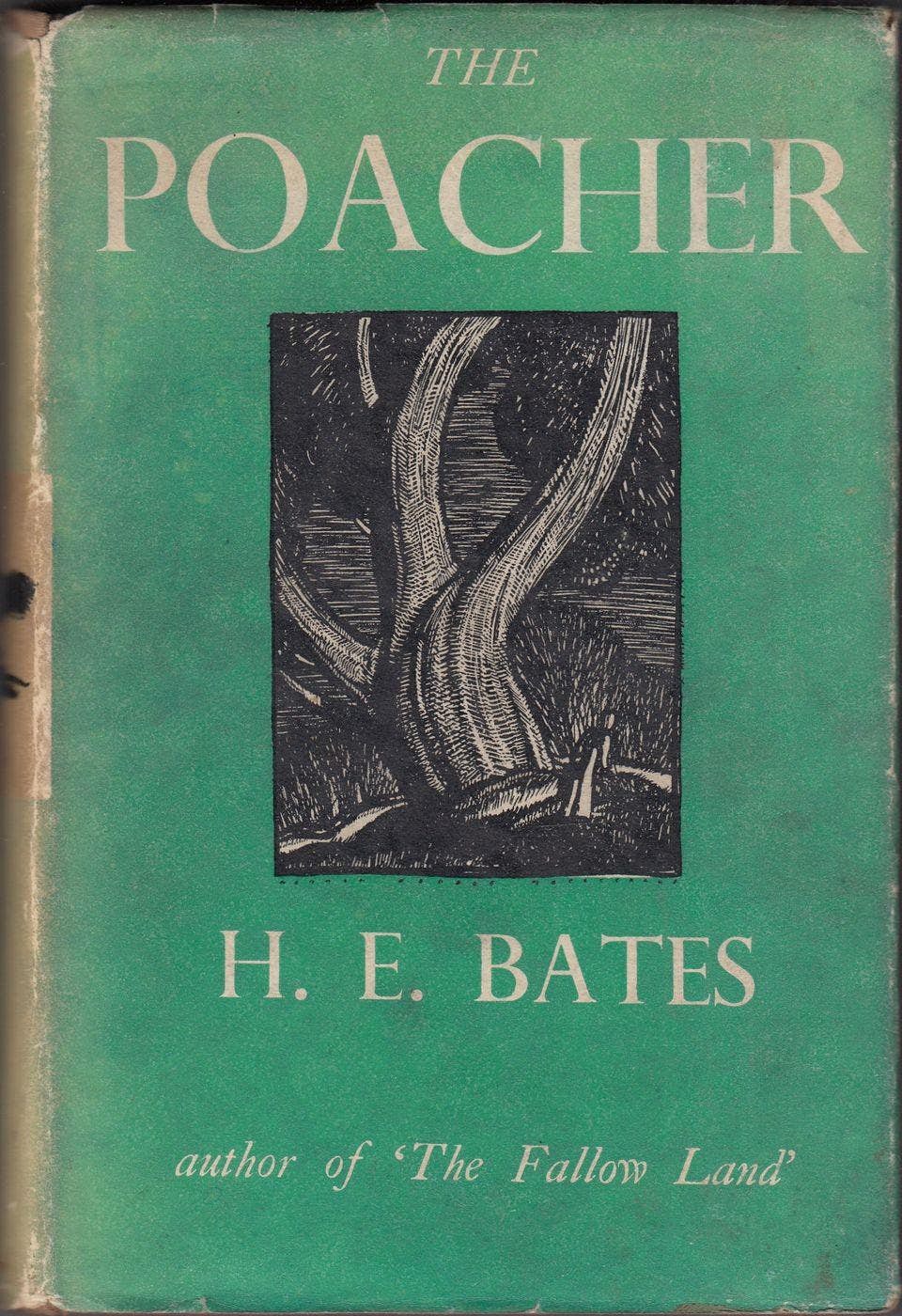
In the arena of storytelling, there’s power in chronicling change. H.E. Bates, best known for writing The Darling Buds of May, does it brilliantly in The Poacher. The relatively compact novel, which Bates’s brother called “almost a family history”, tells the story of a village shoemaker-cum-poacher in a world that is fast fading.
A New York Times review from 1935 reads: “Beautifully and without affectation Mr. Bates has expressed through the story of Luke Bishop’s life his deep feeling for the life of the English countryside, for the changes which have come over it in the last half century and his own nostalgic regret for the order which has passed.”
Laurie Lee’s Cider with Rosie has something of a similar spirit, beginning with Lee as a toddler being set down from an old wagon, and ending with a motorcar roaring into his remote Cotswolds village.
About four years ago I was hunkered down in the mud, five miles east of Hull, with an old wildfowler called Dave Upton. People in Britain seem to talk a lot about the Fens — for those who like psychogeography, Fenland Lincolnshire looms large. But the flatlands that run alongside the Humber, north of the Wash, are every bit as captivatingly bleak. Welwick and Patrington Haven are well worth a visit if you feel like going in search of a lost England.
Dave and I shared a flask of tea as he told me bits and pieces about his life. When he was a young man, he wanted to join the cod fleet but his mother wouldn’t let him, on account of all the young men from Hull who have died down in the Barents Sea, so instead he’d spent his life in the shipyards.
When Autumn rolled round, whenever time allowed, he’d be out on the marsh trying to get underneath the pink-footed geese. He had, it was clear, a sort of spiritual connection with the pinks — the rhythm of his year seemed to be dictated by the geese going away in early spring and returning again with the cold.
It was late in the season when we were out and Dave only fired a couple of halfhearted shots. I got the sense he felt he’d killed enough wildfowl that year — his freezer was full and as much as anything it was just about being out there, where his father shot geese before him and where his son shoots geese now too.
When the light had fully come up and the birds stopped flying across the marsh, we wound our way back across the fields then we drove to a local bakery for breakfast. We ate our pies sitting at a bus stop outside a Methodist chapel. It became clear, as we chatted, that Dave and his brother Paul, who had joined us, have a tremendous appetite for heading all over England in search of shooting and fishing — they are Hull men through and through, but they think nothing of driving four hours in search of a couple of ducks. When I asked them about their tireless travels they shrugged and said, “We got to do it while we can.”
At the time, I assumed they meant they were getting on a bit and they wanted to make the most of life whilst they could. But when I look back on it now and I think about the many battles they were fighting with various authorities over their favourite bit of marsh, which is set to be sacrificed to the sea in the hope of mitigating the risk of flooding in Hull itself, I’m not so sure.
I suppose it’s entirely possible that within their lifetime, through losing ground and through the regulation of wildfowling as they’ve always known it, their world will change. Like Luke at the end of Bates’s The Poacher, a place they loved will be truly gone.
In my relatively short lifetime, all sorts of things have gone. For me, as a writer, the material is rich: hunting with hounds is out, what was left of England’s grey partridge shoots have mostly disappeared, hare coursing has gone, salmon numbers are dire, and an array of birds are heading for extinction. That’s all fairly cut and dried, but I suppose that ultimately only time will reveal the impact of such changes. You can’t really see it in the moment, it’s only years later on looking back that what’s truly been lost becomes clear.