This article is taken from the February 2026 issue of The Critic. To get the full magazine why not subscribe? Get five issues for just £25.
Of all generational twists of fate, the noble practice of publishing books ranks pretty high in any inventory of faded worlds. Once upon a time it brought to mind a round dance of agreeable lunches. Brown Windsor soup, lamb cutlets and Stilton. “No hurry, give us another one just like the other one.”
Gone, like the forward defensive stroke.
A publisher friend of experience and distinction confided five years ago, “When I came into this business I thought the purpose was to publish books — now I know better, it’s about not publishing books.”
Horror stories abound of shifty executives, hectoring “sensitivity readers” and distressed authors. Nigel Biggar, invited to write a book about Empire, found the manuscript returned to his Oxford college two weeks after an editor assured him he had done valuable work.
Hannah Barnes, who investigated the scandal at the Tavistock Clinic for the BBC, and might therefore be considered an expert witness, was ignored by more than 20 publishers. She was rewarded, eventually, as was Biggar, but only through her own determination and after fierce denunciation. One hopes the “cowardy custards” are ashamed.
Another author hauled off to the ducking stool was Kate Clanchy, poet and teacher, whose book, Some Kids I Taught and What They Taught Me, was widely acclaimed upon publication in 2019. The Orwell Prize for political writing followed. Then the backlash began, on social media, where ghouls gather like gulls on a beach.
At worst Clanchy — or KKKlanchy, as one of her rabid pursuers called her — was guilty of using phrases that might appear maladroit. “Chocolate-coloured skin” and “almond-shaped eyes”. But what if the child’s skin was chocolate-coloured, and the eyes almond-shaped?
Those with eyes to see had no difficulty in understanding Clanchy’s purpose. Her pupils, surely the most sensitive readers, had the grace to stand by her as the media storm raged. Not good enough. Nothing ever is, for spear-carriers in the culture wars.
Everything must be seen through the filter of race, class, gender and something called “ableism”. Those who fail the test must be denounced and, as we have seen with Kathleen Stock at Sussex University, run out of town on a rail.
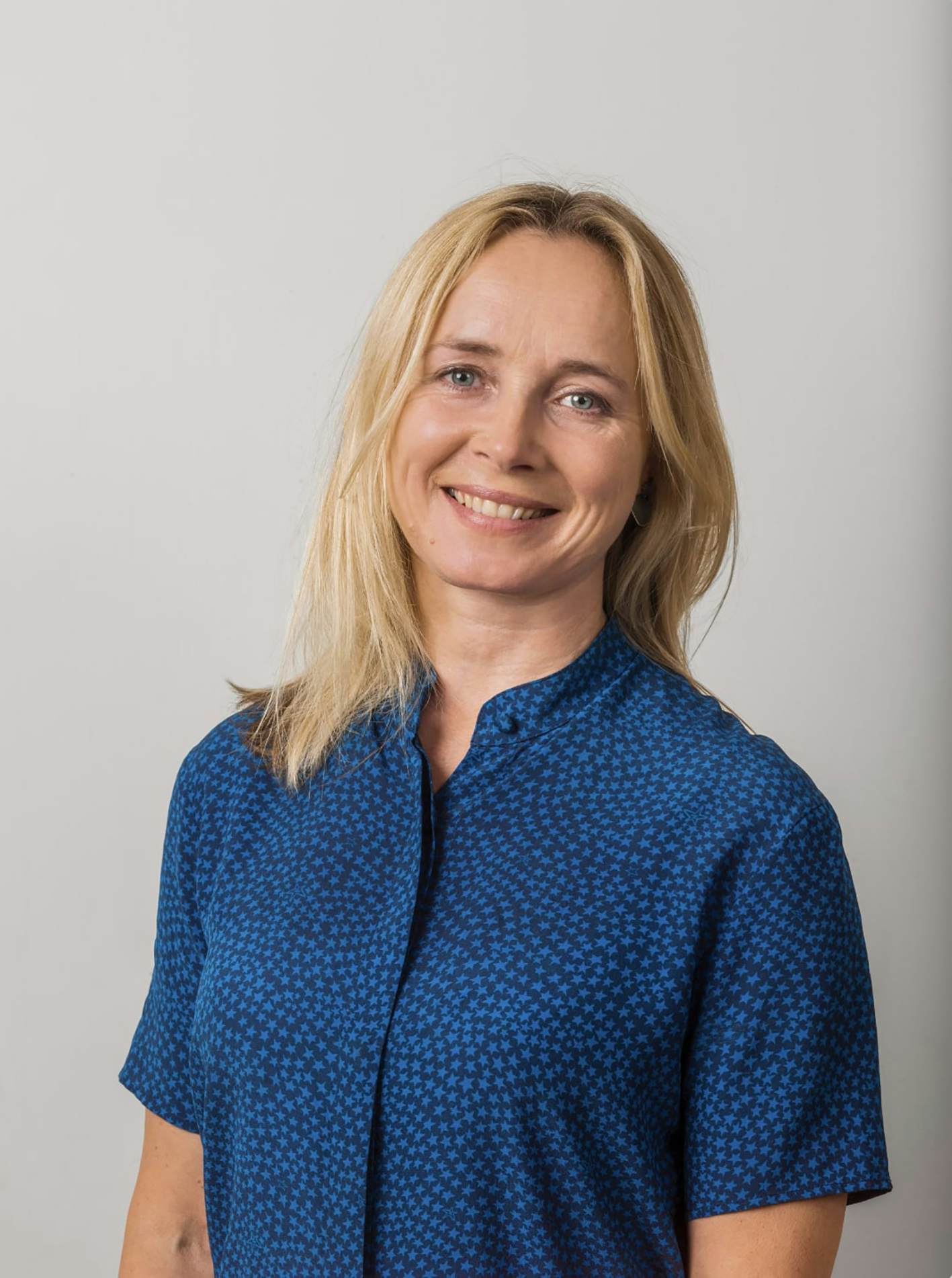
Katie Razzall, the BBC’s media editor, spent a year revisiting this woeful business, and her inquiry yielded a six-part Radio 4 series, Anatomy of a Cancellation. That meant three hours of argument and counter-argument, which was two too many.
As the producer should have realised, Clanchy’s tale of woe would have been covered far more effectively in a single programme. Razzall, fair-minded to the nth degree, presented this story of over-reaction and misrepresentation with tact.
Beginning with Kate’s Story, and concluding with Post Mortem, she set out all facts, and permitted the participants in this grubby drama to flesh out the details.
The most culpable folk were those at Pan Macmillan, who published the book and then withdrew their patronage when the hounds came howling.
Joanna Prior, CEO of Pan, said last year that it had been “a regrettable series of events”, which is one way of putting it, though others might opt for stronger words. Full marks to Swift Press, who supplied Clanchy with a home. Happy to relate, both have prospered.
We heard from Helen Gould, one of those sensitivity readers without whom the world would be a happier place. She didn’t come across as an ogre, but neither did she seem to have any idea of what writers do.
Surely this is the problem with so much in modern publishing, and the world we have allowed busybodies to alter in the name of diversity and progressive values. I am virtuous; you are reactionary. Writing, as publishers of all people should know, is more complicated than that.
Razzall, who also presents Radio 4’s Media Show, is an oddity. She offers “impact” as a verb, as even the Oxford-educated like to do. She also trotted out “learnings”, which in some circles has come to do service for that old-fashioned word, lessons. “Students”, too, for pupils. Again, an alert producer would nip this in the bud.
Did the programmes work? Up to a point. Everyone was given a chance to speak, and most took it. Some of Clanchy’s accusers opted to stay in the shadows, out of remorse or shame, and let’s hope that is where they spend the rest of their days.
Three hours, though. This was clearly a conscious effort to deal with a big subject, hence the Razzall’s earnest delivery: pay attention, this is important. At least they did it. And thank goodness those one-eyed rotters ultimately failed to bring down a writer who, by all decent standards, committed no foul.