DURING this National Grief Awareness Week, experts explain why you might be stifling your own mourning
There are few certainties in life, but loss is one of them.
Yet it still feels taboo to talk about it.
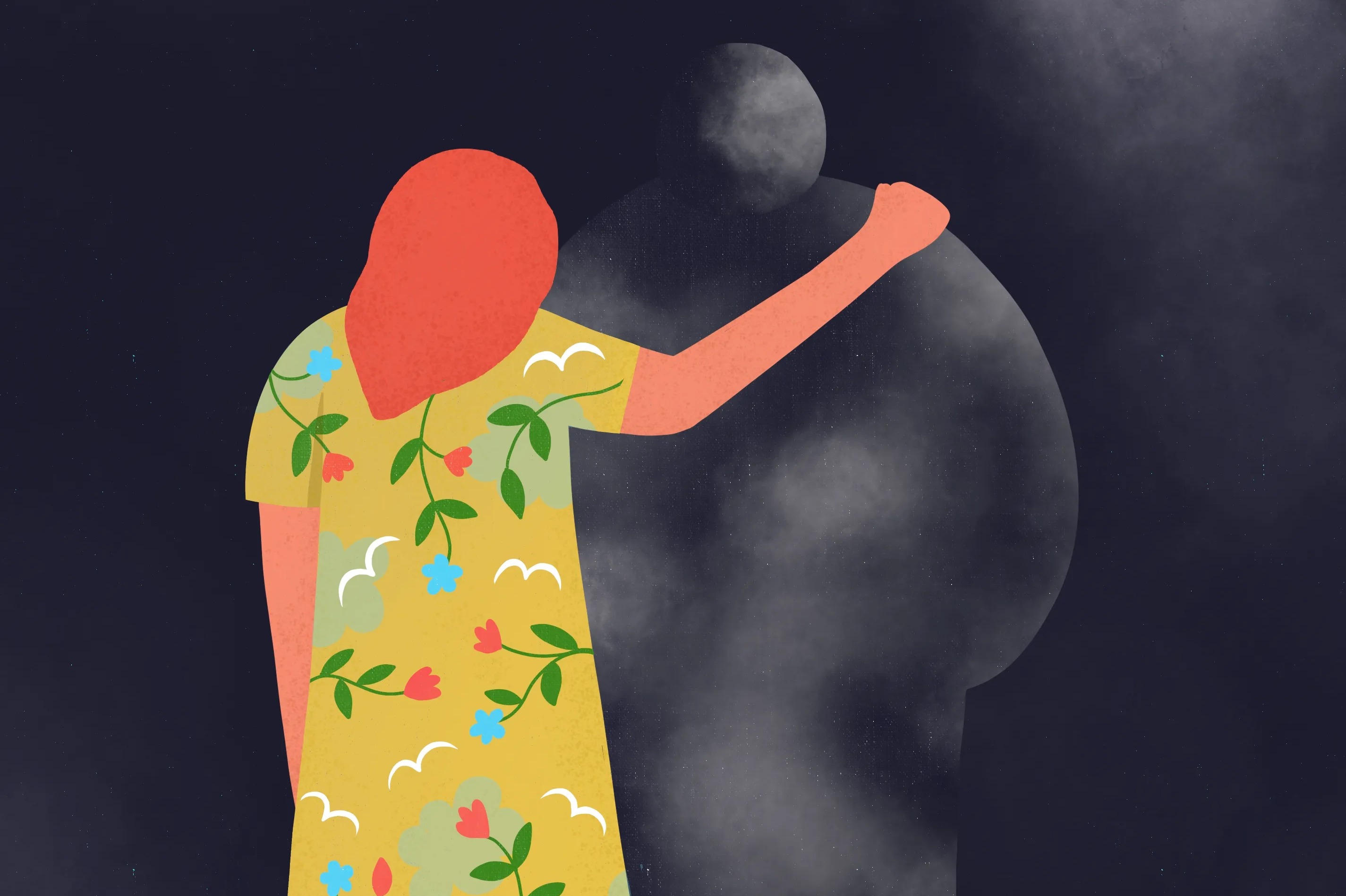
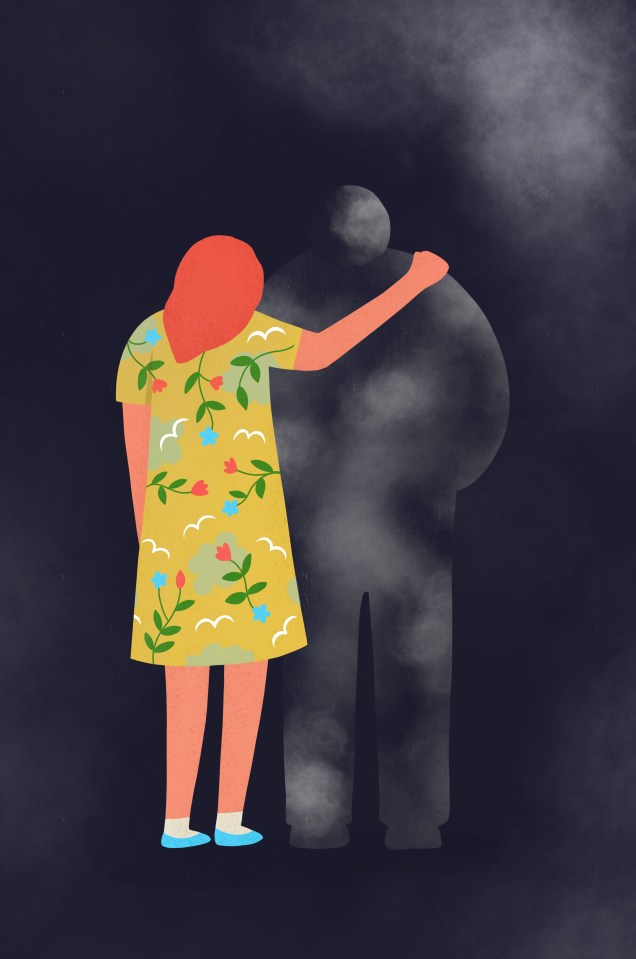
What makes it harder is the unspoken hierarchy of grief.
Beyond the loss of a child, parent or spouse, which is undoubtedly devastating and well-recognised as such, there’s disenfranchised grief, which can refer to the loss of an ex-partner or pet, or to a miscarriage.
It’s the pain society doesn’t always allow you to mourn fully.
Sam Meekings experienced this first-hand when his brother Luke died suddenly from cardiomyopathy on his way home from work, aged 24.
“People know what to say about the death of a parent or a partner, but the words and phrases don’t fit so easily with the loss of a sibling,” explains Sam.
Like so many, the author of Wonder And Loss: A Practical Memoir For Writing About Grief, says he felt compelled to hide his emotions, even lying about his brother’s death to avoid awkward conversations.
“I couldn’t explain my pain to myself, let alone to others.
“I took time off work, and when I returned, I pretended I’d had a sickness that had been doing the rounds.
“The hopelessness and desperation of grieving my little brother felt deeply shameful.”
Experts say this can intensify a person’s suffering – as if grief weren’t isolating enough.
Here’s how to stop minimising your feelings to support yourself and others.
ARE YOU A VICTIM?
You may have been a victim of disenfranchised grief if you’ve been met with a blank face of confusion, felt your feelings were not validated or didn’t receive the sympathy you needed when you opened up.
“If you find yourself thinking things like: ‘I can’t believe I feel like this, but I don’t think anyone’s going to understand,’ it might indicate on some level that you feel your grief is not as legitimate or acceptable as the next person’s.
“You might think: ‘It’s my burden to carry, and I have to keep it secret,’” says grief expert Sara Mathews, a member of the British Association for Counselling and Psychotherapy.
But this can prevent you from getting the support you need.
“Burying feelings is a bit like introducing a splinter into your finger.
“It might start relatively small, but it soon becomes problematic, because shame begets shame.”
LIVE WITH THE LOSS
The pressure to hide pain often stems from unhelpful cultural ideas about how we should mourn.
Ever heard: “You’ll feel better once the funeral is over, as you’ll have some closure”?
It’s well-intended, but just as the term “real loss” is unhelpful, “closure” and “moving on” perpetuate the belief that there are acceptable periods of mourning before it becomes self-indulgent.
“The more modern thinking is that grief isn’t finite, that there isn’t an end.
“Instead, it is something you learn to live with,” says Sara.
That approach is a lasting legacy of The Five Stages of Grief model, introduced in the 1969 book On Death And Dying.
The five stages are denial, anger, bargaining, depression and acceptance.
While this can be helpful for some people, it can also feel like you are doing it “wrong” if you don’t fit the mould.
“It’s misleading because it suggests a linear progression through grief.
“Time allows you to adapt, but you have to be patient and grow around this new truth.”
Grief can last a lifetime, and rear its head when you least expect it.
TAKE OWNERSHIP
If others won’t validate your grief, you must validate it yourself.
Part of the healing process is acknowledging how you feel – anger, sadness, guilt, fear, yearning – without judgement years or even decades afterwards.
“If you’re grieving, you have to take responsibility for it, you have to look after yourself,” says Sara.
Talk about how you feel to someone you trust.
You would hope people would know to ask, but Sara notes that they can’t mind-read, especially with regards to disenfranchised grief.
“You are not only dealing with your own grief, but you might have to help people manage their responses to you if they don’t recognise your grief, or find it uncomfortable,” adds Sara.
Try saying: “I feel really sad about such and such, it’s affecting me more than I expected,” or: “I appreciate the chance to talk about this with you.”
Sara adds: “It is basically about giving other people a clue about how to react to you and to understand what you need.”
ACKNOWLEDGE SADNESS
If someone opens up to you, listen and don’t try to fix their feelings to make yourself feel less awkward.
“Some people can feel uneasy around strong emotions, especially if they think someone is about to cry, because it is difficult to witness somebody else’s pain.
“It is why people will say: ‘Don’t cry,’ or: ‘Don’t get upset.’
“The unspoken message is: ‘Don’t feel or express what you’re feeling, because it’s making me uncomfortable,’” says Sara.
“As a friend or supporter, it helps to just accept that people feel sad.
“Don’t ask: ‘Why do you feel so upset about that?’ because when you question it, you invalidate it, and then you put pressure on the griever to have to come up with a perfect explanation as to why they feel what they feel.
“Quite often, people don’t know why or find it difficult to explain. They just feel it – and that is something to accept.
“Acknowledge what you hear and what you see (eg: ‘You do sound really sad about that’) and let people talk.”
PUT PEN TO PAPER
If the idea of speaking to someone is overwhelming, write instead.
“By writing about your experiences, thoughts and emotions, you are taking control of your story,” says Sam.
“Even if I had been comfortable opening up about my brother’s death, I didn’t know how to begin to talk about the guilt, anguish and disbelief I was feeling.
“So, I channelled my emotions on to the page instead of keeping them burning red-hot inside me.”
He says writing helps sustain the link to the person you lost.
“You’re not writing to commemorate, but to celebrate and preserve what made the person wonderfully, unforgettably unique, so dive into the unusual mannerisms, niche interests and silly things they did.
“Write about disagreements, embarrassments and flaws, and don’t hurry.
“Writing about someone you’ve lost can be painful.
“If you start feeling overwhelmed, step back from it and wait until it isn’t quite so scalding and raw.”
HOW TO HELP A GRIEVING FRIEND
Sara’s top tips:
- Do more listening than talking.
- Avoid judgement. Instead, acknowledge the emotions you are hearing and seeing.
- Don’t make it about you – avoid saying: “I know how you feel.” You don’t know how they feel.
- Check in with people, especially when the shock has worn off. Let someone know you are thinking of them.
If you would feel more comfortable talking to someone you don’t know, look for support from The Good Grief Trust, Sue Ryder and National Grief Advice Service.
Some groups offer specific grief support, such as Paws To Listen (pet loss), Tommy’s (miscarriage), SLOW (sibling loss) and Widowed And Young (for under-50s).