
HALLELUJAH! That mountain of treats you are craving this Christmas might not be so bad for you after all.
Scientists reckon an ingredient found in dark chocolate could help slow the ageing process.
A King’s College London study showed theobromine can reduce DNA damage. Those with more of it in their blood appeared to have a lower biological age.
So don’t feel guilty about indulging in desserts or choccies during the festivities.
Here, we reveal other festive faves that may pack a healthy punch.
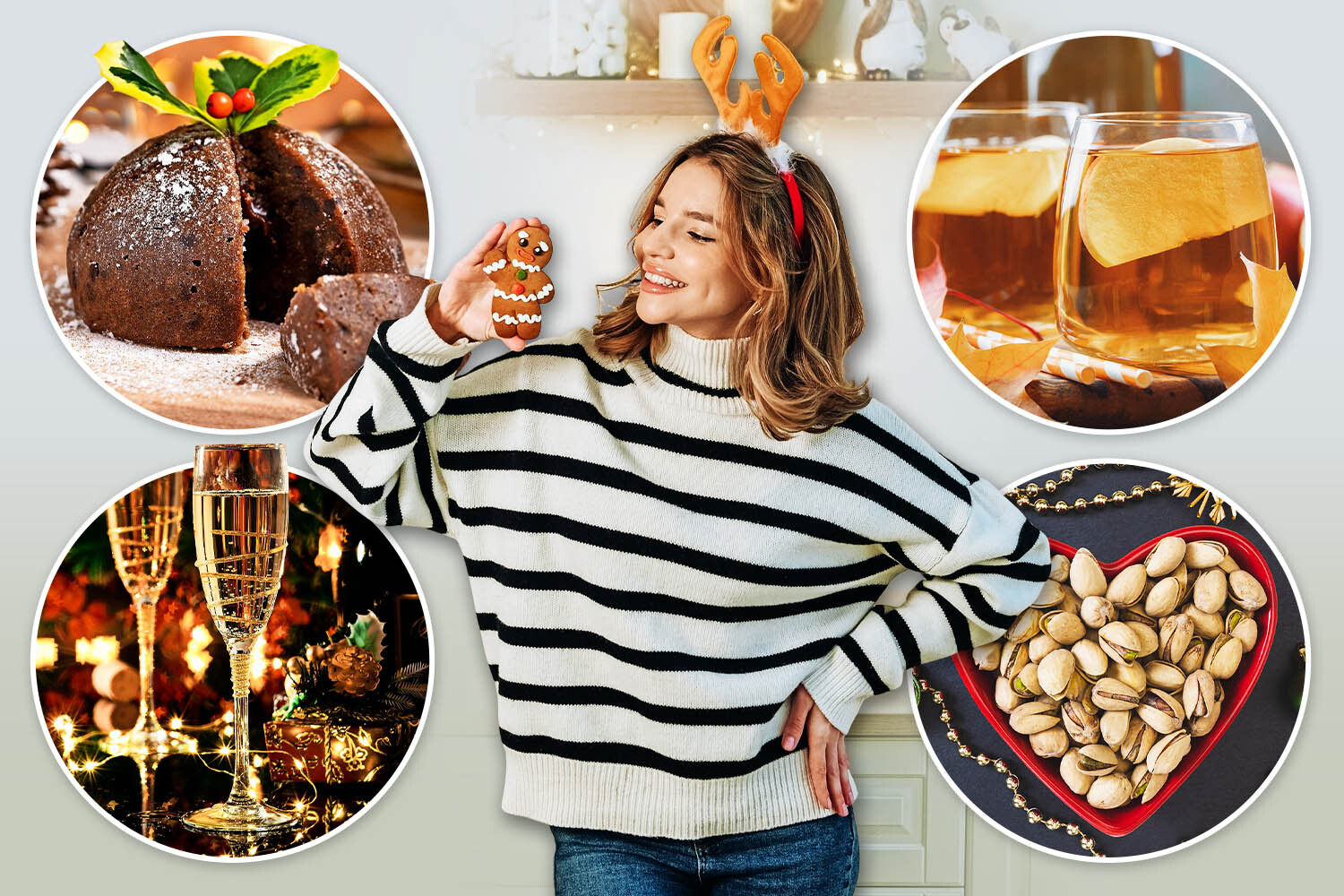
Christmas pud could aid blood pressure
CHRISTMAS pudding is essentially a dense, steamed cake of dried fruit and nuts, giving it a good amount of fibre.


Nuts are a potent source of vitamin E, which is a powerful antioxidant.
A typical serving of home-made pud packs in around a fifth of our daily potassium.
That is a mineral we need to keep blood pressure under control.
The nuts and dried fruits also give us more than ten per cent of our iron for the day, which is required for energy.
Plus, the nutrients are the perfect combination for dealing with a stressful, tiring festive season.
Gingerbread may help Christmas indigestion
GINGER is famed for its anti-inflammatory properties and its ability to settle the stomach, soothe nausea and generally aid digestion.
After gobbling down too much turkey and super-rich Christmas pudding, this could be exactly what you need.
And what’s not to love about easing your discomfort by nibbling on another festive treat, especially a sweet and spicy one?
However, the great news is it’s not just tummy troubles that ginger can be used to combat.
Ginger may also help curb rises in blood sugar.
Pickled walnuts are good for gut health
THIS traditional British delicacy tends to come out only for Christmas buffets, which is a shame as they are nutritional powerhouses.
Scientists have found that eating just 43g of walnuts a day can significantly increase probiotic good bacteria in our gut.
Pickled versions may also add some prebiotics, to boost these good bacteria further still.
Combine this with their ability to dampen down inflammation and contribute to oils essential for brain health, and you can’t go wrong with starting a long-term walnut habit this festive season.
Mulled cider may ease bunged-up nose
A DELICIOUS mulled or spiced cider is the ultimate Christmas market treat to warm the spirits.
There is no escaping that alcohol is bad for us.
But the warmth, moisture and aroma from the spices in this treat may help with winter congestion by soothing membranes inside the nose which can make you feel temporarily less bunged up.
Why not opt for an alcohol-free version instead, so you can feel even more clear-headed and lose the health pitfalls commonly associated with booze?
Roasted chestnuts boost vitamin B6
OVEN-roasted chestnuts are a wonderfully tasty festive treat.
They contain a notable amount of vitamin B6, offering a sixth of our daily needs in a 60g handful.
This vitamin is necessary for releasing energy from the protein in your Christmas feast, such as turkey, and the carbohydrates from your goose-fat roasted potatoes.
Vitamin B6 is also vital for creating the red pigment in our blood that carries oxygen around our bodies.
This is key to keeping us feeling energised during the most wonderful time of the year.
Pistachios could help to keep eyesight sharp
THOSE yummy bowls of nuts dotted around festive buffets may seem like pure indulgence, but they are harbouring a nutritious secret.
Pistachios are a surprisingly rich food for so-called “xanthophylls”, pigments that are good for our eye health.
Crunch your way through a bowl of the savoury snack and you will be stashing away antioxidant pigments that help to fight the impact of pollution and ageing on our eyesight.
Eye experts are increasingly finding links between a good intake of these precious pigments and a reduced risk of cataracts and age-related blindness.
Prosecco can stop blood alcohol level soaring
DRINKING too much at this time of year is easily done – but sipping on a lower- alcohol prosecco can reduce the stress on your body.
“Holiday Heart Syndrome”, seen specifically at Christmas, is an irregular heartbeat known as arrhythmia, brought on by excessive alcohol. It is a disruption of the electrical signals in your heart.
To cut your risk, drink sparkling wine with eight per cent ABV – much lower than the 12.5 per cent in boozier bottles.
By having one 125ml glass of these wines, it will help you to keep within NHS guidelines of a maximum 14 units per week.