FORGET decorating the Christmas tree and wrapping presents, this year there’s a new festive stress to contend with… for the millions of Brits showing off slimmer figures thanks to, you guessed it, fat jabs!
How does the dedicated jabber navigate weeks of parties without sucking the fun out of the room? And what about the very real threat of weight gain? That’s right, experts warn jabbing on the wrong day over Christmas and other common ‘traps’ could see those lbs pile back on.
The amazing thing about jabs like Mounjaro and Wegovy is that they can help people lose up to 15 to 22 per cent of their weight.
They were originally designed to help manage diabetes, but have soared in popularity since being licensed to slim down.
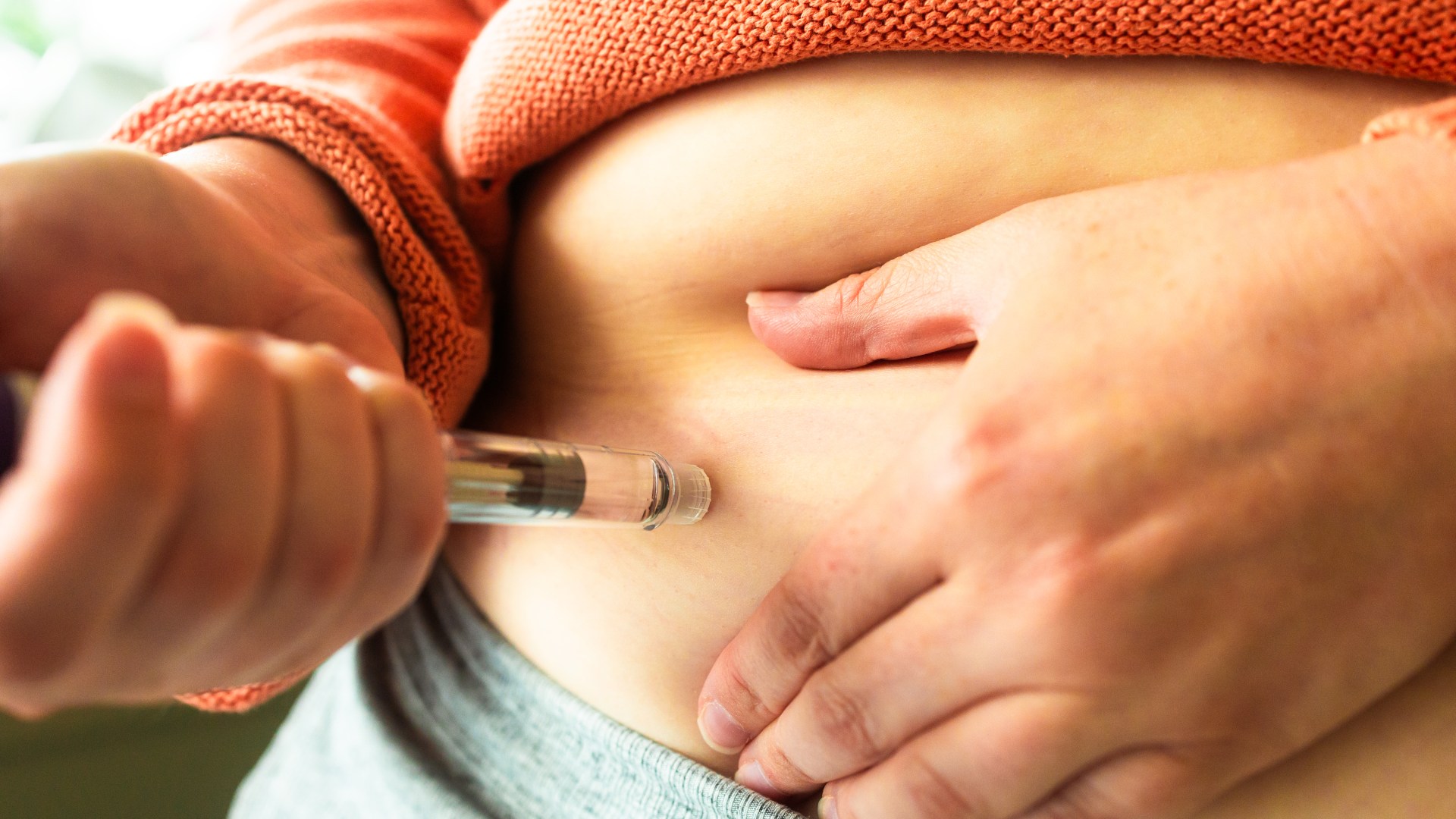
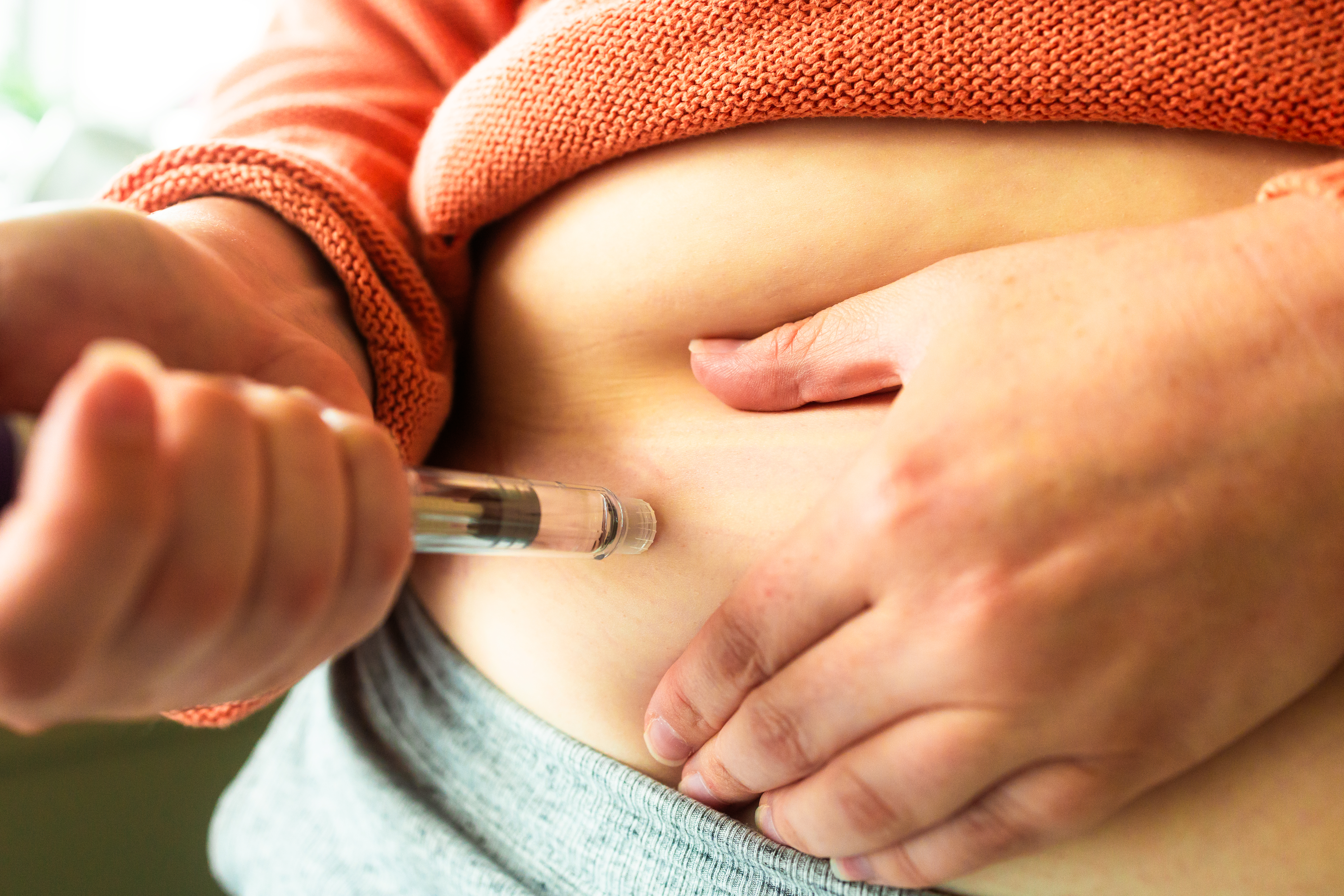
The drugs, known as GLP-1s, are injected once a week, from which point, they get to work mimicking natural gut hormones that suppress your appetite. This helps to curb overeating and cravings.
But appetite suppression doesn’t typically last the full seven days.
And, if you’re keen to stick to your weight loss dreams over Christmas (rather than have a break, and indulge), then you’ll want to time your jab smartly.
“For many patients, appetite suppression only lasts for around five days after a weekly jab,” Professor Franklin Joseph, head of Dr Frank’s weight loss clinic, tells Sun Health.
“But it does depend on various factors, including the stage of their journey and the dose of their medication.
“While the medication is active in the system for a full week, the appetite-suppressing effect tends to peak between days two and four, then gradually tapers off by day five or six.
“So by day seven, just before your next injection, you might notice hunger creeping back in.”
Let’s not forget that Christmas feasting isn’t exclusive to the Big Day, but the days before, the week after, and at New Year celebrations.
Here’s how to align your jabs accordingly, how to cope when your appetite starts creeping back, and the fat jab faux pas that will only make hunger worse…
JAB TIMING FAIL
CHRISTMAS Day falls on a Thursday this year – cue the brunch, huge lunch, cheese board and treats throughout the day.
“If you want to keep food noise switched ‘off’, your best bet is to inject on the Tuesday or Wednesday before Christmas Day,” Prof Franklin says.
This means the following week, you’ll also be primed to avoid any New Year celebration treats, too.
“I often recommend patients inject on a day that aligns with their biggest hurdle, whether that’s a Saturday night takeaway or a Friday office buffet,” says Prof Franklin.
“If you know your willpower dips on weekends, injecting on a Thursday or Friday means the strongest appetite suppression will hit right when you need it most.
“It’s a simple strategy, but it works.”
However you celebrate Christmas – perhaps your biggest ‘feast’ is the weekend prior – make sure your jabs align with the plans you have.
PLATING UP WRONG
GAWPING at all the delicious things on offer at the work party buffet or Christmas Day lunch, the worst thing you can do is go in without a strategy.
There are three things to remember when it comes to choosing the right foods: protein, carbs and fat.
It’s best to get a balance of all three on the plate – a small fistful of carbohydrates, a thumb-sized piece of fat and a palmful of protein.
This is particularly true if your appetite is suppressed and you are eating very little, because you need to make sure you are getting enough essential nutrients.
You don’t want to trigger more hunger and make it harder to stay in control when your appetite returns
Professor Franklin Joseph
When it comes to fat, a little is enough.
But we can’t always see fat in foods, especially when it is cooked into foods like crisps, pastries and desserts, or fatty meat.
This includes duck, pork and goose – all popular over the festive period. So steer clear of things like pork belly bites, duck spring rolls, and sausage rolls.
Other high-fat foods at Christmas include cheese and quiches. And if you have something sweet, keep it to a couple of mouthfuls.
Healthy fats, such as nuts, are a good snacking option.
“These reduce your cravings between meals and preserve satiety levels,” says Dr Clare Thompson, GP at the Cadogan Clinic.
Carbohydrates aren’t bad for you, but large portions can be a problem.
So keep roast potatoes to a couple and avoid the Yorkshire pudding (high in fat, too), if you can.
Are you eligible for fat jabs on the NHS?
TO be eligible for NHS weight loss injections, you typically need a high BMI (body mass index) and a number of weight-related health conditions.
A BMI of 40 or more is usually required, or a BMI of 37.5 or more for certain ethnic groups.
For people from South Asian, Chinese, other Asian, Middle Eastern, Black African, or African-Caribbean ethnic backgrounds, a lower BMI of 37.5 or higher may be considered due to increased health risks at lower BMI levels within these groups.
Additionally, you must have at least three or four of the following conditions:
These injections are generally provided with a structured weight management programme that includes lifestyle support.
If you’re looking to access weight loss injections on the NHS, discuss your options with your GP.
There are always copious amounts of bread, crisps and crackers at Christmas, so again, keep an eye on portions.
Prof Franklin says: “Too many carbs can cause blood sugar spikes followed by crashes.
“This rollercoaster triggers more hunger and makes it harder to stay in control when your appetite returns.”
But balancing your carbs with fibre and protein will help to balance your blood sugar out.
Dr Clare says eat lean sources of protein at every meal; lean options include fish, eggs, chicken and… turkey!
“Generally speaking, aim for a piece of protein that’s about the size of the palm of your hand,” she says.
In terms of fibre, not only is it a weight loss winner, but it will be even more vital this time of year for Mounjaro and Wegovy users.
They are at a double-whammy risk of stomach upset due to the diet changes at Christmas, and the medicines slowing digestion.
“Weight loss jabs slow down your gastric emptying, so you do tend to get a bit sluggish in your bowels,” she says.
“Increase your intake of whole grains, non-starchy veggies (such as spinach, kale, broccoli, cauliflower, peppers and cucumber) and low-sugar fruits like berries, peaches, apples and pears.
“These contain fibre and can help to make sure you don’t get too constipated.”
WORK IT OUT
EXERCISE is always important but on jabs, it’s essential. Without it, you risk losing muscle instead of fat, which can slow your metabolism and make the jabs less effective.
Plus, at Christmas, making time to move can help counteract all the festive parties and hours spent lying horizontal on the sofa.
Exercise can help curb appetite, which is particularly helpful when it rears its head on days six and seven.
A vigorous workout (such as HIIT, running and skipping) was shown to suppress levels of the hunger hormone ghrelin more than moderate exercise (such as walking, cycling and swimming), in a study published in the Journal of the Endocrine Society.
But just do what you can, even if it is setting yourself a target of walking 5,000 extra steps each day.
Dr Clare says: “It’s not practical for everyone, but if you can do exercise in the morning, it tends to put you in the right mindset.
“You tend to make healthier choices when you start the day in the right way.”
Exercise also releases endorphins, the feel-good hormones, which can help keep your mood up and reduce the desire to eat comfort foods.
To help counteract muscle loss, strength workouts are your best bet because they preserve and build muscle.
Eat a carb-focused snack beforehand, to give you plenty of energy.
SLIM PICKINGS
SO your appetite is lower – great!
But you still need to be consuming a certain number of calories to simply maintain your energy and keep on living your life as normal, as well as exercise.
If you eat too little, when your appetite creeps back on days six and seven, you’ll be even hungrier than usual.
This could fall at a time when you are faced with more temptations, such as a family get-together.
To get an idea of how much you should be eating, Dr Clare says to use your basal metabolic rate (BMR).
It’s the minimum number of calories you need just to stay alive.
If you suddenly eat more during specific windows, you could increase the risk of suffering side effects
Dr Daniel Gordon
Once you consider this against how much you exercise (which burns more calories), using a calculator, you’ll get an idea of how much you should be eating.
Eating at your BMR will help you maintain your weight, while eating below it will help you lose weight.
“These medications just help you go into that calorie deficit in a safe way,” says Dr Clare.
BMR will vary depending on your body mass, lifestyle, gender and how much you exercise.
If eating more calories seems impossible, Dr Clare recommends nutrient-dense soups which can be easier to consume.
Smaller portions, more often, can also help you to hit your calorie target.
Dr Clare warns that if you can’t stomach food at all, then it’s likely you’re on too high a dose.
NO SIDE EFFECT DAMAGE CONTROL
FILLING up on pastries, biscuits, crisps and other processed foods that take your fancy at Christmas might seem harmless, because after all, you’re taking a weight loss jab.
But they are likely to stall your progress and even worse, can make you feel unwell.
Prof Franklin says: “If you spend days one to four [after injecting] indulging in ultra-processed snacks or sugary foods, you risk spiking blood sugar and triggering hunger when the jab wears off.
“Use the low-appetite window to build discipline (i.e. saying ‘no’ to UPFs), not treat it like a ‘free pass’, because the jab won’t protect you forever.”
How fat jabs work – and how to get maximum results safely
WEIGHT loss jabs were originally developed to treat type 2 diabetes – and Ozempic is still prescribed for that.
Wegovy and Mounjaro, which are now available on the NHS, along with Saxenda, are licensed for weight management in obese adults (BMI over 30) or those who are overweight (BMI over 27) with related conditions such as high blood pressure or high cholesterol.
They work by mimicking hormones like GLP-1, which help regulate appetite, slow digestion and make you feel fuller for longer – often leading to dramatic weight loss.
The health benefits can be huge, since obesity is a major risk factor for type 2 diabetes, heart disease and certain cancers.
But not everyone sees the same results. One common mistake is expecting it to work instantly.
For example, taking it right before a takeaway, special occasion, or big night out in the hope it will stop you from overindulging.
Jason Murphy, head of pharmacy and weight loss expert at Chemist4U, says: “Taking the jab right before a takeaway or party won’t automatically stop you from indulging.
“Weight loss injections need time to build up in your system. They don’t blunt your appetite immediately after injection.
“It usually takes a few days to start feeling a difference, and several weeks for the full effects to settle in.”
Inject your dose mid-week if you plan for a heavier weekend.
Another common error is injecting in the same spot each time.
“People often default to injecting in the same spot over and over, but this can cause local irritation or even small lumps of fat under the skin (lipohypertrophy),” Dr Crystal Wyllie, GP at Asda Online Doctor, explains.
“This can affect how well the medication is absorbed and make it less effective.”
She recommends rotating injection sites between the abdomen, thigh, and upper arm, and even picking different spots within those zones.
And never stop using them suddenly as this can lead to rapid weight gain, Mital Thakrar, a pharmacist from Well Pharmacy, warns.
“There’s a tendency to ditch weight-loss treatments as soon as you reach your desired weight,” he says. “But that’s not our advice.”
A recent University of Oxford study found people typically return to their original weight within 10 months of stopping treatment, especially if lifestyle changes weren’t firmly established.
“Without the appetite suppression, hunger and cravings return quickly,” Mr Thakrar explains.
This includes healthier eating, which means cutting out junk food and alcohol while increasing protein and fibre, as well as exercising regularly.
“Building habits like these during treatment is key for sustaining results,” he says.
“Many patients see improvements in blood sugar, cholesterol, and blood pressure.”
But stopping too soon can reverse these gains if weight creeps back.
Finally, if you’re not seeing results, you might be missing the oldest rule in the book – drinking enough water.
“Dehydration is a common, yet indirect, side effect of weight loss injections,” Dr Wyllie says.
The drugs dull appetite, and in doing so, they can also blunt thirst signals. Yet hydration is crucial for the body to function properly.
“Aim for two to three litres per day, sipping regularly, not just when thirsty,” Dr Wyllie explains.
“Hydration supports metabolism, digestion, and can reduce side effects like headaches, nausea and constipation.”
Plus, when your appetite wears off, overeating on unhealthy, typically processed foods could also cause a lot of damage
Dr Daniel Gordon, a GP from DGA Health, adds: “Overeating could theoretically undo a lot of the progress made earlier in the week.
“If you suddenly eat more during this window, you could increase the risk of suffering side effects with your next dose.
“These medications delay how quickly the stomach empties, so if you eat heavy or rich foods, you’re far more likely to experience side effects like nausea or bloating.”
If you want the best results from your weight loss jab, Dr Godon says you should aim for consistency across the whole week, avoiding cycles of bingeing and then restricting.
LETTING IT ‘GET TO YOU’
STRESS is the enemy of weight loss at the best of times.
Now, you’re probably pulling your hair out with all the Christmas-induced pressures!
On paper, stress doesn’t stop the medicine in weight loss jabs from working.
But, Dr Daniel says it can definitely override appetite suppression when it comes to how we eat.
“If someone tends to comfort eat when they’re stressed, they may find themselves more vulnerable to cravings or emotional eating, especially later in the dose window when their appetite starts to return,” he explains.
If your life is overwhelmed with stress, now’s the time to manage it so you don’t feel even worse in 2026 and you can start the new year right.
Devote time away from work each day, take a walk or enjoy time outdoors, practice breathwork or yoga or try journaling to get all your worries out of your head and onto paper.
Just 11 minutes of daily yoga nidra, a type of meditation done while lying on your back, can help reduce stress and improve sleep, according to research in the journal Current Psychology.
HOW TO MAKE APPETITE SUPPRESSION LAST
DON’T let days six and seven throw your weight loss off track.
Here’s how you can extend appetite suppression into your last two days – and it will become handy once you wean off the jabs entirely.
STARTERS
START meals with a soup or salad before tucking into your main.
Prof Franklin says: “Low-calorie starters create volume in your stomach and slow digestion, reducing the amount you eat at the main meal.”
TIMER
SET a 20-minute timer when you sit down to eat. Gobbling down your food could mean you end up going back for seconds and overdoing the calories.
“It takes about 20 minutes for fullness hormones to register,” says Prof Franklin. “Slowing down gives your brain time to catch up.”
Try putting your cutlery down between mouthfuls, chew each mouthful 20 times and set a 20-minute timer to encourage you to slow down.
HYDRATE
STAYING hydrated can help to avoid constipation and stop you from spiking your calorie intake.
“Mild dehydration can mimic hunger,” says Professor Franklin. “A glass of water before meals can curb false appetite and stop overeating.”
Aim for 1.5 to two litres of water per day and keep a glass by your bedside to remind you to drink when you wake up.
WATCH CALORIFIC DRINKS
YOU don’t need to make it through the entire week without your favourite cappuccino or glass of red, but Prof Franklin recommends giving them a miss on days six and seven of your weight loss jab cycle.
He says: “Alcohol lowers inhibitions and caffeine can increase levels of the stress hormone cortisol.
“Both of these can fuel cravings and make it harder to stay on track as the jab wears off.”