
THE cold weather can trigger a range of irritable symptoms, from a runny nose to dry eyes.
Itchy skin is another, when cold dry air draws moisture out of your skin – but it could also be a sign of one of the UK’s deadliest cancers, an expert warns.

The UK has seen the first cold snap of winter this week, with temperatures in Scotland falling as low as -12C.
But as wintry weather sets in, a leading cancer surgeon has urged the public not to overlook early warning signs of pancreatic cancer.
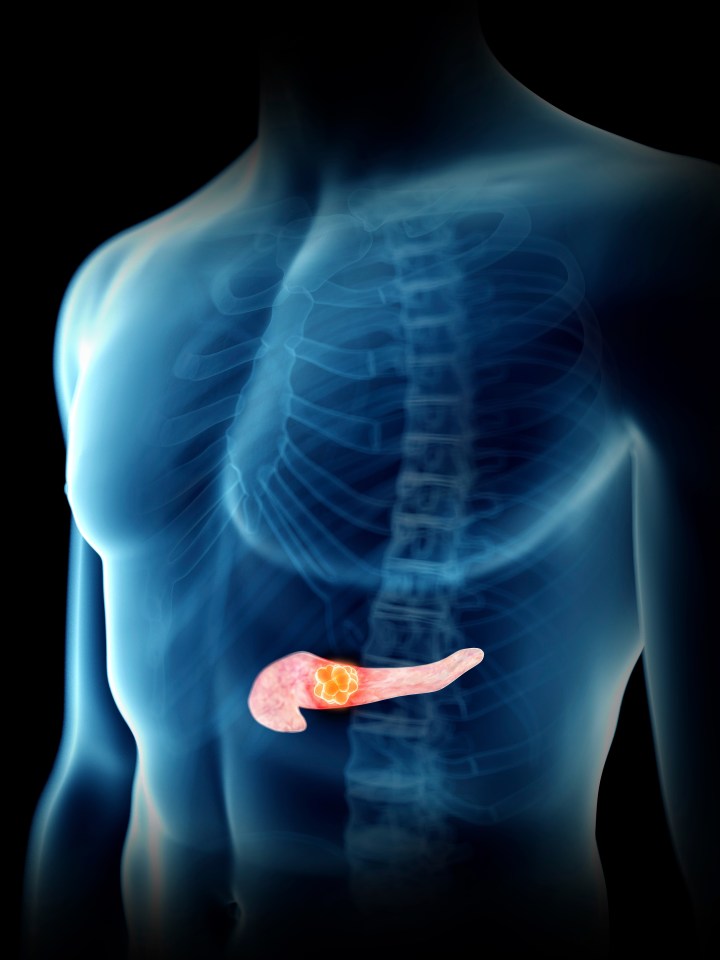
Pancreatic cancer is called the ‘silent killer’ because its early stages are often symptomless, leading to late diagnoses when the disease is more advanced.
It also has the lowest survival rate of all common cancers, with a five-year survival rate of less than 7 per cent.
Read more on pancreatic cancer


Early diagnosis can dramatically improve outcomes, yet many people dismiss the early symptoms as harmless or unrelated.
Mr Neville Menezes, Consultant Pancreatic Surgeon at Ashford and St Peters Hospital NHS Foundation Trust, said: “Pancreatic cancer can develop quietly. By the time symptoms become severe, the disease is often advanced.
“Recognising subtle changes in your body and acting quickly can make all the difference.”
He outlined the key symptoms that should never be ignored, especially if you experience them together – one of which is itchy skin:
- Persistent upper abdominal or back pain that doesn’t go away and does not respond to medical treatment like analgesia or medication to decrease stomach acid.
- Itchy skin, which can occur before jaundice appears.
- Jaundice, where the skin or eyes turn yellow, often accompanied by dark urine or pale stools.
- Unexplained weight loss or loss of appetite that persists.
- New-onset diabetes, particularly in people over 50 with no family history, additionally, if diabetes appears suddenly in people who otherwise have a healthy diet and healthy lifestyle.
- Digestive issues, such as nausea, indigestion, bloating, or changes in bowel habits that are persisting for no apparent reason.
Itchy skin from pancreatic cancer is primarily caused by a buildup of bile salts in the bloodstream due to the tumour blocking the bile duct, leading to jaundice.
The blockage prevents bile from entering the intestines, causing bilirubin (a component of bile) and other bile salts to accumulate in the blood, which then trigger an itching sensation.
Itchy skin from pancreatic cancer can occur all over the body, but it is often worse on the legs, chest, arms, and feet.
Mr Menezes said: “These symptoms don’t always mean pancreatic cancer, but if they persist for more than four weeks, it’s crucial to see your GP to make sure that these are not serious symptoms.
“GPs now have access to Non-specific but Serious Symptoms Clinics (NSSSC).
“These clinics are intended to capture patients early due to any cancer that may be presenting with vague but serious symptoms.”
Mr Menezes runs one of these clinics along with a team of specialists.
He also believes we’re on the cusp of a profound change in the early diagnosis of cancers with the development of biomarkers, with AI generated diagnostic modalities for early detection of cancers coming soon.
He said: “Cancer treatment with immunotherapy, precision oncology, cancer vaccine, targeted chemotherapy and nanotechnology could bring about a cure for most cancers.”
Pancreatic Cancer Action, the UK charity dedicated to early diagnosis, is urging anyone experiencing the symptoms above to trust their instincts and seek medical advice.
Anthony Cummings, CEO of Pancreatic Cancer Action said: “We want people to understand what to look out for.


“If you spot these signs and act early, you stand a far greater chance of surviving this disease.”
To find out more about the symptoms visit: www.panact.org/deadlykiller
Current statistics on pancreatic cancer
- 29 people are newly diagnosed with the disease each day
- For those diagnosed early enough for surgery, survival rates beyond five years increase by up to 30 per cent
- 50 per cent of people diagnosed with this deadly disease will die within 3 months, and a shocking 93 per cent will die within 5 years.
- More than 50 per cent of cases are diagnosed in A&E, where it is often too late for curative treatment
- Pancreatic cancer is the 5th most lethal cancer and the 10th most common in the UK
- The disease receives just 3.1 per cent of cancer research funding, despite its high mortality
- The five-year survival rate is less than 8 per cent, and 26 people die from pancreatic cancer each day
- Only 10 per cent of patients are diagnosed in time for life-saving surgery
Source: Pancreatic Cancer Action