WEIGHT loss, better sleep, glowing skin and more energy – when a product makes such bold health claims, it’s no wonder it becomes so popular.
Matcha has reached peak mania this year, with Caffè Nero, Starbucks, Costa, Pret and major supermarkets all jumping on the bandwagon.
Made from ground green tea leaves, it’s often served as hot or cold lattes, delivering a natural energy boost without the high caffeine levels of coffee.
But drinks can often contain added sugar and flavourings to mask the grassy taste.
Caffè Nero predicts the global matcha market will continue to grow from its current £1.7billion to £2.1billion by 2028.
And it’s not the only “health drink” having a moment.
READ MORE ON HEALTH AND DIET


The market – which includes everything from ginger shots to protein shakes – was worth about £132billion in 2022, and experts think it will almost double to £256billion by 2030.*
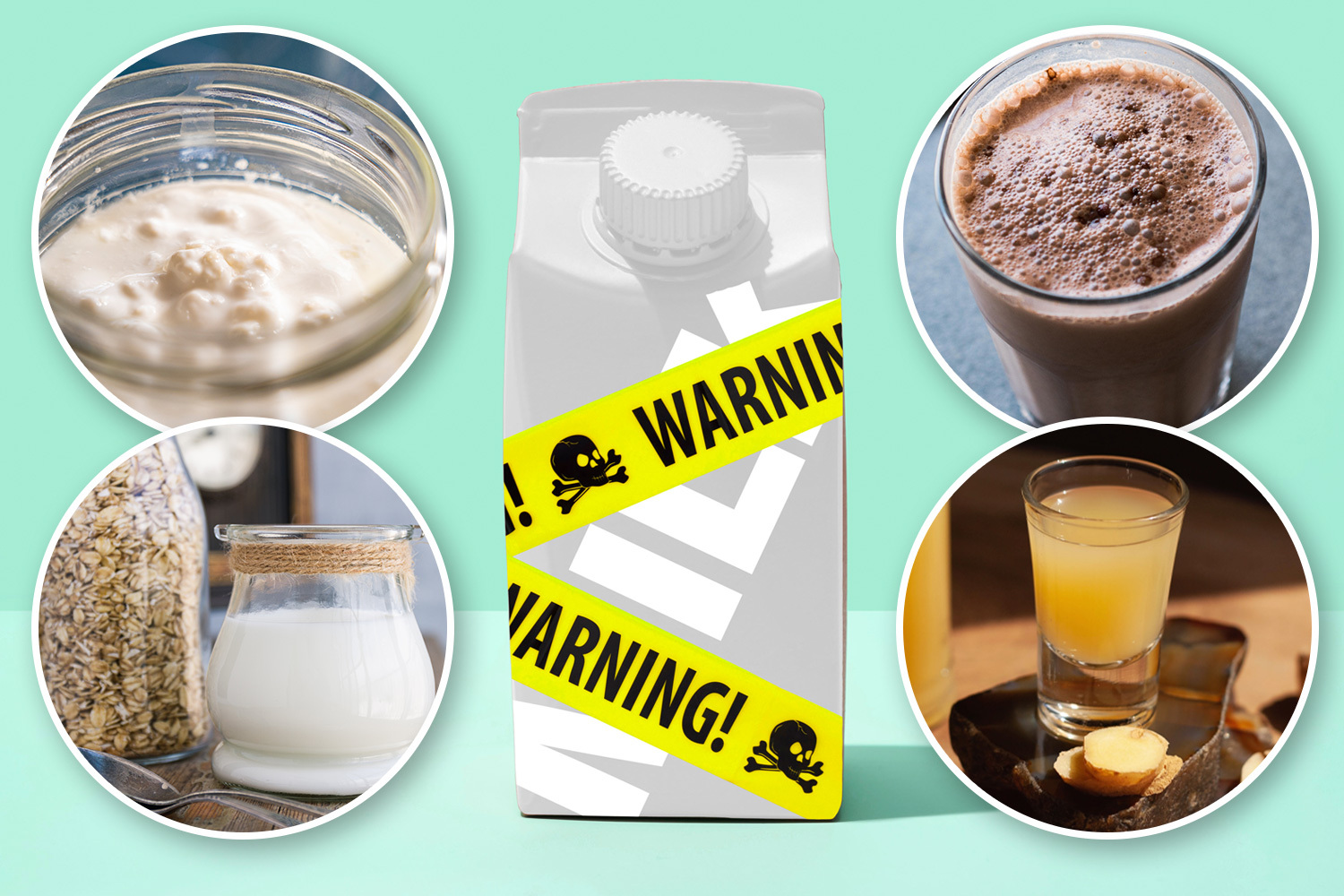
But you could be adding hundreds of calories, plus extra sugar and nasties to your diet. We take a look at the drinks that really are too good to be true…
What is a wellness drink?
These beverages are designed to enhance your health and wellbeing with added beneficial ingredients, such as vitamins, minerals, probiotics, antioxidants and herbs.
They often claim to offer relaxation, weight loss, improved gut health, or a boost of energy.
Most read in Diet & Fitness
“Wellness drinks can be great – they are super-convenient and often have lots of nutritional benefits,” says Clarissa Lenherr, a BANT-registered nutritionist specialising in gut and women’s health.
“But there can be huge differences from one version of a wellness drink to another, and this can be the difference between it actually giving you the benefits you want and the negatives you don’t.”
Kefir
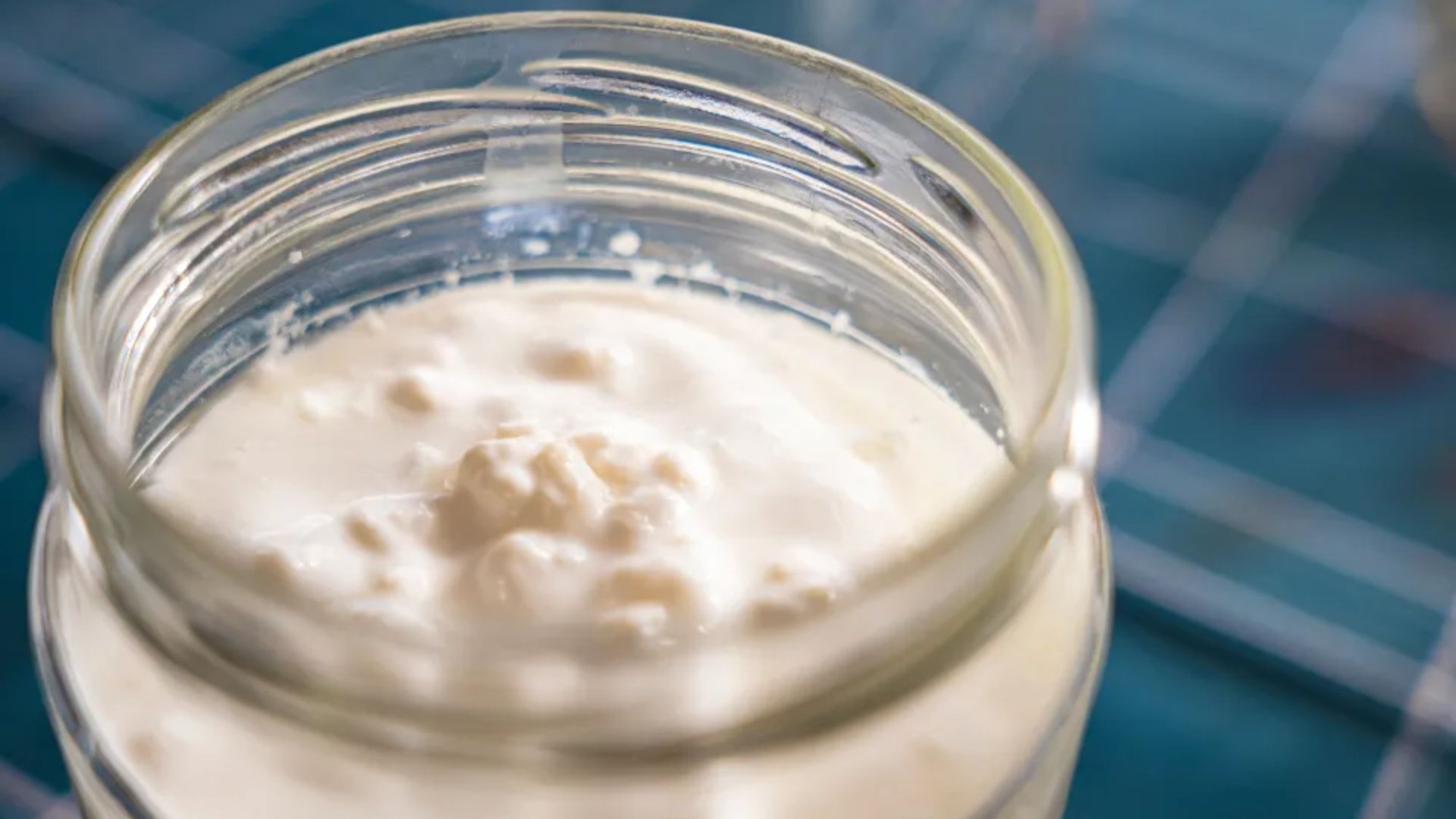
Made with milk or water and kefir grains, this fermented drink contains probiotics that support gut health and has a consistency and flavour similar to yoghurt, but is more tangy.
Its origins are thousands of years old and, while popular in Eastern Europe and Western Asia, kefir is only just taking off in the UK.
“The trouble here is, unlike natural kefir, many of the new flavoured varieties have added sugar that creates a blood-sugar spike and adds calories to the drink,” says Clarissa.
“Brands that don’t add sugar are instead adding unnatural sweeteners and flavours that may be bad for our gut health.”
Want to do it right?
“Avoid the flavours and go for plain kefir and, if you’re desperate for flavour, add your own with berries and fruit,” says Clarissa.
Plant-based milks
We all remember the day we first heard a friend order an oat milk latte: “It’s healthier,” they said. But is it?
Plant-based milks are certainly lower in calories than dairy milk, but they miss the valuable vitamins.
“Soya milk tends to be the highest in protein, as it’s the closest match to cow’s milk, providing around 8g of protein per cup,” says Clarissa.
“Oat and almond milks are much lower, with less than 1g of protein per serving.
“If you are vegan or dairy-free, you may wish to try a fortified option with added calcium, vitamin D, and B12.”
Often, plant-based milks have additives to make the products last longer and improve the taste and texture.
“This can wreak havoc with our gut health,” advises Clarissa, who chooses unsweetened and organic options.
“Look for the shortest list of ingredients – my go-to brand is Plenish, as there are often just three ingredients such as almonds, water and sea salt.”
Ginger shots
These small drinks are popular for their anti-inflammatory capabilities.
“This can help with digestive issues, muscle and joint pain, and improve circulation, while also potentially improving immunity,” says Clarissa.
Initially, a little lemon juice was used to help neutralise the spiciness of ginger. But as demand has grown, so has the list of extra ingredients.
Fruit juices, such as orange or apple, are often the main ingredient, upping the sugar content and calories, plus honey is also added. Before you know it, your ginger shot has 4g of sugar.
“It’s not ‘bad’ to have a little natural sugar in your diet, but be aware that fruit juice is very high in it, so you get a lot of added calories and sugars without the fibre of the whole fruit,” says Clarissa.
“And sugar can be bad for your teeth if you’re consuming these shots and juices regularly. Perhaps stick to a raw ginger and lemon tea, or look for a ginger shot without the added fruit juices.”
Collagen
This protein has long been marketed as a cheaper version of Botox for younger-looking skin, as well as nail and hair health.
“Several studies have shown hydrolysed collagen peptides can help improve skin elasticity, hydration and may even reduce fine lines, as they provide the amino acids the body needs to build more collagen,” says Clarissa.
And collagen can also help with muscle recovery and growth, as well as stiff joints and tendons. It’s booming as more than just a beauty supplement.
“As soon as these drinks became popular, lots of options appeared on the market, and some are worth avoiding,” says Clarissa.
Don’t fall into the trap of buying a collagen powder or drink that does not clearly state ‘hydrolysed collagen’ or ‘collagen peptides’, which are the easiest for the body to absorb.
“Aim for around 5-10g per serving, which is what’s been shown in studies to be effective,” says Clarissa.
A high-quality product shouldn’t have added flavours, sugar or sweeteners, she adds.
“Bovine collagen typically contains types 1 and 3, which are fantastic for supporting skin, hair, nails, bones and muscles.
“Marine collagen is rich in type 1, the main structural protein in our skin, which makes it particularly beneficial for skin health and elasticity.”
Protein shakes
Protein is a buzzword added to everything from shakes to bars and yoghurts in the quest to prove they are healthy.
The nutrient is the building block for muscle, bone, skin and blood, and a necessity in our diet.
For those wanting to build muscle, protein powders are an easy way to consume a high amount.
You can get every imaginable flavour, from cookies and cream to chocolate orange and banoffee.
But look closely at the sugar, calories and fat hiding in the product.
“Anything over 5g of sugar per 30g serving I’d consider high,” says Clarissa.
“Ideally, your protein powder should have little to no added sugar and be sweetened naturally, if at all.
“I personally love Nuzest and Form for their short ingredient lists, natural sweeteners like stevia and flavours such as vanilla.”
Clarissa adds that, generally speaking, people don’t need extra protein unless they are an elite athlete, pregnant or breastfeeding.


“You could save yourself money and a lot of unnecessary additives if you just eat some high-protein food, such as scrambled eggs, tuna or Greek yoghurt,” she advises.
Chicken, beef, fish, dairy, tofu and legumes are also rich protein sources, so include a serving at each meal.