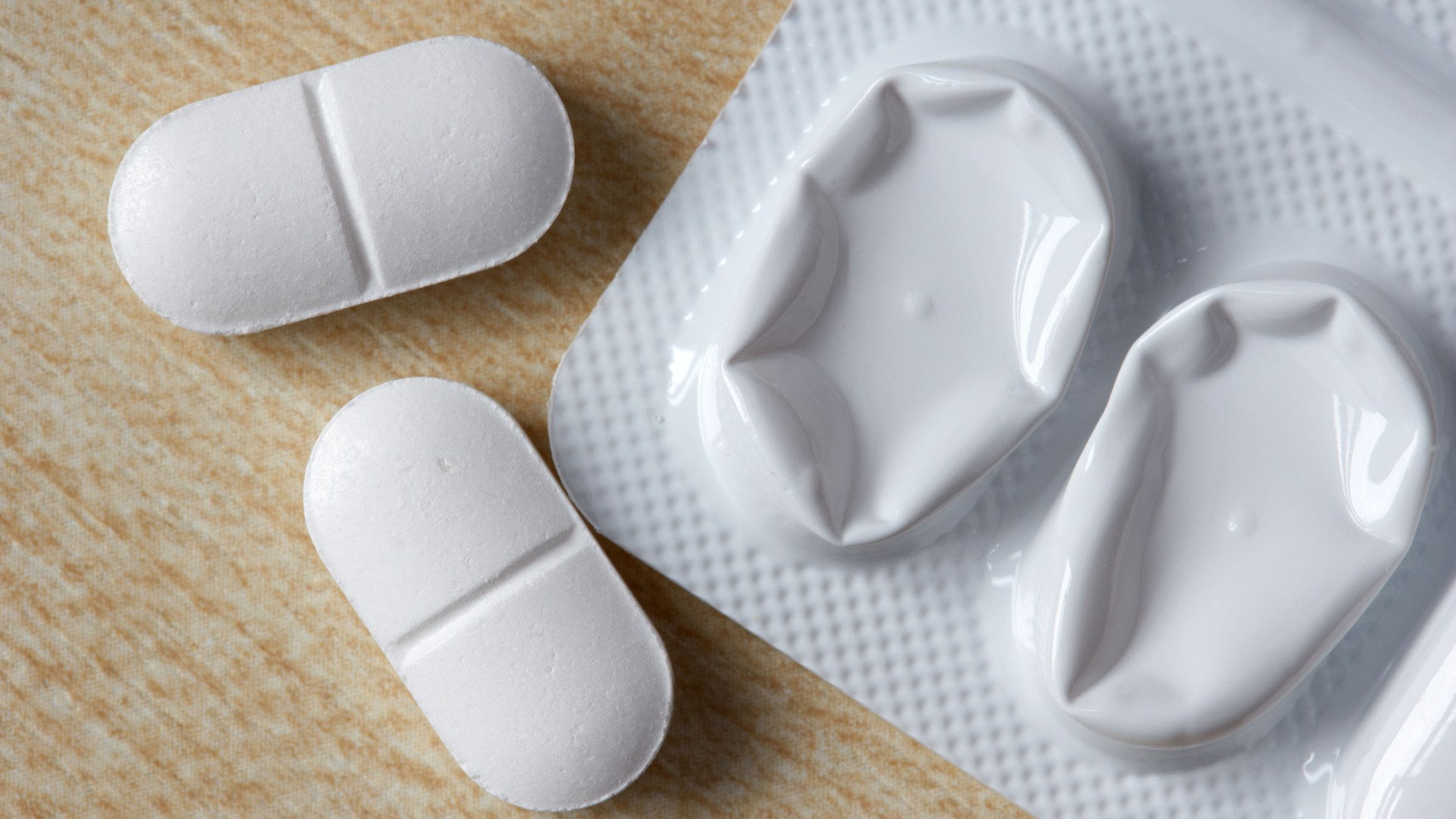
PARACETAMOL during pregnancy does not raise the baby’s risk of autism, ADHD or learning disabilities, a gold standard study has ruled.
Experts say it rubbishes President Donald Trump’s “don’t take it” warning that spooked mums-to-be last year.

He claimed studies had linked the painkiller to autism but that research is accused of being biased and failing to account for other causes.
A review of 43 top quality studies, led by City St George’s, University of London, has now found there is no link.
Neuroscientist Professor Grainne McAlonan was not part of the research but said: “I hope these findings bring the matter to a close.”
Medics analysed more than a million births and included studies of siblings to take into account the effect of family genes.


They compared rates of autism spectrum disorder, attention-deficit hyperactivity disorder (ADHD), and intellectual disability in the children of women who took paracetamol while pregnant with those who did not.
The important message is that paracetamol is safe to use in pregnancy
Professor Asma Khalil,
Lead author Professor Asma Khalil, from City St George’s University, said: “We found no clinically important increase in the risk of autism, ADHD or intellectual disability in children where the mothers took paracetamol during pregnancy.
“The important message to the millions of pregnant individuals is that paracetamol is safe to use in pregnancy.
“It remains to be the first-line treatment that we would recommend if pregnant women have pain or fever.
“Our findings suggest that previously reported links are likely to be explained by genetics or other factors such as fever or underlying pain, rather than a direct effect of the paracetamol itself.”
NHS ‘first choice’
The results were published in the prestigious journal The Lancet Obstetrics, Gynaecology, & Women’s Health.
Doctors say that babies could be harmed if whatever causes the pain – such as a fever or illness – is left untreated, but will not be harmed by the painkiller.
Dr Monique Botha, from Durham University, added: “This is a strong and reliable study that addresses a question many people are understandably worried about.
“The researchers reviewed all the best available evidence.”
The NHS says: “Paracetamol is the first choice of painkiller if you’re pregnant.
“It’s commonly taken during pregnancy and does not harm your baby.”
UK Health Secretary Wes Streeting added: “Our country’s leading scientists, doctors, and the NHS are clear that paracetamol is safe to take when pregnant and in pain or suffering a fever.”
What is autism?
Autism spectrum disorder (ASD) is an incurable, lifelong developmental condition that affects how people perceive the world and interact with others.
It affects around one in 100 people in the UK and is three to four times more common in boys than in girls.
Many people with ASD find it hard to understand other people’s feelings and emotions, and they may have difficulty holding conversations.
When they are young, their language development may take longer and they can struggle to use facial expressions, using gestures to communicate instead.
They may also find it hard to connect with other people and to hold eye contact with unfamiliar individuals.
Many children with ASD like to follow a routine, and changes to this can cause distress.
High functioning autism is an informal term some people use to describe those on the autism spectrum disorder.