
A SUPERMARKET giant is set to hike wages for 28,000 workers this week making it the UK’s highest-paying chain.
Aldi supermarket workers are set to see their pay increase from £13.35 per hour to £13.50 from Wednesday April 1.
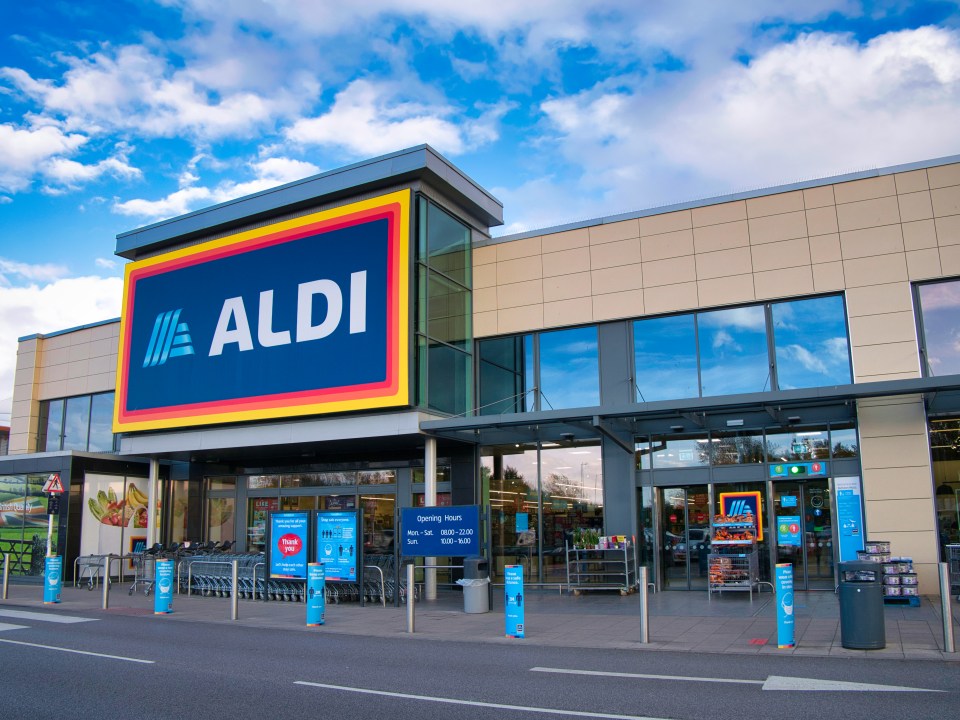
In the capital, pay rates will rise to £14.88 per hour in London.
At the same time, pay per hour will rise to £14.47 nationally and £15.20 in London with length of service.
Back in March, the popular German discounter hiked pay for store assistants from £13.02 to £13.35.
Giles Hurley, chief of Aldi UK and Ireland, said: “Our colleagues work incredibly hard to deliver exceptional value for our customers, and from today we’re proud to be rewarding that dedication with the highest pay in the sector.


“We’ve invested over £42million in colleague pay this year because we know that every single member of Team Aldi is fundamental to our success and deserves nothing less.”
It comes as rival Lidl also bumped pay from £13 to £13.45 an hour nationwide at the start of March, an increase of around 3.46%.
The bargain supermarket said this will increase to £14.45 with length of service.
Elsewhere, those working on the shop floor of John Lewis and in Waitrose will receive a 6.9% increase from Wednesday – with minimum hourly rates rising to £13.25.
Meanwhile, London workers will see their pay jump to £14.80. It marks an increase of an additional £1,600 per year.
Across the board, the National Living Wage will go up to £12.71 an hour for workers aged 21 and over at the start of April.
The Treasury confirmed the 50p pay increase – giving staff an extra £1,040 a year based on a 40-hour working week – following the Spring Statement at the start of the month.
These rates are the minimum amount that employers can pay their staff in the UK.
But some businesses opt to pay their staff higher than the minimum wage.
What is the difference between National Living Wage and National Minimum Wage?
THERE is a difference between the National Minimum Wage and National Living Wage.
The National Minimum Wage is the lowest hourly rate that companies must pay to workers.
The Government sets it, and workers are entitled to it by law.
There is an age limit for the National Living Wage – which is the minimum amount you are entitled to if you are 21 or older.
You can’t get the minimum or living wage if you run a business and you’re working for a client.
There are several reasons why you might not be receiving the minimum wage, despite it being illegal for employers to underpay.
One common issue is unpaid working time, which can lower your hourly rate below the legal minimum.
This includes tasks like overtime, training hours, or being asked to arrive early for shifts.
But if none of this applies to you and you think are being underpaid, you can take action.
You can anonymously report the company to HMRC online.
If HMRC has enough evidence, they will launch an investigation into your employer.
If you’ve been underpaid, HMRC can force your employer to repay the missing amount, backdated by up to six years at the current minimum wage rate.
Alternatively, you could begin with an informal chat with your boss.
Decide whether you’d like to request back pay for what you’re owed or focus on ensuring you’re paid the correct rate going forward.
Come prepared with evidence of your claim, such as payslips and an estimate of how much you’ve been underpaid.