THE NHS has been plunged into its worst-case winter scenario as an “unprecedented wave of superflu” pushed hospital cases up 55 per cent in a week.
Prime Minister Sir Keir Starmer urged Britons to “be careful” and blasted doctors plotting a mid-crisis strike next week as “irresponsible”.
NHS officials said there are now enough virus patients in England to fill three hospitals, after the total surged from 1,968 on November 30 to 2,781 on December 7.
There are dozens who are in intensive care.
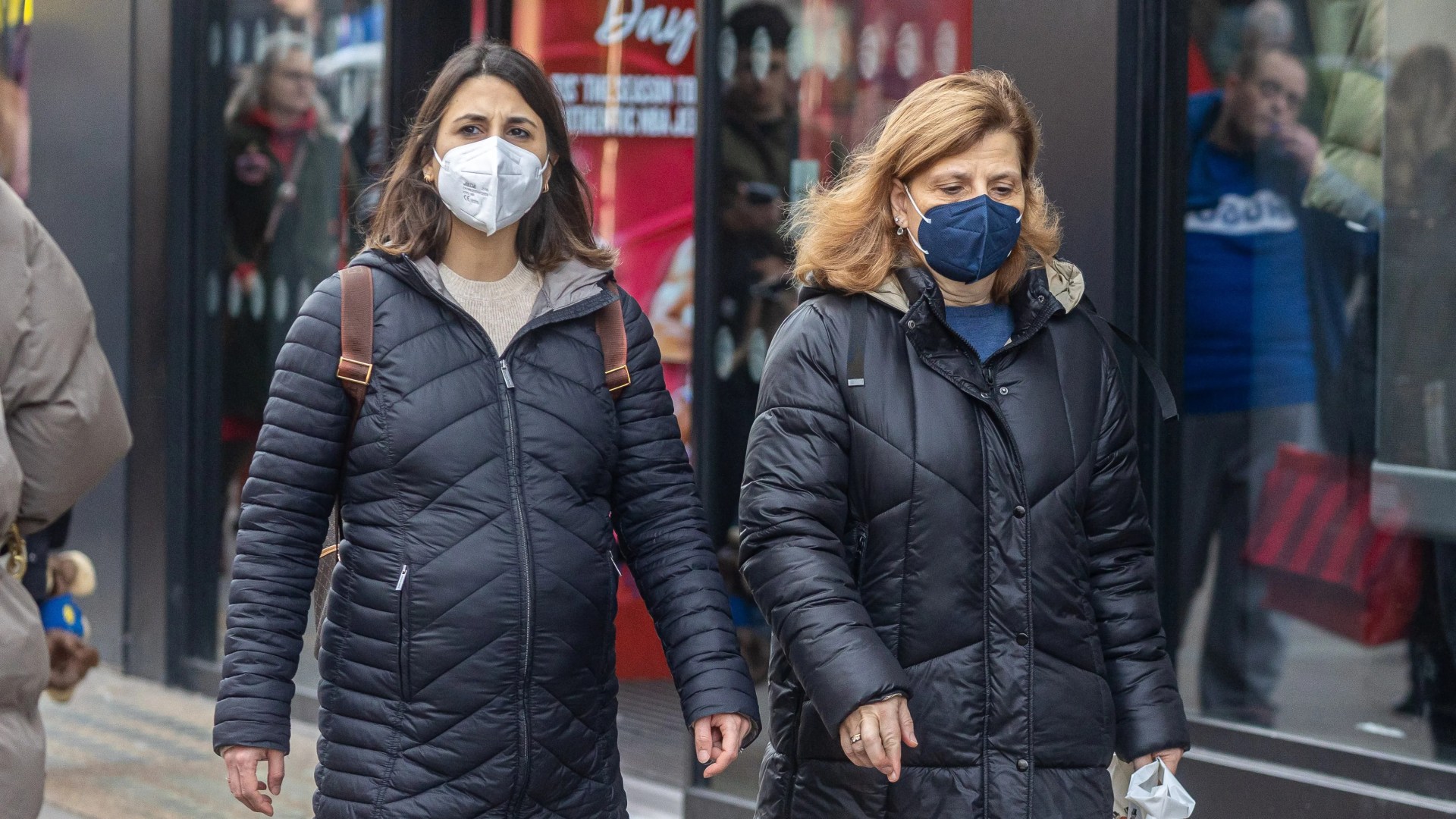
Stocks of vaccines, Lemsip and handwash have begun to run low as the mutant virus strain spreads.
It comes as hospitals prepare for a devastating five-day strike on Wednesday by resident doctors — formerly know as junior doctors — in the British Medical Association.
READ MORE ON ‘SUPERFLU’ CRISIS
Professor Meghana Pandit, medical director at NHS England, said: “This unprecedented wave of superflu is leaving the NHS facing a worst-case scenario for this time of year. The number of patients in hospital with flu is extremely high for this time of year.
“Even worse, it continues to rise and the peak is not in sight yet, so the NHS has an extremely challenging few weeks ahead.”
The flu season began earlier than usual and the virus is spreading rapidly because of a mutated strain which means immunity is low.
Doctors warn chaos will drag on into the new year and cases are particularly high in babies and young children who are at higher risk of severe complications.
Professor Sir Andrew Pollard, jabs expert at Oxford University, said: “It’s unusual to be so busy at this time of year, but one hopes the peak should not be too far off now.
“There’s a bit of mixing that happens around Christmas, but children not being at school and people not being at work means cases start to drop very rapidly.
“There’s a long tail with flu so it’s still worth being vaccinated.
“There has been some mutation in the virus, but the latest data suggest that the vaccines should still be working.”
On top of flu, the UK Health Security Agency said cases of sickness bug norovirus and coughing bug RSV are also on the rise.
The sickly winter threatens to be the straw that breaks the camel’s back at the end of a year when the NHS has struggled to cope with record demand on top of strikes and staff shortages.
Statistics yesterday showed waiting lists have begun to rise again, from 7.39 million to 7.4 million in October, as hospitals fail to treat people as fast as they arrive.
Hospital pressure means 51,000 A&E patients waited 12 hours or longer for a bed on a ward in November, plus 54,000 in October.
A study this week estimated patients now have a one in five chance of being treated in a corridor or waiting room if they go to casualty.
This becomes more likely as more people pile into emergency departments and wards cannot discharge people fast enough.
Dr Vicky Price, of the Society of Acute Medicine, added: “We are witnessing the appalling reality of corridor care on an unprecedented scale.”
At least half a dozen hospitals have declared critical incidents in the past week because of “extreme pressure” on wards and emergency departments.
The NHS has warned patients only to go to casualty in a genuine emergency after more than 200,000 went for trivial issues such as sore throats or blocked noses last year.
Hospitals are also grappling with the threat of a five-day doctors’ strike from December 17 to 22.
Resident doctors in the BMA are accused of a “cruel and calculated attempt to cause mayhem”.
Health Secretary Wes Streeting made a last-ditch jobs offer to try to persuade medics to call off the strike. It has been put to BMA members who will vote on Monday.
Mr Streeting promised priority access to jobs for UK graduates, plus extra medical training posts and cash for exams and professional fees.
But union hardliners have urged members to vote against it and drag their strike misery into a third year because the Government will not offer another pay rise.
PM Sir Keir Starmer said: “We have already put in place quite a significant pay rise.
“It’d be irresponsible of the BMA to push through with strike action and I think many resident doctors, in their heart of hearts, probably don’t want to do this.
“I’d say to the BMA do the responsible thing, accept the offer that’s on the table and we can all move forward.”
‘SUPERFLU’ Q&A
WHY is flu so bad this year?
This year’s flu, which has been named H3N2 is a different virus strain from usual.
Our immune systems remember strains we have caught before and are better at fighting them off, meaning we get less ill.
H3N2 has not been around for a number of years, meaning our natural immunity to this version of the virus is low.
More people are getting heavy symptoms — which in turn means it spreads faster, including to high-risk groups such as babies and the elderly who can become severely ill.
What are the symptoms?
The same as regular flu. Most people will feel achy, sore and tired, and may develop a high temperature or a cough.
Other signs of flu can include a dry throat, upset stomach, headaches, difficulty sleeping or a loss of appetite.
What should I do if I get the flu?
Most people can manage at home and will start to recover after a few days with plenty of sleep, rest and drinking lots of fluids.
Take painkillers such as paracetamol or ibuprofen to reduce symptoms, but do not take antibiotics as they work only for bacterial infections and flu is viral.
Call 111 or your GP practice if you are elderly or have a serious health condition and are worried about your symptoms.
Do the same if you are worried about a baby or child’s symptoms. Call 999 or go to A&E if you begin to cough up blood, have sudden chest pain or cannot breathe.
Is the vaccine effective?
Yes. Scientists say the vaccine is a close enough match to the virus for it to reduce the risk of serious illness.
There were some concerns that the virus had mutated and rendered the jab less effective, but our natural protection against this strain is so low that the vaccine will still give the immune system a strong boost.
This is particularly important for high-risk groups, including over-65s, pregnant women, cancer patients and babies and children, who are eligible for free jabs on the NHS.
Why are hospitals struggling?
Hospitals are nearly full almost all of the time, so they have no room for a sudden surge in new patients.
This year has seen the highest demand for services such as A&E and ambulances on record, even before the flu outbreak began. Clinics are also trying to crush through a massive backlog of non-urgent patients.
Long-term problems with discharging patients mean many beds are blocked by elderly people who cannot safely be sent home.