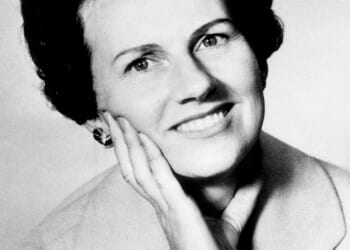
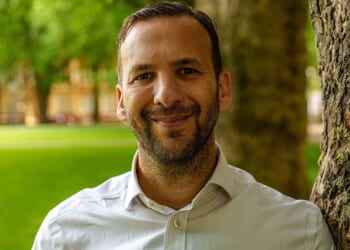
The family of a ‘super–fit and healthy’ 42 year–old who suffered a shock death are calling for NHS staff to be held accountable, after the marathon runner’s symptoms were dismissed as indigestion.
Kristian Hudson, who lived in Huddersfield, West Yorkshire, was suffering from chest pain just weeks before he collapsed and died of a heart attack whilst out running.
But medics at New Cross Hospital, Wolverhampton, simply diagnosed him with ‘indigestion type pain’, on 14 February, and sent him home without running further tests, an inquest has heard.
The hearing in Bradford was told by Caroline Chandler, assistant coroner for West Yorkshire, that had his symptoms been assessed in accordance with NHS guidance, the police call handler would likely still be alive today.
‘Contrary to recommended guidance, a troponin (muscle protein) test was not undertaken which may have identified his heart disease and as such he did not receive treatment.
‘Had appropriate escalation of his treatment occurred, it is possible on the balance of probabilities that his heart disease could have been identified and treated and he would not have died when he did.’
Troponin is a type of protein found in muscles, including the heart. When the organ is damaged, the protein is released into the blood.
In accordance with NHS guidance, patients who present with chest pain should be given a blood test to monitor troponin levels, also known as cardiac enzymes.
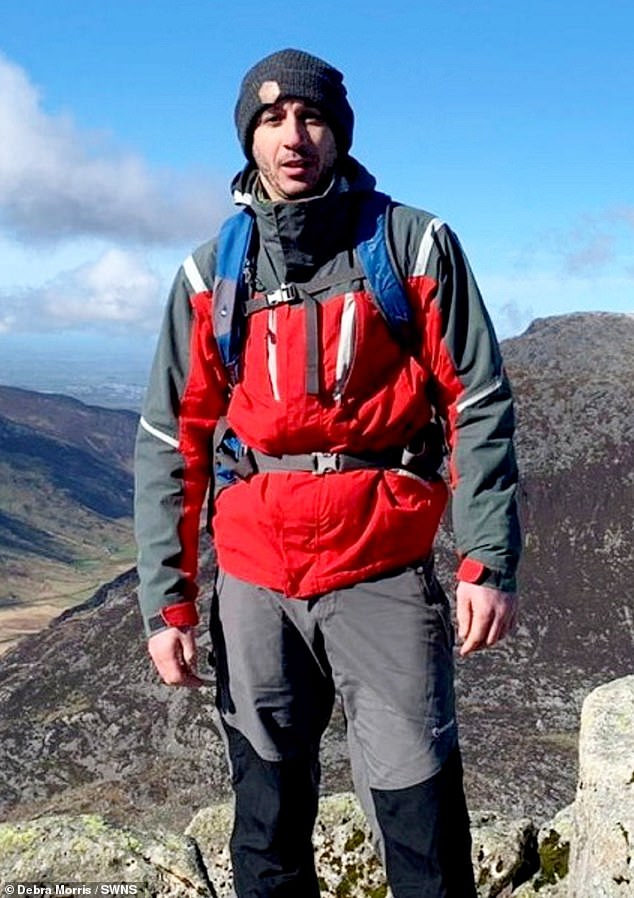
Kristian Hudson was described by his friends as the fittest man on the planet. But in February 2025 he suddenly began experiencing chest pain
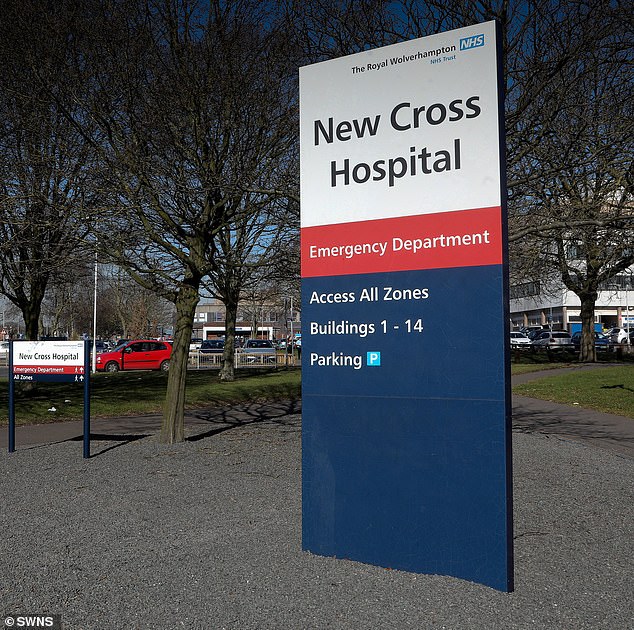
Medics at New Cross Hospital diagnosed the marathon runner with indigestion, without running further tests, off the basis that his symptoms initially occurred after a meal
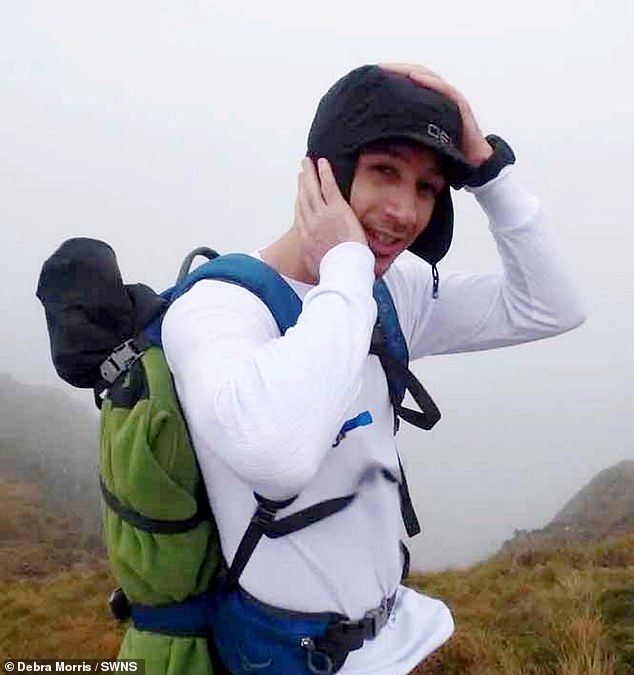
Just weeks later, Kristian tragically suffered a heart attack and died whilst running at Wessenden Head Reservoir
If higher than normal levels are detected, this could be a sign of heart damage or heart attack.
Mr Hudson’s family and friends are now calling for senior staff to be held accountable, with the hopes of preventing future failings at the hands of doctors.
His mother, Debra said: ‘Ever since Kristian was a small child, other than chickenpox, he was never ill and never had time off school.
‘He never had a cough or cold, flu, upset stomach or even a headache – absolutely nothing.
‘His friends called him “the fittest man on the planet” and his colleagues said he had a zest of life people could only dream of.’
The inquest heard that hospital records show that Mr Hudson’s electrocardiogram (ECG) – a test that records heart rate and rhythm – came back as normal, though there is no signed record of his results available.
The former Ju–Jitsu champion’s mother continued: ‘This has reinforced our view that the trust and senior staff at New Cross hav questions to answer over Kristian’s death.
‘Nothing will bring him back, but an investigation or action could prevent future deaths of a similar nature.

Kristian was also an avid cycler before his tragic death
‘It is heartbreaking to think Kristian lost his life because people didn’t do their jobs properly. We’d like to see some accountability in the hope no other families have to suffer this same way,’ she added.
‘There never seems to be any accountability for individuals who make these decisions resulting in catastrophic consequences. It appears they get a bit more training and told not to do it again.
‘That wouldn’t happen in any other profession.’
The Royal Wolverhampton NHS Trust have been given until Friday 19 December to respond to the coroners findings.
Joe Chadwick–Bell, group chief executive of the trust, said: ‘We would like to offer our sincere condolences to Mr Hudson’s family.
‘Due to ongoing discussions, we are unable to comment further at this time.’
It comes as landmark research has suggested that almost everyone who suffers a heart attack, stroke, or heart failure experiences warning signs years before the event.
The study, which tracked millions of people across two continents, found that more than 99 per cent of patients had at least one major risk factor, long before their first cardiac emergency.
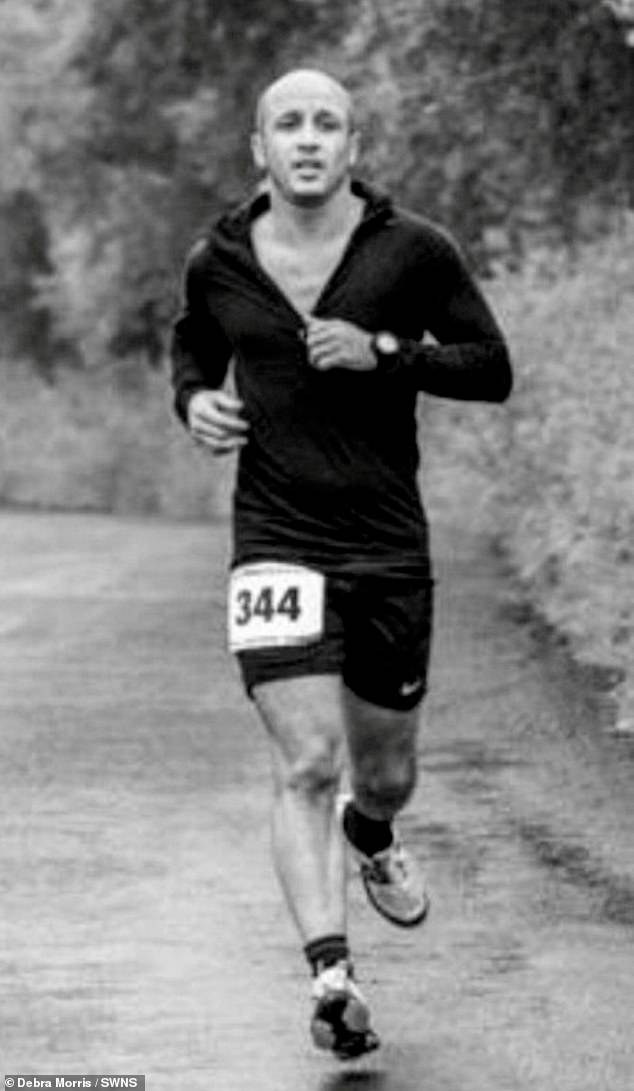
His family are now calling for staff to be held accountable, in the hopes of preventing further tragedies that could be avoided with the proper care
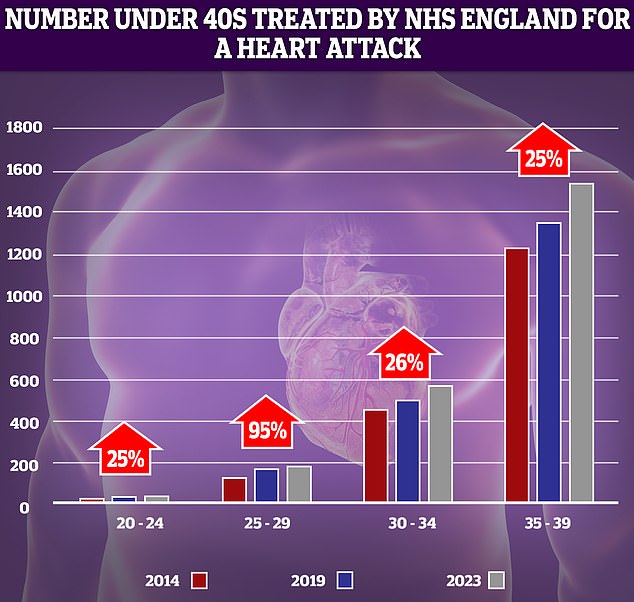
NHS figures show that while most cardiac events still occur in older age, hospital admissions for heart attacks among people in their 30s and 40s have risen in recent years
However, high blood pressure – also known as hypertension – was by far the most common culprit, affecting more than nine in ten of participants.
The findings overturn the widespread belief that heart disease can strike ‘out of the blue’, affecting people with no obvious health problems.
In fact, the research suggests that the warning signs are there in almost every case – but often go unrecognised or untreated.
Cardiovascular disease remains the world’s leading cause of death, killing an estimated 18 million people every year – with hospital admissions for heart attacks among people in their 30s and 40s having risen in recent years.
In the UK alone, it accounts for a quarter of all deaths. Experts say the new findings underscore the importance of early detection and prevention.