A SIMPLE home insurance mistake could leave you thousands of pounds out of pocket if you need to make a claim.
Underinsurance is when you have insurance for your home but the cover doesn’t stretch far enough to protect everything you own.

It can happen if you’ve not worked out accurately how much it would cost to replace your possessions, made a change to your home without telling your insurer, or you don’t represent your circumstances correctly.
For example, if you build a new extension to your house but don’t tell your insurer, or inaccurately describe your home when you first sign up for an insurance policy.
This means your insurer will not pay out enough to fully cover the cost to replace possessions or rebuild part of all of your home if needed, for example after a fire or flood.
How many households are underinsured?
Around 76% of homes are currently underinsured, according to price comparison website Uswitch.


With the average home insurance claim reaching £6,200 according to the Association of British Insurers, it could leave you seriously out of pocket.
But sometimes insurers argue that a policyholder is underinsured as a way to wiggle out of paying the claim.
Insurers paid out just 70.7% of claims made on combined buildings and contents insurance policies in 2024, according to the Financial Conduct Authority (FCA).
Customers with contents insurance had slightly more luck and saw their claims paid out 73.5% of the time, down from 76.5% in the previous year.
But just 63.2% of claims on buildings-only policies were paid in 2024.
Some of these claims will have been rejected on technicalities as insurers try to argue that the policyholder doesn’t have the correct coverage.
The worrying figures have led consumer group Which? to launch a supercomplaint to the FCA over concerns about the home and travel insurance markets.
Rob Lilley-Jones, Which? money expert, said if this happens then you should ask the insurer to explain in writing its case and definitions.
You can then challenge it by making a complaint if these weren’t made clear to you previously.
How can you avoid being underinsured?
Rob says that it is worth looking back at the information available to you when you bought the policy, as important definitions and cover limitations sometimes aren’t set out as clearly if you’ve bought insurance through an indirect channel – such as a price comparison website.
“If you’re in any doubt about what your policy will cover, it’s best to have a chat with your insurer to ensure you’re both on the same page, as misunderstandings can be costly further down the line,” he adds.
When you take out your policy online and are unclear at any point on how to describe your home and possessions, it’s worth speaking to an insurer directly so you don’t get caught out.
If you already have home insurance then it’s important to tell your provider about any big changes you have made to your home to avoid becoming underinsured.
For example, if you add a garden office to your home or do an attic conversion then you should let your insurer know as it could affect the value of your home.
If you convert one room in your home for a different use, such as a bedroom to a study, it is worth telling your insurer.
New gadgets, jewellery or bikes need to be added to your home insurance policy too.
Most insurers will ask you to declare new items worth £1,500 so they can be included in your policy.
I’m £11k out of pocket after Aviva rejected my claim for a burst pipe
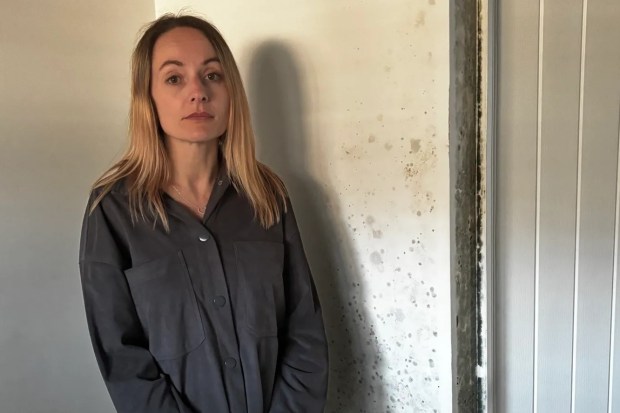
Michelle Hynes’ heart dropped when she opened her front door to see water pouring through the ceiling.
The mother of two, 44, from Sawbridgeworth, Hertfordshire, had just returned from a two-week trip to Disneyland Florida with her husband Adam and children Leah, 15 and Ethan, 17.
But when a pipe froze then burst in their attic the ceiling collapsed and the whole bungalow flooded with water.
Michelle, who works as a program manager, said: “We’d had a night flight and were quite jet-lagged, so we were all excited to get into our own beds.
So when we opened the door we were just in shock and couldn’t believe our eyes.”
Michelle called her insurer Aviva and it accepted the claim but would only pay out 83% of its value.
Aviva argues that the home has five bedrooms but Michelle said it only has four bedrooms.
She explains: “I took out the policy through Confused.com and said it’s a four bedroom property with two other rooms; a dressing room and a study.
“But Aviva said it should be five bedrooms. I’ve got a letter from my estate agent confirming this is not the case.”
The mistake has now left her £11,000 out of pocket as Aviva has reduced how much it will pay out for alternative accommodation, contents and building work.
“I’ve been trying to keep a smile on my face for the children but it’s hard. My daughter is in her GCSE year and my son has diabetes, which has got worse because of the stress.”
Aviva refused to pay the claim in full and warned it would be unfair to other customers if it did so.
An Aviva spokesperson said: “As the incorrect number of bedrooms was declared to us when the policy was taken out, we are unfortunately unable to pay the claim in full under the terms of the policy.
“Most insurers will use bedroom numbers as a guide to property size, and it is one of the factors that influences and generates a fair premium for customers.
“Failing to provide the correct information could leave customers underinsured and they may face a shortfall should they need to make a claim.”
If you are unsure of how to describe your property when taking out insurance then call the provider and discuss your situation.
It should be able to advise you how to proceed and you can use the conversation as evidence if you have a dispute down the line.