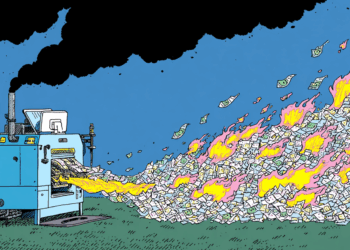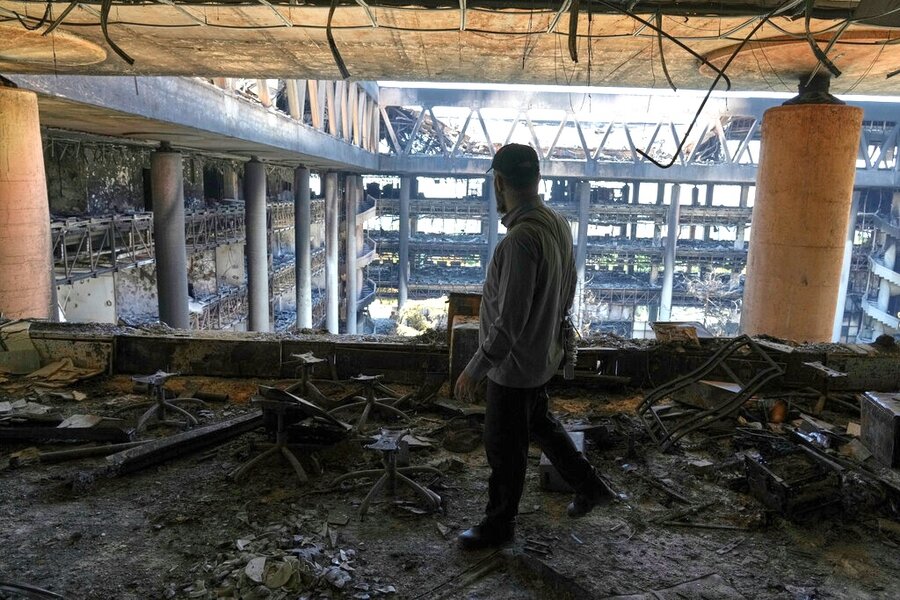
A very old type of information warfare – spreading false narratives to rattle an enemy’s population during a conflict – now has a new and vital adversary: fact-checkers.
On March 3, for example, a video went viral showing Israel’s second-largest city, Tel Aviv, in flames from multiple strikes by Iranian missiles, four days after the first Israeli and American attacks on Iran. It attracted more than 14 million views.
“The video is AI-generated, and features multiple errors consistent with AI clips,” posted BBC Verify senior journalist Shayan Sardarizadeh. “It’s not real.”
After spotting many similar fake images, Mr. Sardarizadeh concluded: “This war might have already broken the record for the highest number of AI-generated videos and images that have gone viral during a conflict.”
“Welcome to our brave new world of AI misinformation,” he wrote.
Civilians in countries at war these days face a much higher burden to discern the accuracy of information designed to mislead or panic them, perhaps to sow distrust of leaders. The modern battlefield is now as much digital as it is physically armed. Traditional journalists, along with other credible experts, can only do so much to counter the effects of an opponent’s falsehoods, or what’s called “influence operations.”
“As we fight against Iran and we lose brave men and women, we should reflect that the most powerful force we have in the United States is not our aircraft carrier groups, but the truth,” said Democratic Rep. Brad Sherman, a senior member of the House Foreign Affairs Committee, during a hearing on March 5.
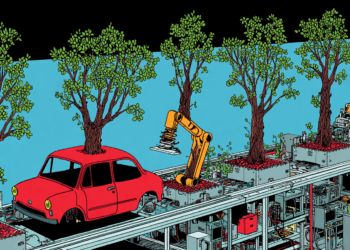
Artificial intelligence is rapidly transforming cyberwarfare, perhaps even making cyberdisruption of public opinion as important as military strikes. Software such as Google’s reverse imaging can sometimes help people detect fake images, yet even that can often fail. Individual intelligence remains essential in the digital fog of war to counter psychological operations – and that starts with consumers of war news.
“Try to assess, not just the message, but the incentives behind the message. So who is communicating and what are they getting after?” Professor Alan Jagolinzer, co-chair of the Cambridge Disinformation Summit, told The Independent.
During times of war, the public craves information, states Roi Soussan, the director of public affairs at FakeReporter, an Israeli organization that exposes disinformation. “This drives people to find alternative sources for news, like WhatsApp groups, Telegram channels and posts on X,” he told Haaretz last year.
“We should stop for a moment and use our healthy judgment: Who published it, and where? If it’s only from one place and it’s not from a reliable source, I would be suspicious,” said Mr. Soussan.
The digital age and its effects on 21st-century wars have helped reaffirm an ancient Greek warning: “In war, truth is the first casualty.” Yet when confronted with falsehoods during a conflict, no one need be gullible. There’s nothing fake about the individual capability to sift fact from fiction.