This article is taken from the October 2025 issue of The Critic. To get the full magazine why not subscribe? Get five issues for just £25.
Sex sells. So do second-hand car salesmen. What is it selling? And what are we buying? The monstrous success of Alex Cooper’s sex and relationships-based advice and comedy podcast Call Her Daddy was as sure to inspire imitators as Coca-Cola was to inspire sweet carbonated drinks.
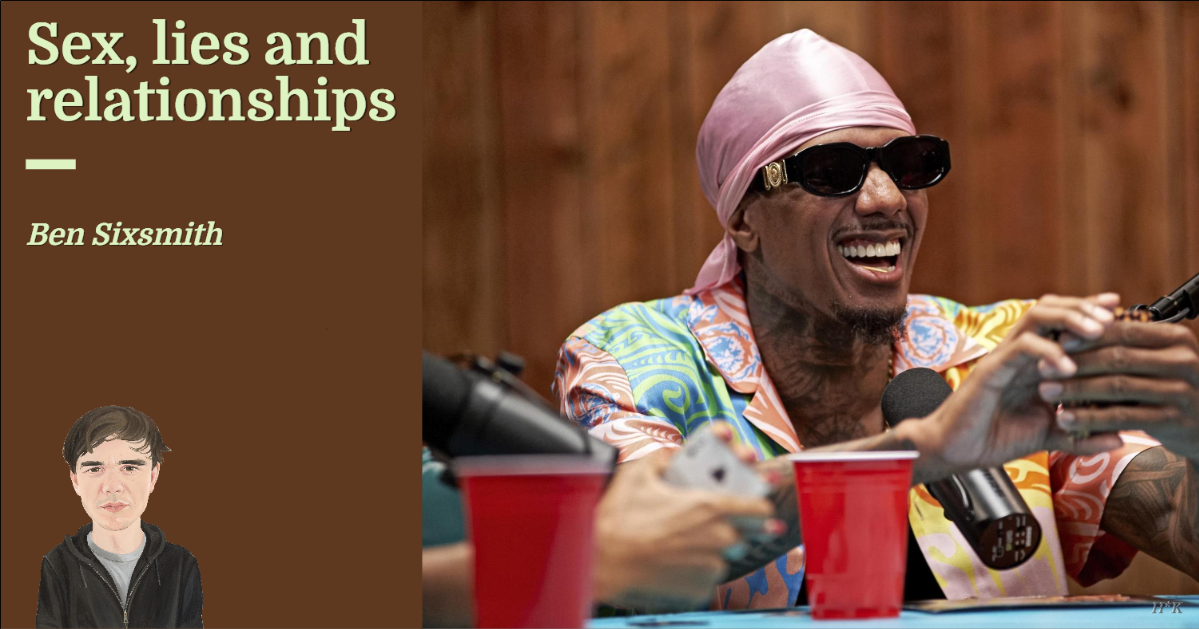
Nick Cannon at Night is a fascinating new example of the genre. Cannon, an American comedian, has fathered 12 children with six different women.
Only Elon Musk and the most prodigious Mormon swordsmen rival him when it comes to the sheer weight of numbers. This might make Cannon something of an authority when it comes to solving the fertility crisis. On the other hand, it makes him a strange person to approach for relationship advice.
I checked out an episode featuring Cannon’s fellow podcaster Bobbi Althoff. Althoff had astonishing initial success with The Really Good Podcast, with listeners being entertained by her deadpan, condescending style.
Alas, a deadpan, condescending style needs to be backed up with actual talent or it starts to look like unmerited arrogance. Being terminally unimpressed is irritating if you are yourself unimpressive. Althoff’s audience deflated like a burst balloon.
On Nick Cannon at Night podcast, Althoff is so out of her element that she says about six words. The effortfully jovial host desperately asks her questions about sex and relationships, and she mumbles like a pupil tasked with solving quadratic equations. Also with Cannon is a therapist and sex educator called Dr Jayme Waxman, whose syrupy clinical ramblings could kill the vibe between Casanova and Cleopatra.
Truly, there can be nothing less sexy than people talking about sex. Althoff seems so awkward that just listening to her feels exploitative. Waxman makes sex sound like some sort of exercise in managing your mental health. Cannon veers between quirky wisecracks and overbearing sincerity like a man trying any tactic to get a woman into bed.
He just about clung onto his career after making comments about Jewish people being ethnic fraudsters and white people being “savages”. (He apologised — to Jewish people.) Joking about threesomes must have seemed safer than speculating about people with less melanin being “closer to animals”, though Cannon’s head nearly explodes when Waxman points out that a male questioner asking about threesomes might have been referring to intercourse with a man and a woman and not two women.
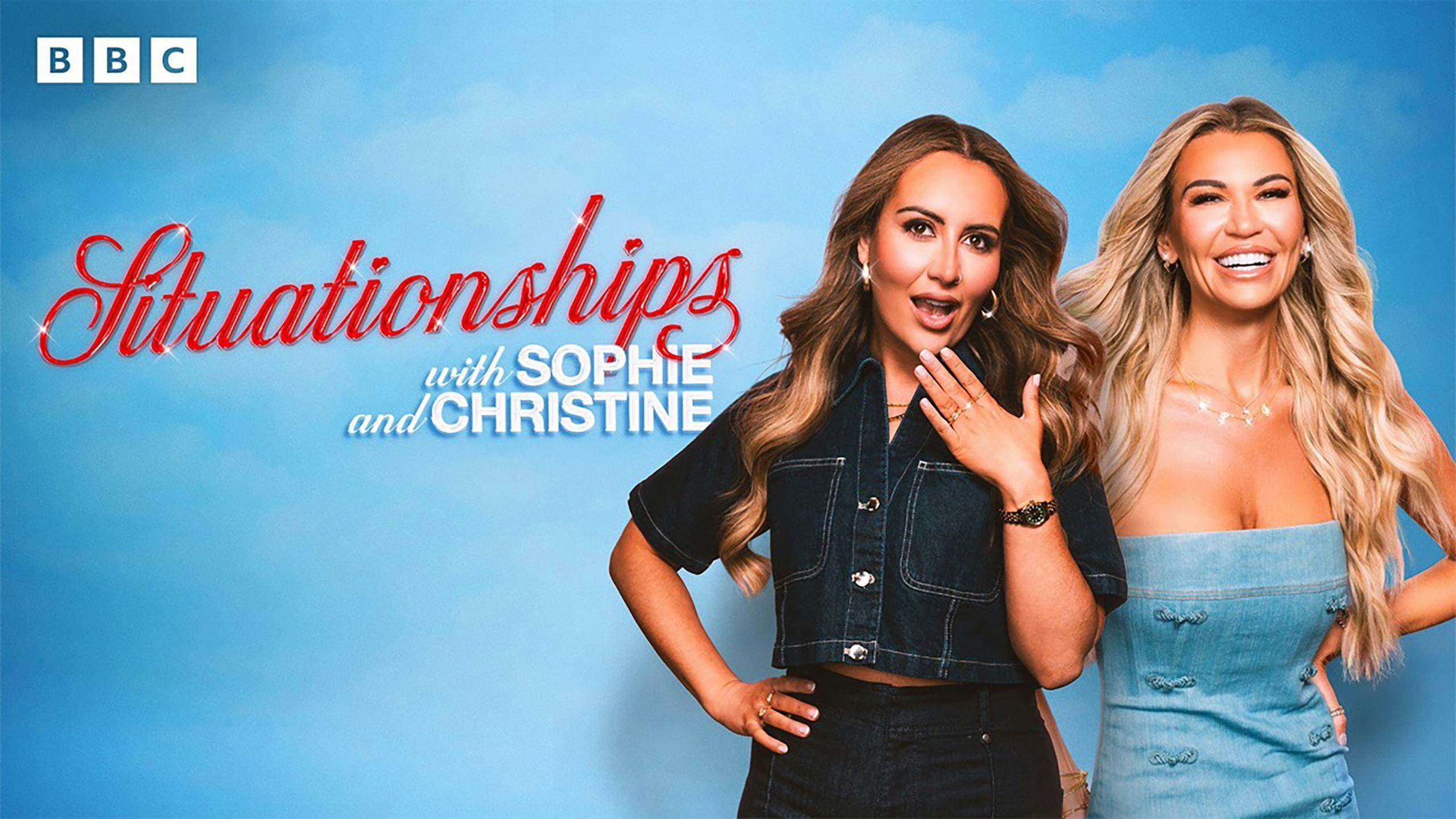
In the UK, writer Sophie Gravia and TV personality Christine McGuinness host Situationships. Gravia is the author of books like What Happens In Dubai (apparently more about one-night stands than forced disappearances) whilst McGuinness has appeared on TV classics such as The Real Housewives of Cheshire (so unlike all those fake housewives of Cheshire).
Gravia and McGuinness swap embarrassing sex stories and awkward giggles — ruthlessly committed to not engaging in a hint of poetic detail or psychological reflection. McGuinness brings up an obviously fake story which Gravia correctly observes is obviously fake. So, what is it doing there? What are this pair doing here?
It feels as if the BBC have thrown two random women together and barked, “Talk about sex!” In one episode, Gravia and McGuinness consult AI for dating advice. “Wow, AI is deep,” McGuinness exclaims.
“A lot deeper than us,” adds Gravia.
I don’t think it is entirely coincidental that this openness about sex and relationships comes at a time when people have less sex and fewer relationships. I’m not arguing that people shouldn’t talk about sex and relationships. There’s value in sharing perspectives and memories.
But somewhere between the teenage banter and the oppressively chummy HR speak, discourse has become about as erotic and intimate as an icebreaking game in an office.
Perhaps one problem is how “dating”, and people’s “sex lives” more narrowly, have been compartmentalised. Obviously, our romantic and sexual relationships are not everything we are or do, but there seems to be a sense that they can be abstracted from the serious business of self-fulfilment — like weekly tennis lessons or a fondness for swing dancing. That this is so untrue — that love and sex are, in their different but overlapping ways, so essential to ourselves — might be what gives “dating” discourse such an air of anxious artificiality.
If you want to be depressed this month — and I mean really, really depressed — you could do worse than listening to the Canadian Broadcasting Corporation’s 2019 podcast Hunting Warhead. The series — which I missed at the time and binged on a thoroughly morbid day last month — explores child abuse online in unflinching, insightful and never exploitative detail.
We hear from hackers, journalists, the mother of a victim, and, sick-makingly, a prolific perpetrator. You will be gripped right up until the point where you want to hurl your device across the room. It is a great example of what podcasts can be — because visual elements would have been unnecessary and potentially excessive.
That said, it might not be the best thing to talk about on a first date. You might want to lead with your tennis lessons, or your fondness for swing dancing, before you get to podcasts about child abuse online.
There. Never say you don’t get top tier relationship advice from The Critic.