An SAS veteran has warned the Government will be putting the country ‘in peril’ if it presses ahead with prosecutions of special forces soldiers for historic allegations.
Robert Craft, 68, served in the SAS for 14 years and was part of the renowned B Squadron, which was heavily involved in both covert and undercover intelligence during the Troubles in Northern Ireland.
But, he said their numbers are now dwindling significantly as there is a lack of recruits from regular forces signing on and retention rates continue to drop.
Mr Craft fears the Government’s new legacy legislation, which has opened up the possibility to be tried for past conflicts, is putting off recruits and could even put UK citizens at risk if the SAS struggles to put boots on the ground.
‘At such a dangerous time as this, with so many war risks ongoing, the threat from Russia, pressure on the SAS could be putting the UK in peril,’ the veteran told the Sunday Mirror.
The Conservatives‘ Legacy Act, which was introduced in 2023, had put a block on any inquests. But last year, the High Court and the Court of Appeal in Belfast found that the immunity clause was unlawful and incompatible with the ECHR.
In response, the Government introduced The Northern Ireland Troubles Bill, with the aim to create a new framework for addressing Troubles-related deaths.
And while it is supposed to provide protections for veterans, there are former SAS soldiers in their late 60’s and 70’s who are now facing investigations into operations during their time served.
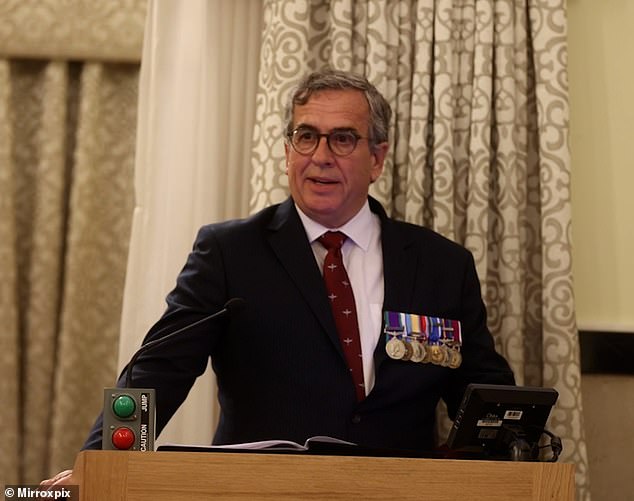
SAS veteran Robert Craft, 68, (pictured) has warned the Government will be putting the country ‘in peril’ if it presses ahead with prosecutions of special forces soldiers for historic allegations
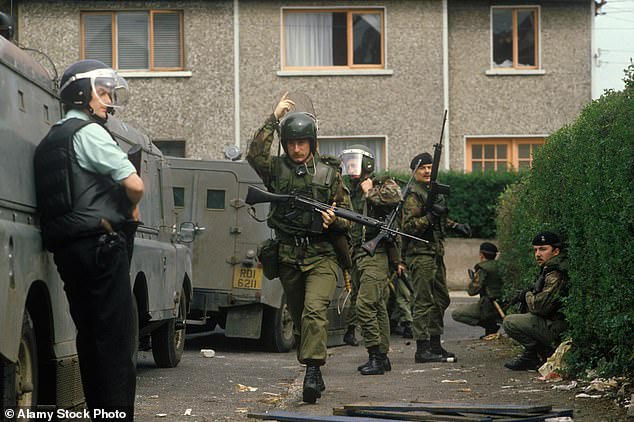
British Troops under fire during the Troubles in Northern Ireland in the 1980s. New legislation being introduced by the Government will aim to create a new framework for addressing Troubles-related deaths
Mr Craft told the Mirror: ‘A number of my former colleagues, I know all of them, are facing investigation many years after they have left the Armed Forces, and are now in retirement.’
He said that one suffers from bad Post Traumatic Stress Disorder, while others have endured related mental health issues.
Mr Craft claims they are not being supported by the new Legacy legislation and ‘decision makers don’t understand the complexities’ of the operations they have been on the front lines of.
‘We are not against the government but there are gaps in the new legacy procedure where people can still be called to an inquiry and decision makers don’t understand the complexities,’ he added.
‘Some of the recruitment issues the SAS suffers will have been influenced by all of this. And morale is currently down. It’s mistrust of the government.
‘When you treat the soldier and the terrorist as equals you don’t strengthen the terrorist but you do disarm the soldier.’
Sir Keir Starmer has said he is ‘absolutely confident’ the new Bill will not lead to ‘vexatious prosecutions’ of former soldiers after lawyers for the SAS Association threatened the Government with legal action.

Sir Keir Starmer has said he is ‘absolutely confident’ the Northern Ireland Troubles Bill will not lead to ‘vexatious prosecutions’ of former soldiers
Sir Keir’s administration aims to replace aspects of the Conservative government’s Legacy Act, which shut down all UK police investigations into Troubles-related killings in May last year.
It also included a contentious conditional offer of immunity for the perpetrators of Troubles crimes in exchange for co-operation with a truth recovery body.
Labour’s Bill was agreed as part of a framework with the Irish Government and will put in place a reformed Legacy Commission with enhanced powers.
But the SAS Regimental Association, which represents the SAS and its veterans, argued in a letter threatening legal action that it could lead to prosecutions for former soldiers.
The veterans said the Bill as it stands now contains barely any protections for them beyond those that already exist for criminal investigations and inquests.
They said the lack of safeguards could breach veterans’ protections under Article 6 (right to a fair trial), and Article 8 (right to private and family life) of the European Convention on Human Rights.
Soldiers’ trust in the legal system has further been eroded following cases such as Soldier F, a former paratrooper who was subjected to what was described as a ‘show trial’ in Belfast over events on Bloody Sunday in 1972.
After five weeks in the dock, Soldier F, who is in his 70s, was cleared of all charges.
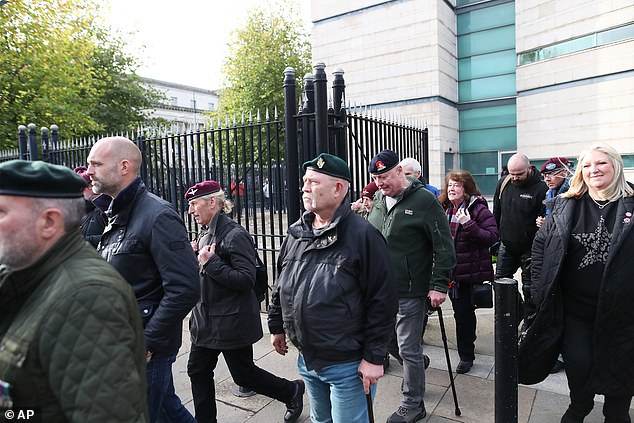
Supporters of Soldier F leave Belfast Crown Court following the not-guilty verdict last month
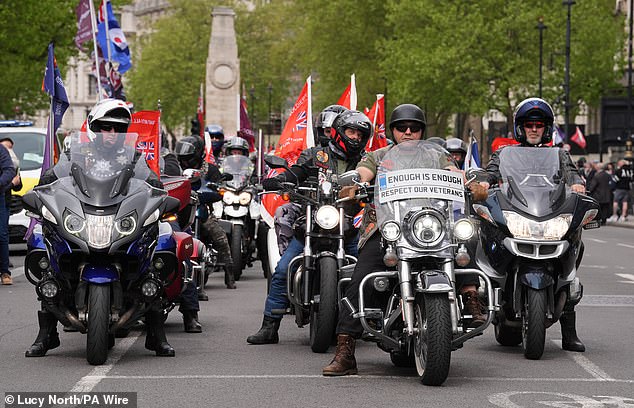
Veterans who served in the British Army during the Northern Ireland troubles were seen at a protest in London over the repealing of the Legacy Act earlier this year
Sitting without a jury, the judge criticised evidence presented by the prosecution as not up to the required standard.
Soldier F had been accused of murdering two unarmed protesters and attempting to kill five others more than 50 years ago.
The Mail has also highlighted how as many as a hundred SAS veterans involved in operations during the Troubles face the agony of further inquests and possible criminal investigations, despite Labour’s claims they will be ‘protected’.
The Government has insisted there will be six protections for veterans, including anonymity at inquests and not traveling to Northern Ireland to attend hearings.
Labour further dressed up these so called protections as being ‘specifically designed and put in place for veterans’ when, actually, IRA gunmen could benefit from the same measures.
Veterans are also calling for legislation to disapply the European Convention on Human Rights and Britain’s own Human Rights Act from troops’ actions while on active service.
A Government spokesperson told The Sunday Mirror: ‘This Government’s commitment to our Operation Banner veterans is unshakeable. The previous Government’s Legacy Act was ruled unlawful by the courts and delivered no real protections to veterans in legacy processes.
‘The new NI Troubles Bill, and its associated elements, delivers six lawful and deliverable protections, designed in consultation with veterans so the legislation works for them.
‘We are aware of the strength of feeling within the defence community on this topic. We have had constructive meetings with former senior officers, representatives of Regimental Associations, and the third sector to ensure their views and experiences are taken into consideration as this bill progresses through parliament. ‘