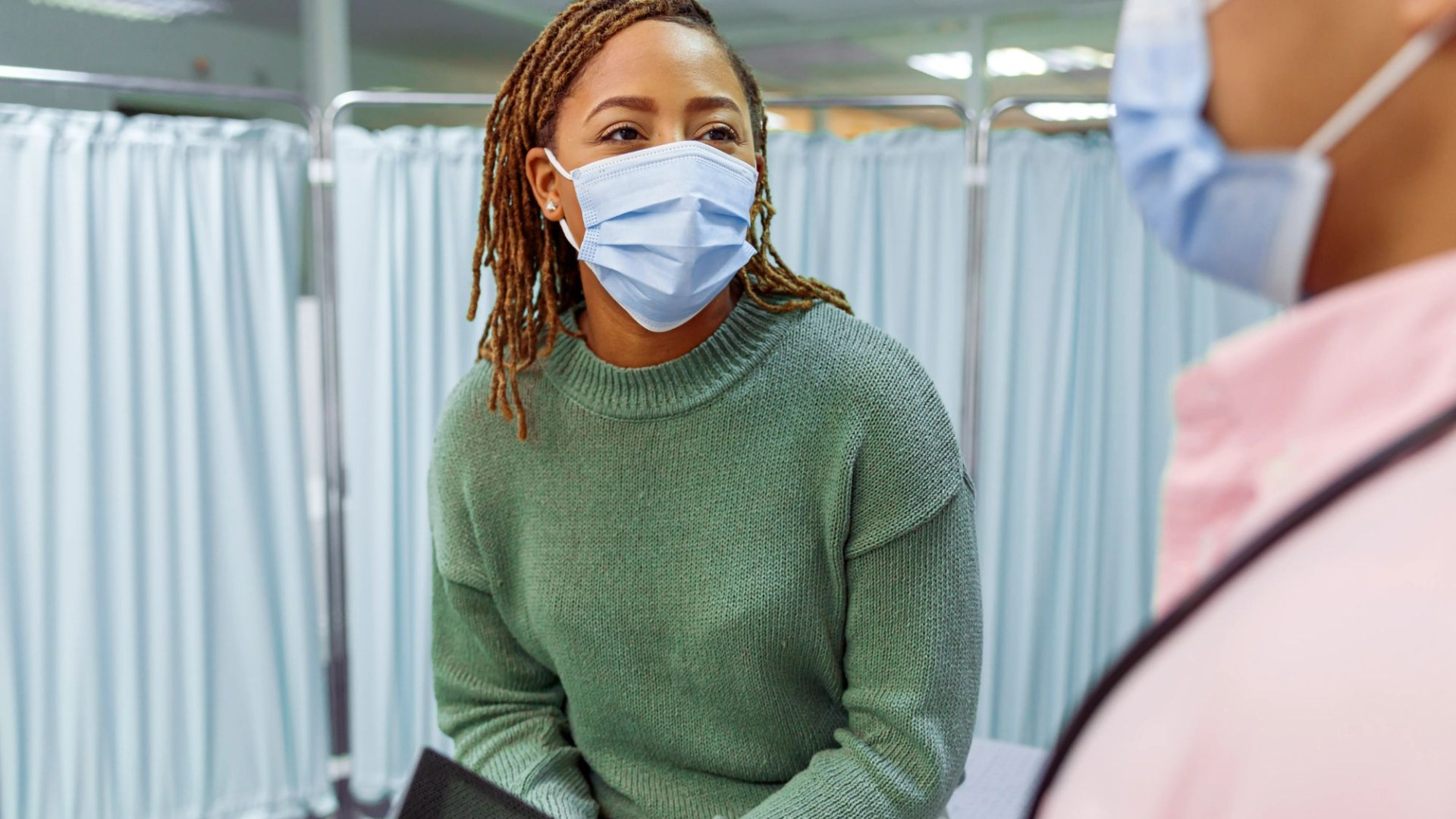
MAJOR hospitals are making face masks compulsory again, in response to rising Covid cases – as new variants Nimbus and Stratus continue to spread.
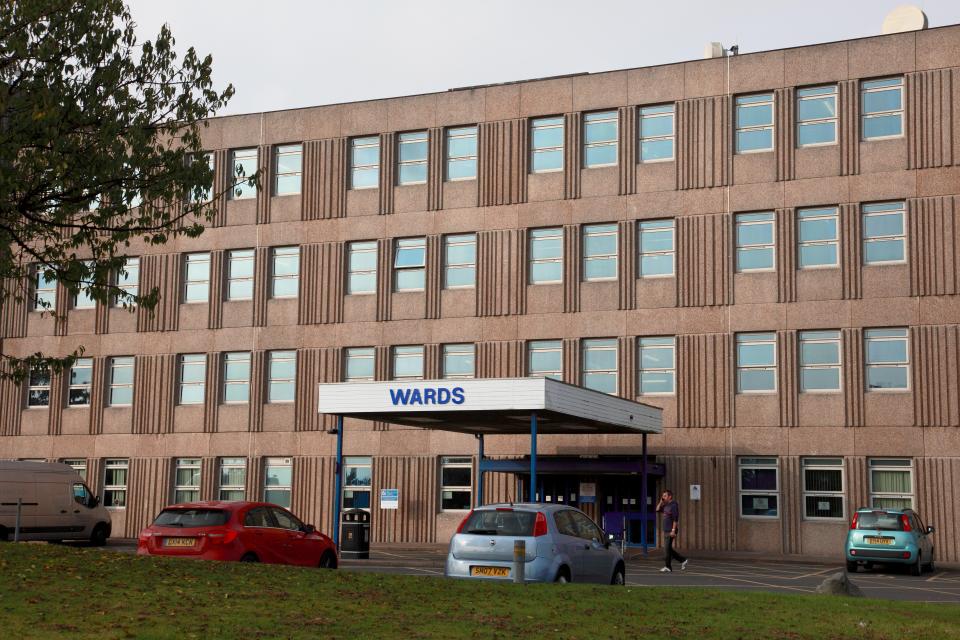
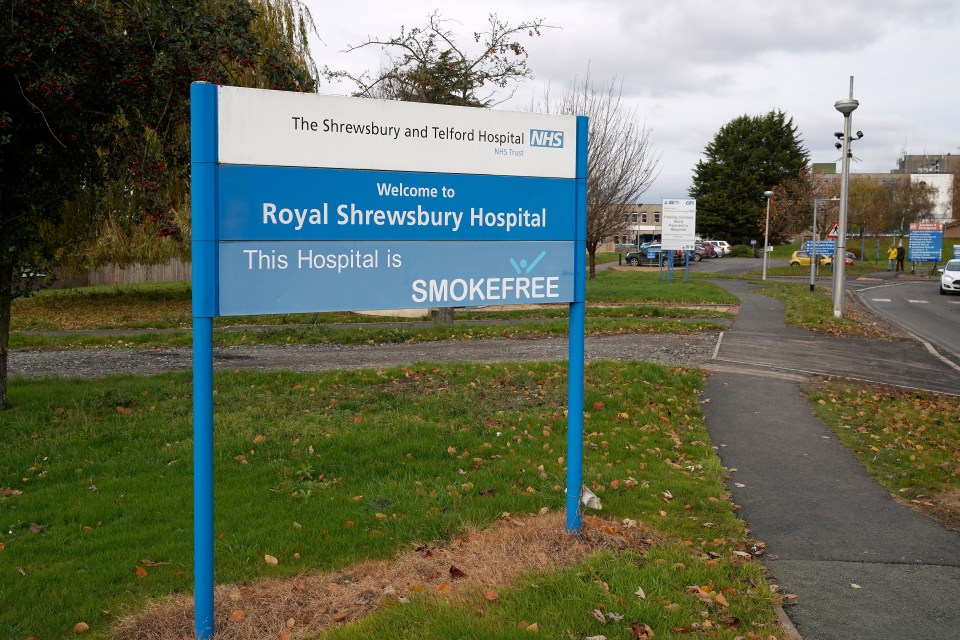
The Shrewsbury and Telford Hospital Trust – which announced it would be reintroducing mask mandates – said COVID-19 cases in its hospitals had seen a “recent increase”.
2
2
The trust operates the Royal Shrewsbury Hospital and Telford’s Princess Royal Hospital.
It said visitors and patients would be asked to wear masks once again in some areas of the hospitals – harking back to pandemic-era guidelines.
“We will be re-introducing face mask wearing in some areas of our hospitals from Wednesday October 8,” the trust wrote on its website.
Patients and visitors will be asked to don face masks at all times in the following areas:
- Emergency Department
- Same Day Emergency Care, Acute Medical Unit, Acute Medical Assessment area
- Surgical Assessment Unit
- Children’s Assessment Unit & Ward 19
- Ward 24 and Ward 17, Respiratory
- Ward 23 Oncology/Haematology, Chemo Day Centre, Lingen Davies, Haematology Clinics and Paediatric Oncology/Haematology
- Ward 35 Nephrology
- Neonatal unit
“Face masks will be provided in these areas, please ask a member of staff if you need one,” the Shrewsbury and Telford Hospital Trust added.
It said it was taking the precautions after receiving advice from NHS England.
Patients and visitors who “feel they are exempt” from mask rules were told to raise this with a member of staff.
The trust also asked people not to visit its hospitals if they are suffering from any infection, such as a cold, flu, sore throat, diarrhoea, vomiting or a chest infection.
“If you are feeling unwell, but have a hospital appointment, please contact the relevant department for advice on whether to attend or to postpone your appointment,” it added.
It comes after Brits were urged to wear masks and isolate if they test positive for Covid, as two new variants fuel a “worryingly” early surge in infections.
The UK Health Security Agency (UKHSA) revealed positive Covid tests had risen from 7.6 to 8.4 per cent in the space of just a week.
Meanwhile, hospital admissions increased from 2 to 2.73 per 100,000 people.
The XFG strain, dubbed Stratus, and the NB.1.8.1 strain, known as Nimbus, are now the most common Covid variants being passed around in the UK.
Who can get the COVID-19 vaccine?
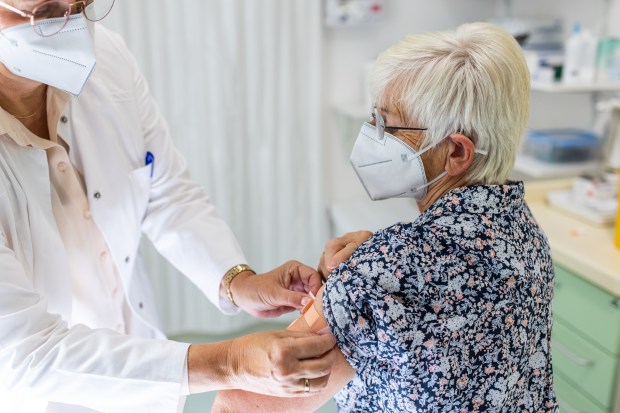
You can get the winter COVID-19 vaccine if you:
- are aged 75 or over (including those who will be 75 by 31 January 2026)
- are aged 6 months to 74 years and have a weakened immune system because of a health condition or treatment
- live in a care home for older adults
They are believed to be driving the increase in Covid cases.
Professor Lawrence Young, a virologist at Warwick University told the Daily Mail the increase in cases and hospitalisations had emerged “worrying so early in the autumn period”.
He put this down to children returning to school, colder temperatures causing people to spend more time indoors where there’s poorer ventilation, and waning protective immunity.
The two strains are believed to have slightly different characteristics than previous variants.
While they don’t appear to cause more severe illness, changes to their genetic material can make them more infectious.
This may be helping the virus dodge immunity created by previous infections or vaccination.
Symptoms include a headache, coughing and runny nose – broadly similar to the ones caused by previous Covid strains.
But reports indicate that people struck down with the new variants are suffering from a hoarse voice or “razor blade” sore throat.
One woman detailed her symptoms after testing positive for the virus earlier this month, and noted peculiar symptoms affecting her teeth.
In a TikTok video, Nev (@nivismad), from the US, said: “My teeth were hurting, my jaw was hurting, and my head hurt really bad.”
It’s no longer mandatory to isolate if you test positive for Covid, like it was during the pandemic.
But voluntary guidance recently published by the UKHSA urges people to do so.
Professor Young said: “Where this is not possible, it’s important to reduce mixing with people in confined spaces and wearing a face mask to reduce the spread of infection.”
What to do if you think you have Covid
If you have symptoms of a respiratory infection, such as COVID-19, and you have a high temperature or don’t feel well enough to go to work or carry out normal activities, you should avoid contact with vulnerable people and stay at home if possible, says the UKHSA.
For those who can’t stay at home, the following guidance will reduce the chance of passing an infection to others:
- Wear a well-fitting face covering made with multiple layers or a surgical face mask
- Avoid crowded places such as public transport, large social gatherings, or anywhere that is enclosed or poorly ventilated
- Take any exercise outdoors in places where you will not have close contact with other people
- Cover your mouth and nose when you cough or sneeze; wash your hands frequently with soap and water for 20 seconds or use hand sanitiser after coughing, sneezing and blowing your nose and before you eat or handle food; avoid touching your face
The best way to find out if you have Covid is to take a test, which are available to buy from pharmacies.